
Technology
Four layers decide how a robot performs on site: perception and decision on board, the digital twin in the cloud, the docking station, and building-system integration. All four are developed in house.
Embodied intelligence, digital twin, docking, integration
Four layers, one system
- 01
Perception and decision
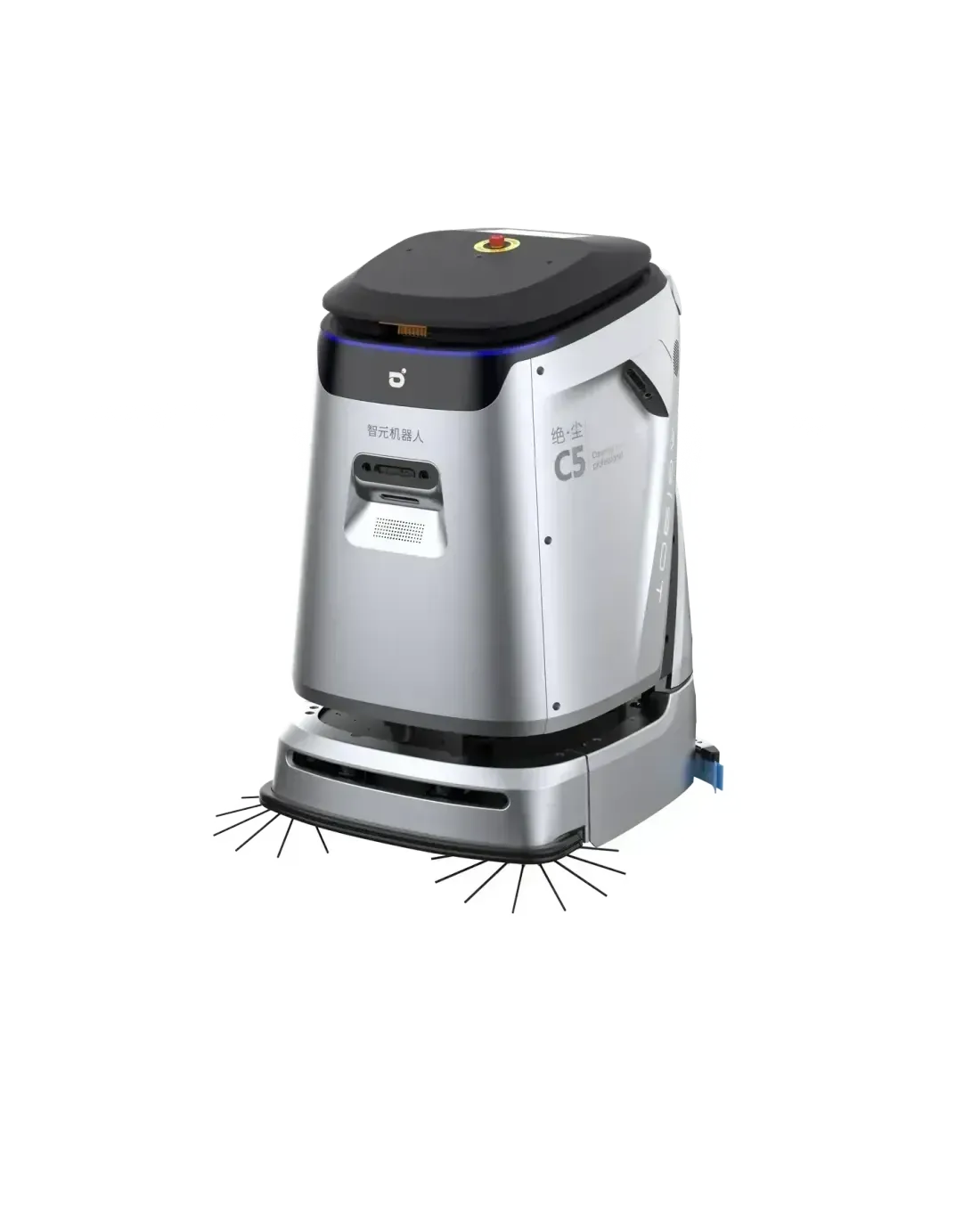
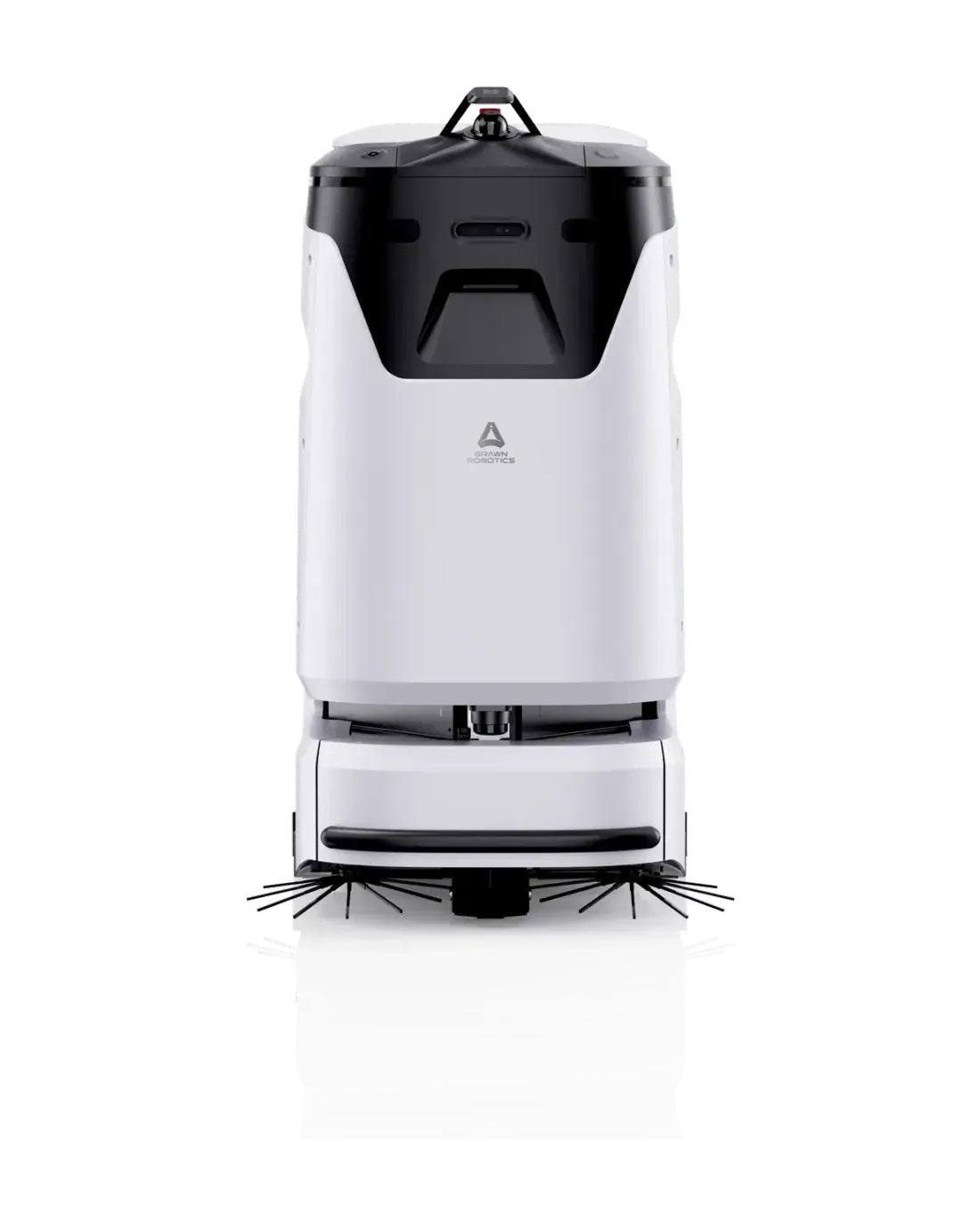
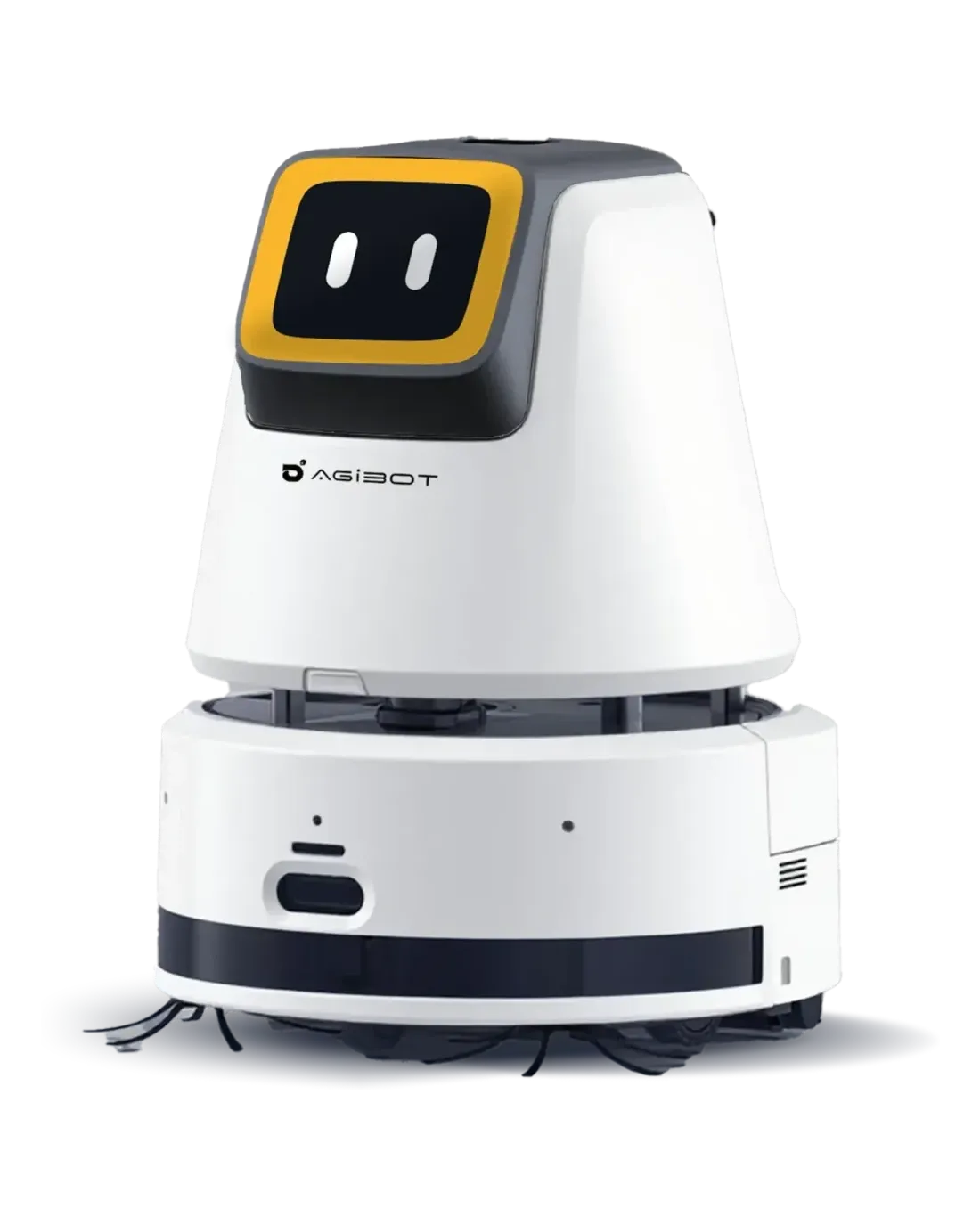
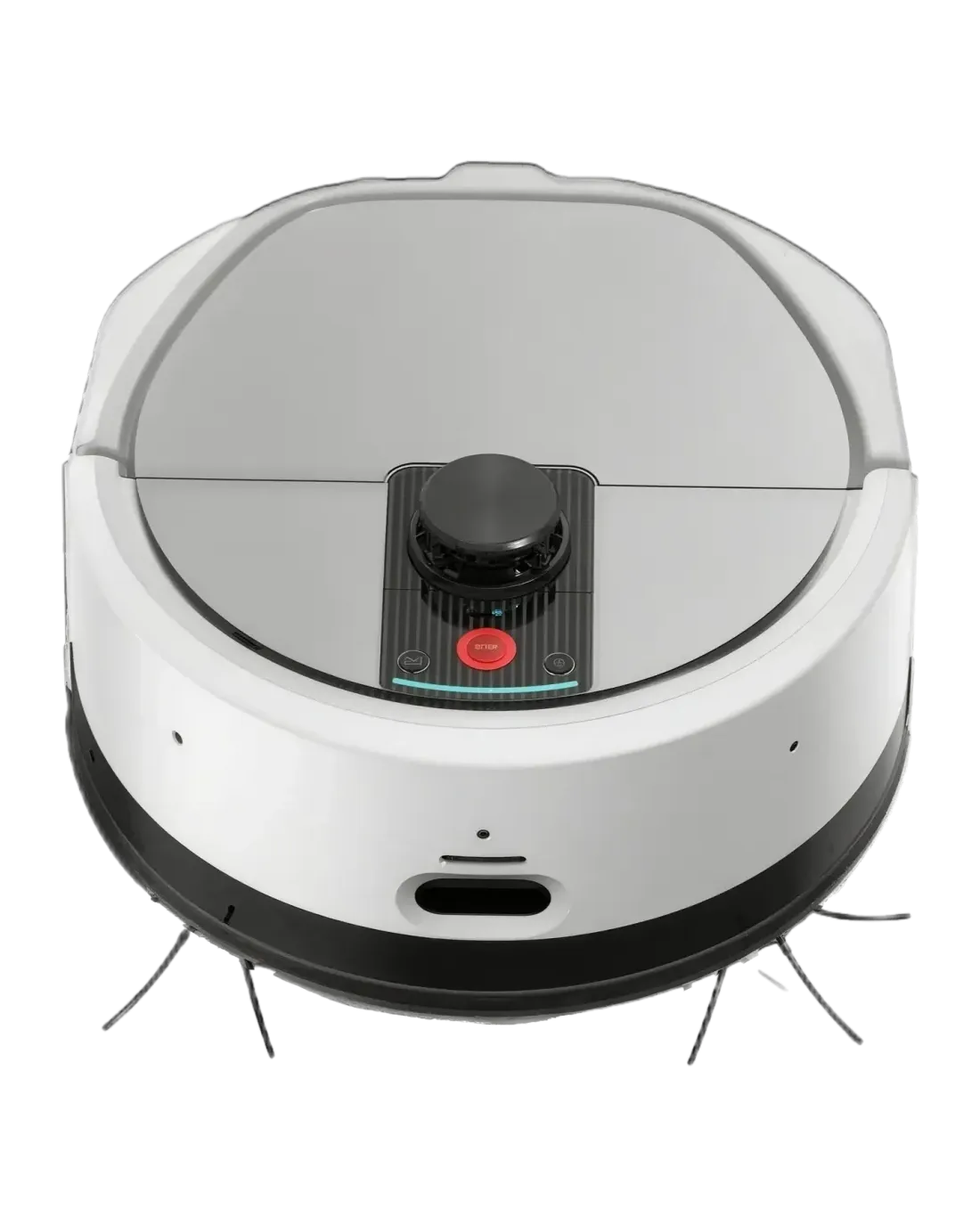
C5 uses a 2D LiDAR, four RGBD sensors and a fisheye camera; C2P adds line-laser and ultrasonic sensing for low or transparent obstacles. Recognition and local replanning run on board, so a blocked aisle becomes a detour rather than a stop.
- 02
Digital twin and cloud
Tasks, zones, coverage, exceptions and machine health are recorded. Cleaning performance becomes something you can check.
- 03
Docking infrastructure
The station handles charging, water fill and drain, and roller-brush cleaning. That is what lets a machine work through the night without an operator.
- 04
System integration
Lift, access control and building-management interfaces are specified per site, so the robot can move through the building.
- C5: CE / FCC / cTUVus / KC / RCM
- C2P: CB / CE; ISO 9001 quality system
- 48 patents, 37 of them invention patents
- 13 trademarks
- 5 service centres, 30+ countries