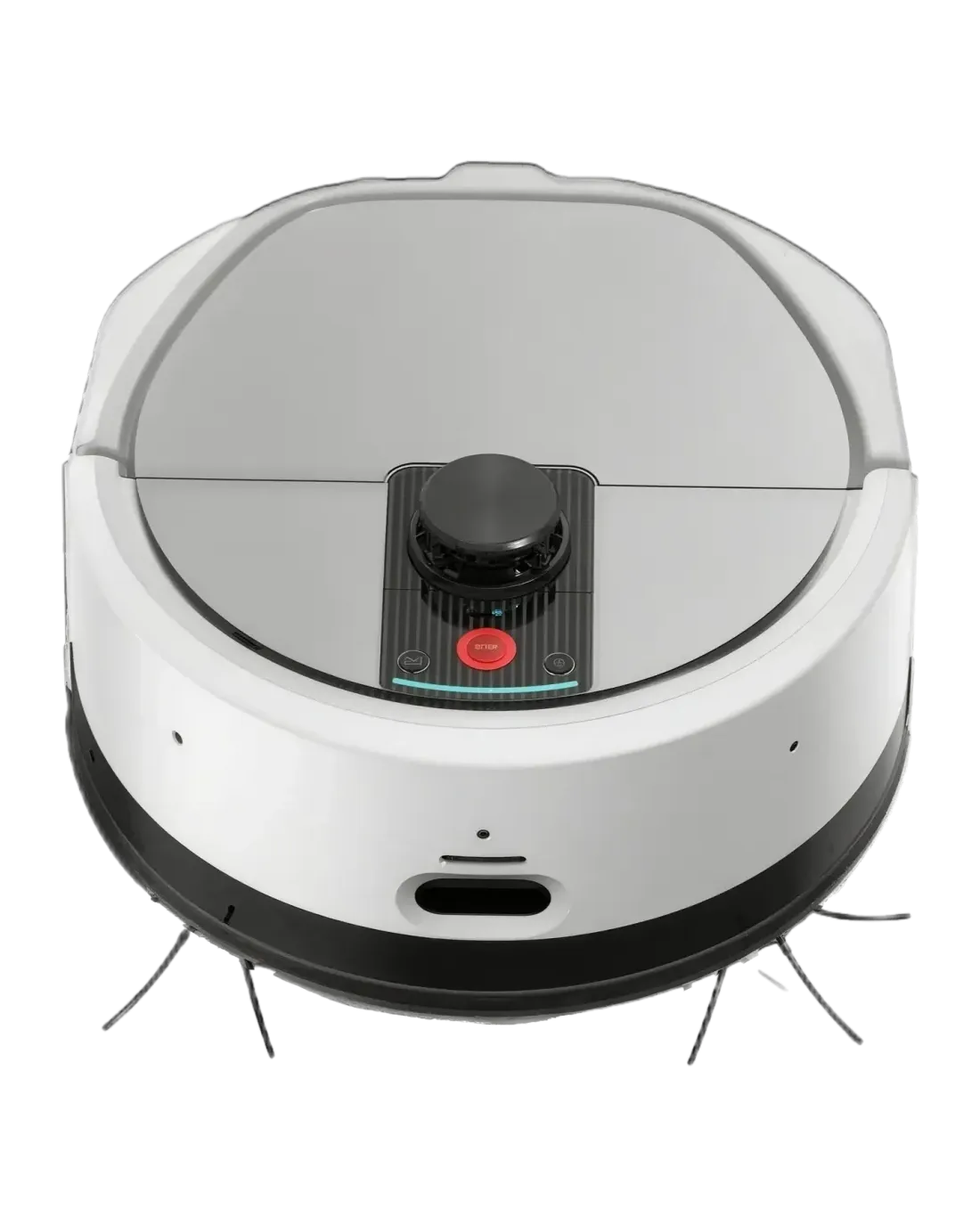
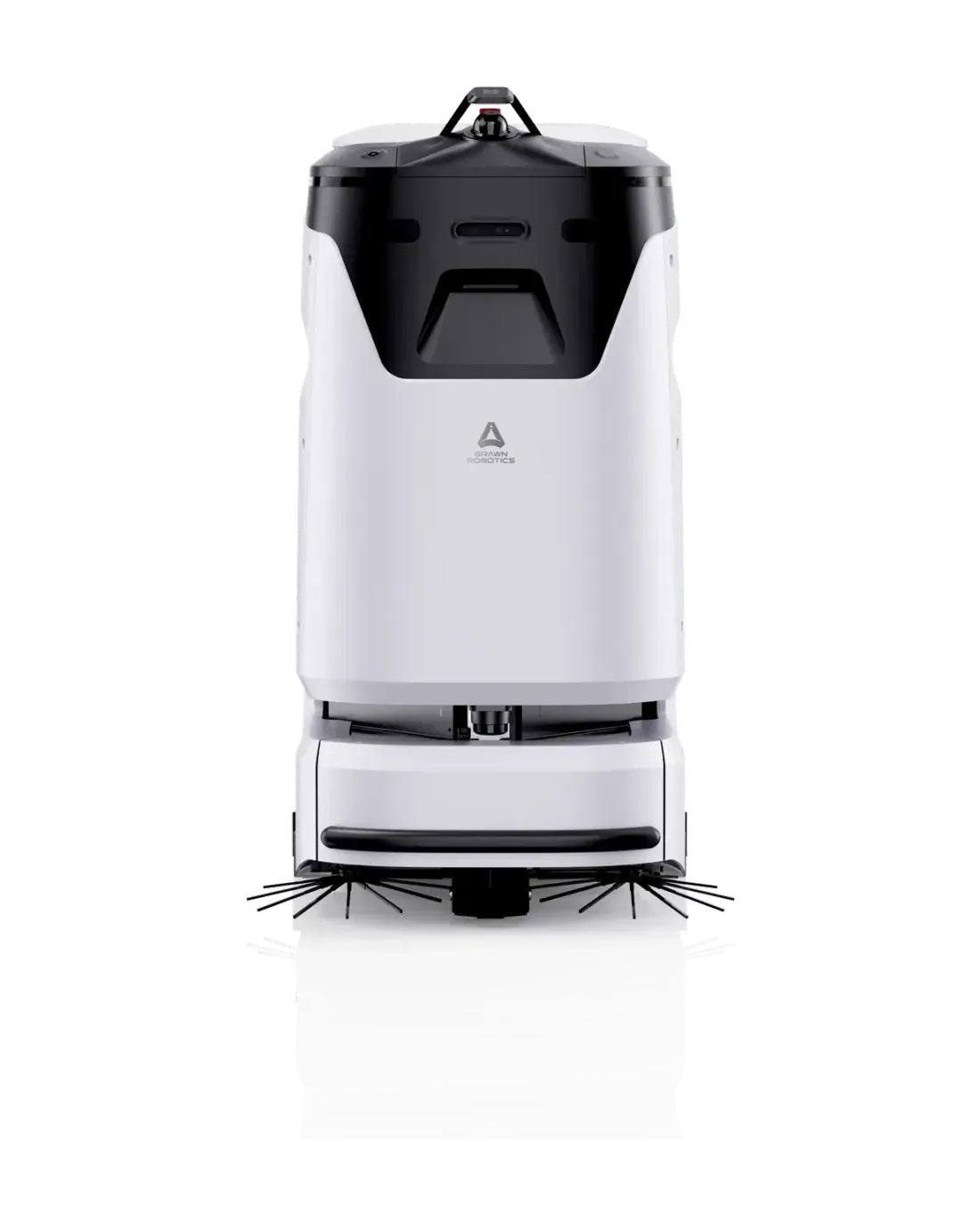
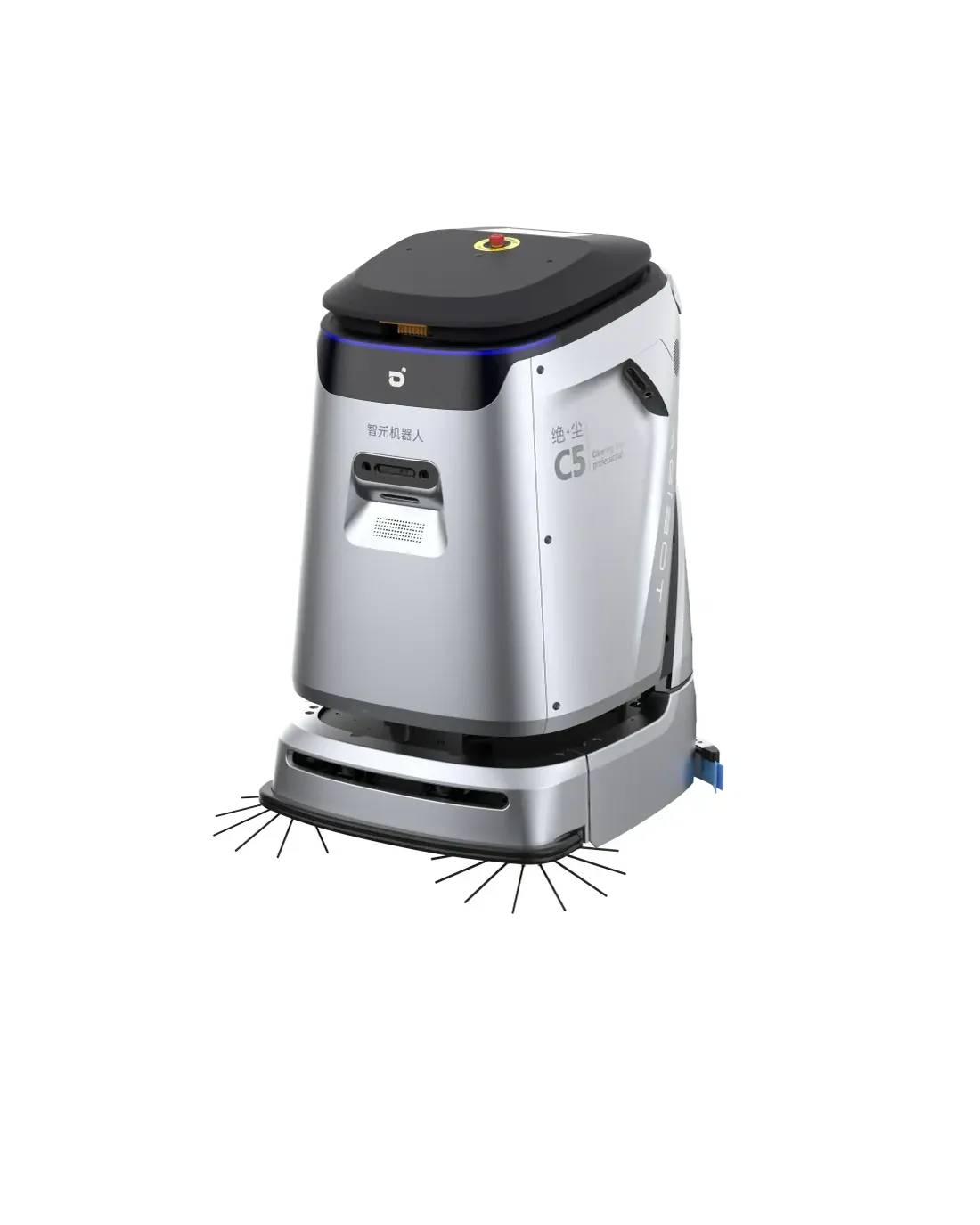
AGIBOT C2P Commercial Floor Scrubber Robot
AGIBOT C2P switches between four cleaning modes, detects short-pile carpet with RGBD vision and cleans at 60 dB(A) in quiet wet-mopping mode. A 4 L clean-water tank supports about 2 h of standard scrubbing within a 4 h battery runtime.
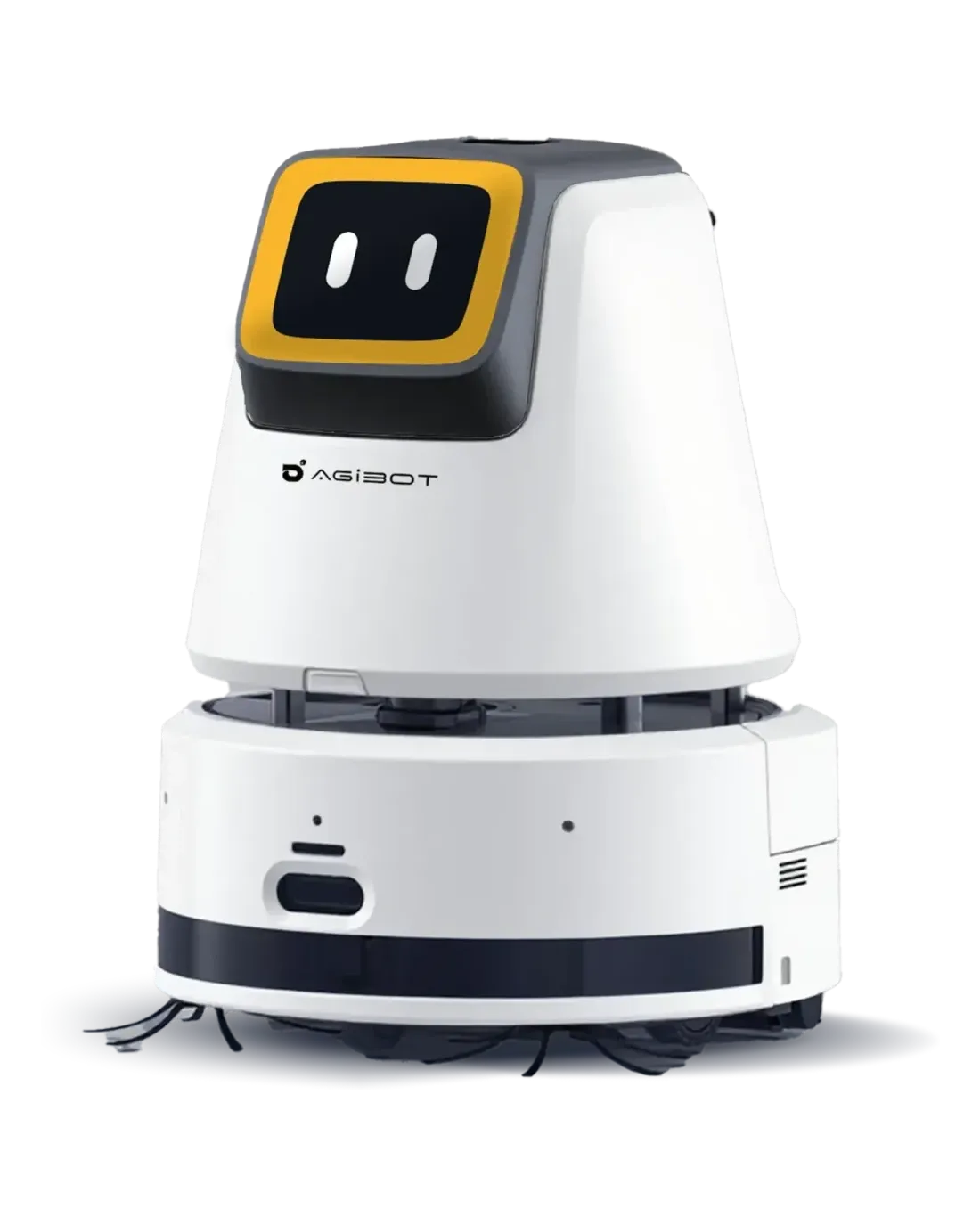
- 22.5 kgUnloaded weight
- ≤60 dB(A)Quiet wet mopping
- 4 h / 2 hBattery / clean-water runtime
C2PScrubber for small and mid-sized spaces
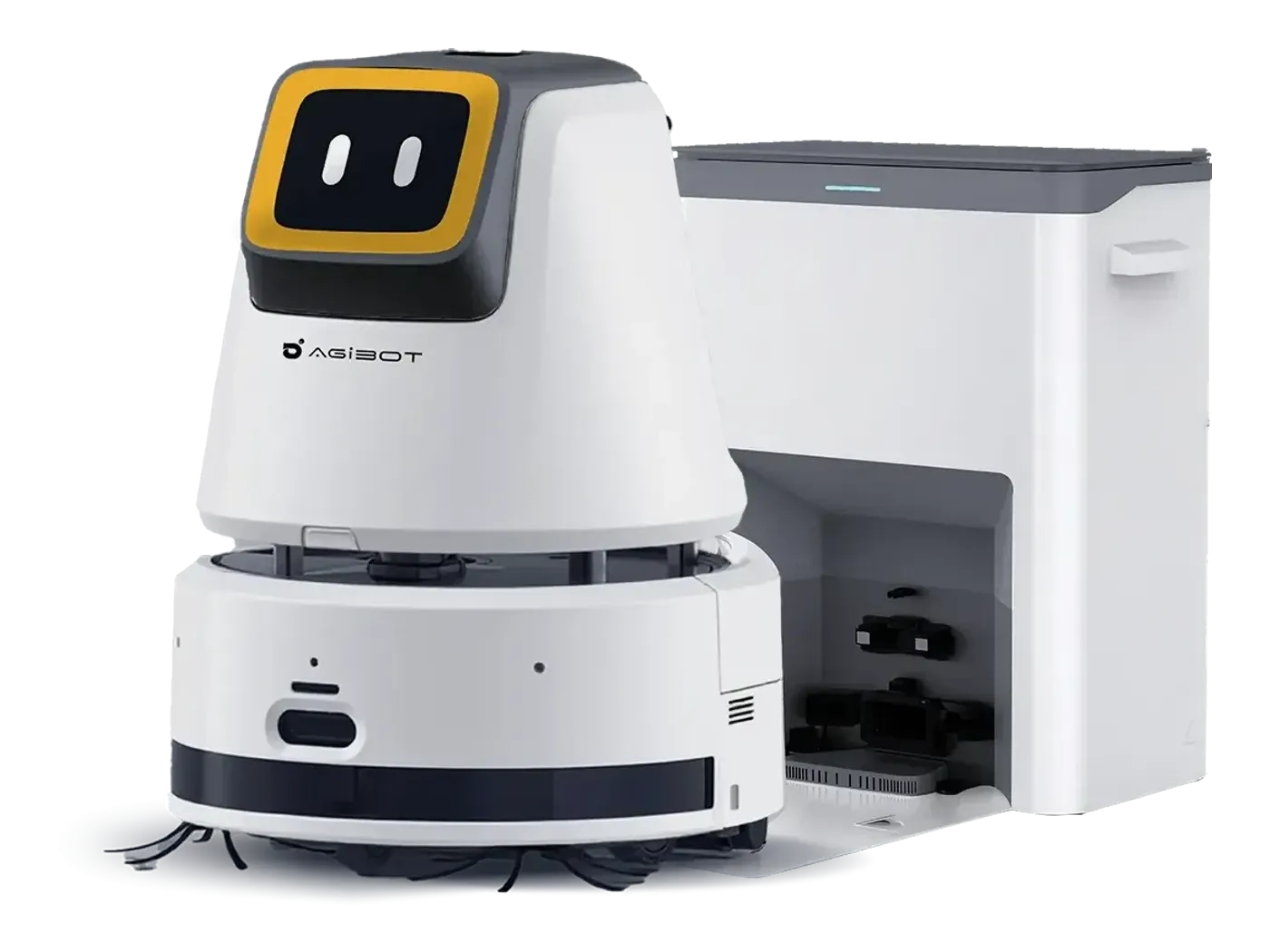
Book a demo Machine and docking station
C2P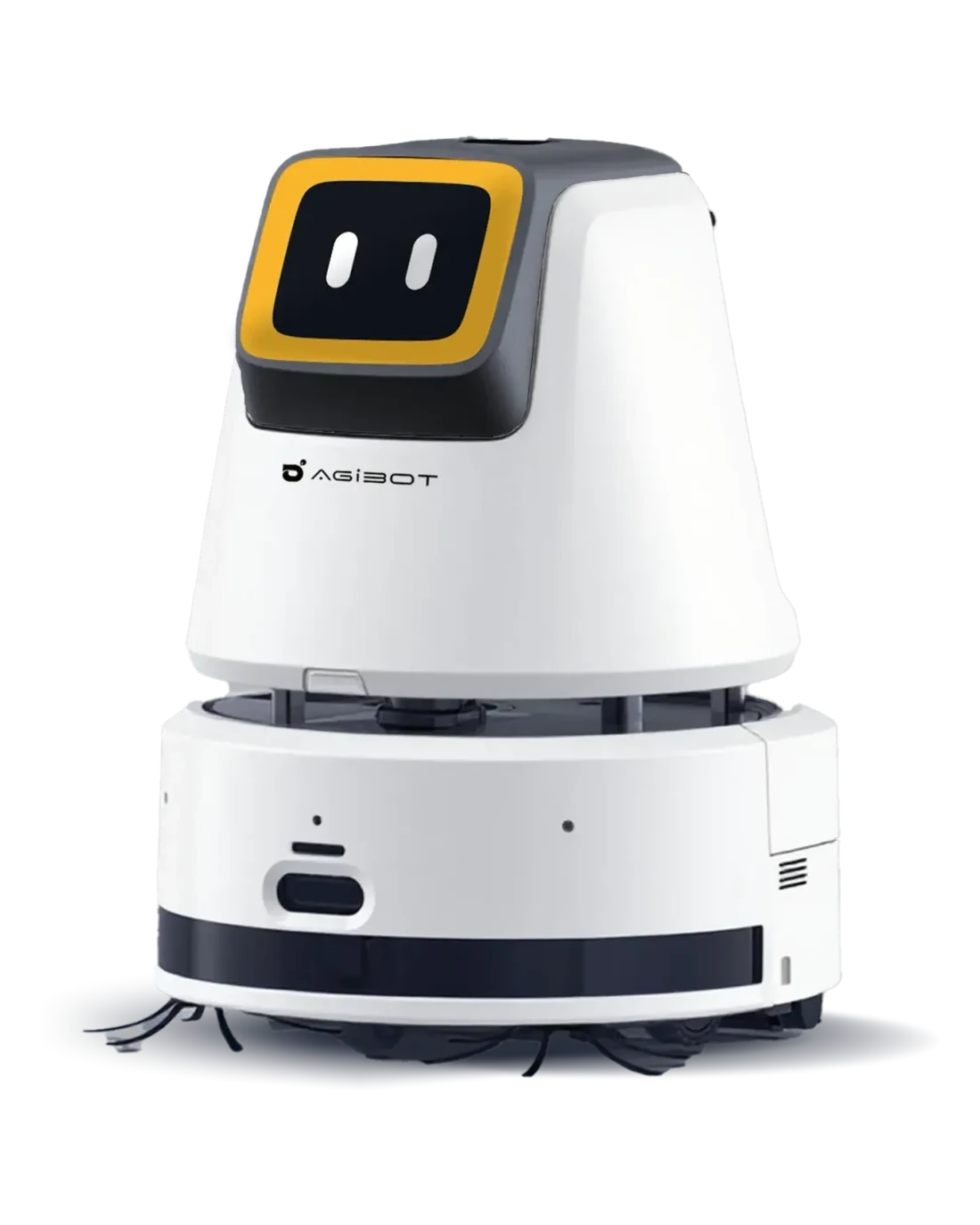
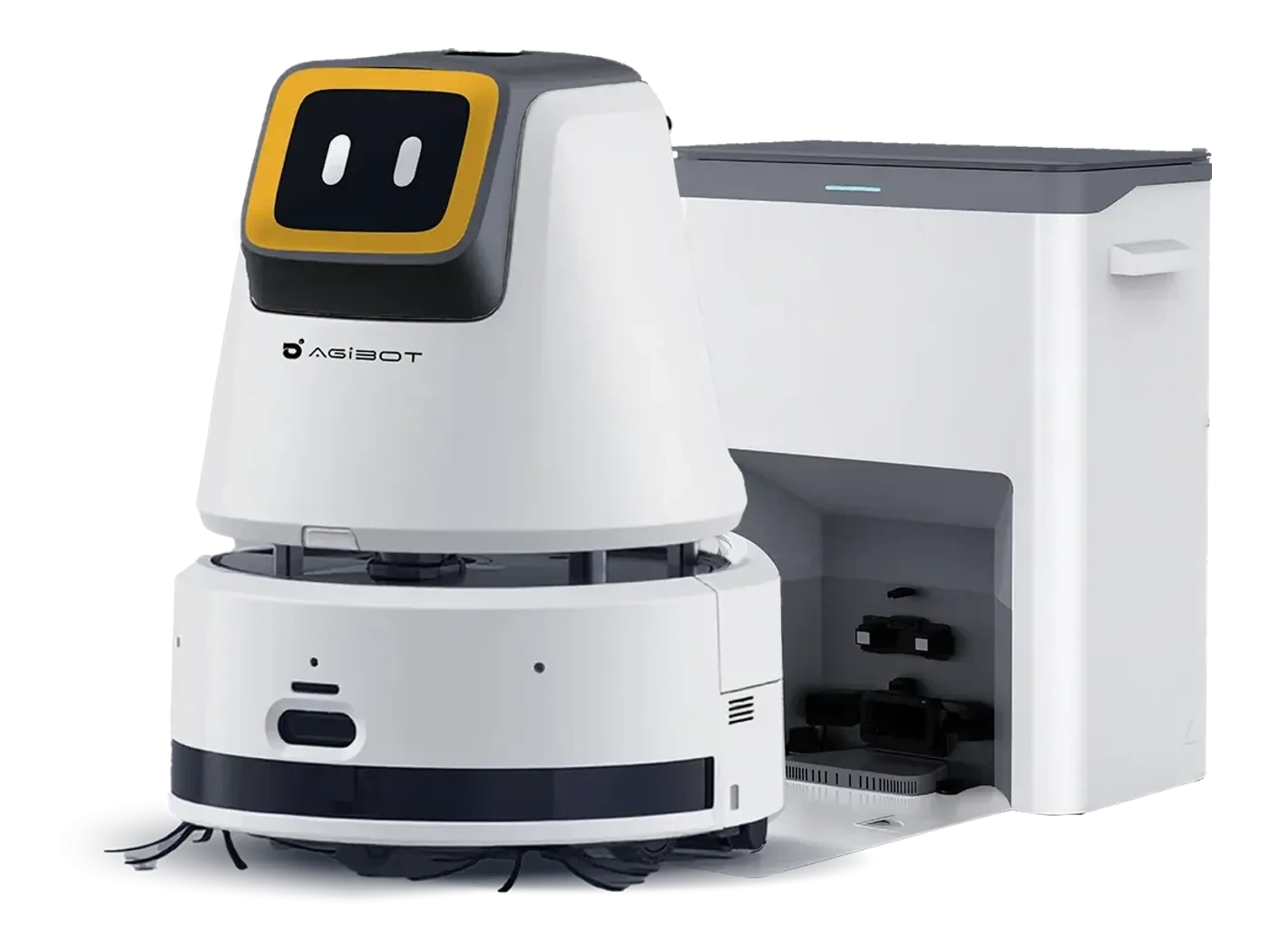
Four Cleaning Modes, Automatic or Task-Controlled
C2P covers sweeping, vacuuming, dust mopping and scrubbing. By default it selects the mode from the task, zone and floor type; a single mode can also be locked for a task.
Sweeping
Side brushes bring debris into the main cleaning path. With both side brushes, sweeping coverage is 510 mm.
Vacuuming
Lifts fine dust from hard floor and short-pile carpet. Carpet mode raises the roller and runs the fan in vacuum mode.
Dust Mopping
Uses a reusable roller cloth rather than a disposable dry pad. The cloth is washed about every three days and replaced about every three months.
Scrubbing
Effective scrubbing width is 370 mm. The 300–700 m²/h range covers the four modes; in straight standard scrubbing the nominal maximum is 700 m²/h.
Automatic and Manual Switching
Carpet recognition raises the roller and switches to vacuum automatically. A zone can also be marked as vacuum-only, or a single cleaning mode can be assigned to a task.
Task Combinations
One pass can combine sweeping, vacuuming and wet mopping. A true sweep-then-scrub sequence is created as two scheduled tasks.
- Cleaning efficiency range
- 300–700 m²/h
- Effective scrubbing width
- 370 mm
- Sweeping width
- 510 mm
- Obstacle clearance
- 25 mm
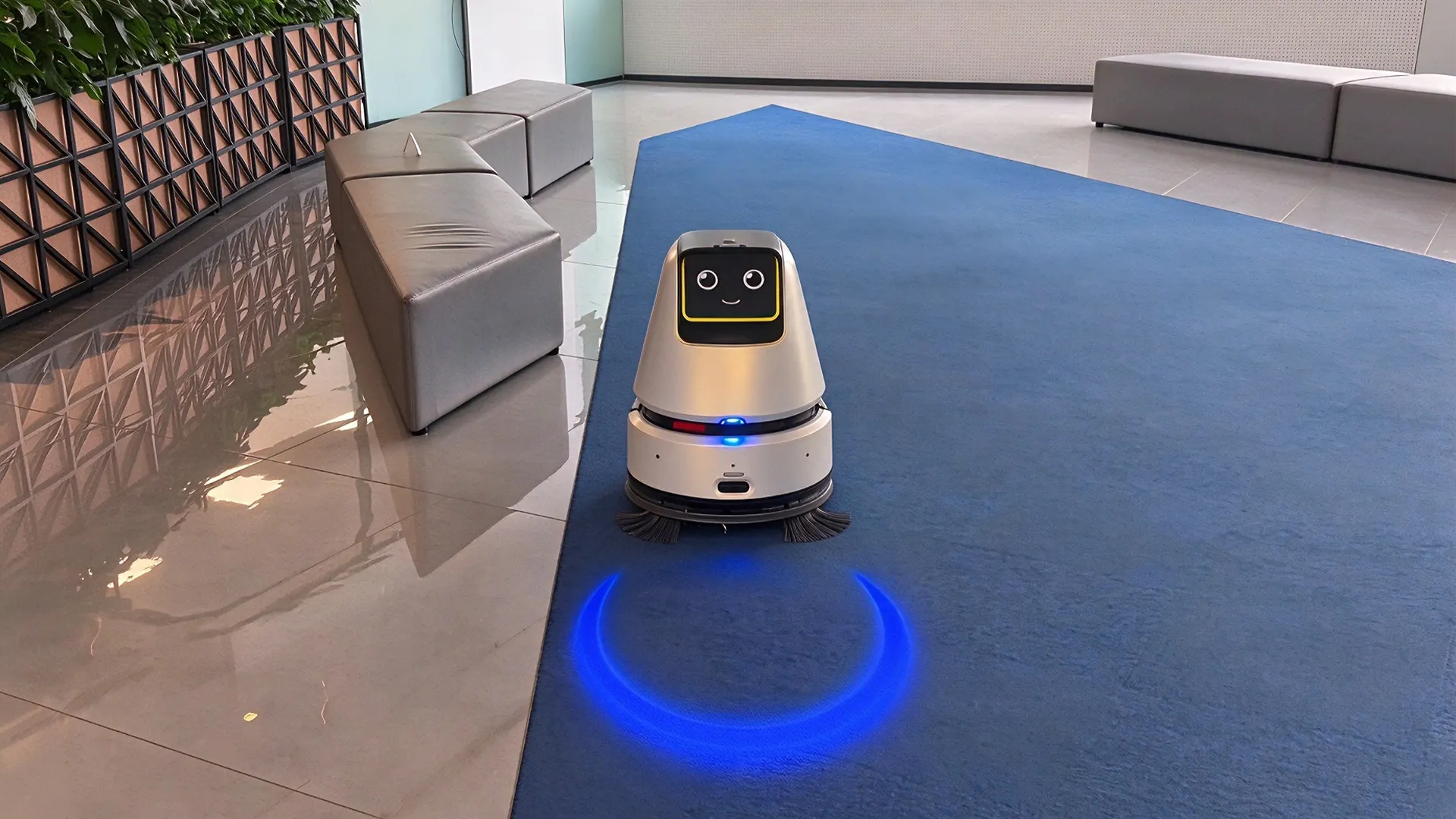
It Reads the Floor It Is Standing On
C2P uses RGBD vision to distinguish carpet from hard floor. The result changes the cleaning behaviour without stopping the task; long-pile carpet is outside the supported range.
Vision-Based Carpet Detection
Depth point clouds and image information classify the floor surface. Detection uses RGBD vision, not current, RPM or multispectral sensing.
Carpet Mode
On carpet, the roller lifts, water stops and the machine runs in vacuum mode. Fan output remains on the vacuum setting; it does not add a separate carpet boost level.
Supported Carpet Types
Short-pile carpet and carpet mats are supported. Long-pile carpet is not recommended because it can become tangled.
Smooth Transition
The roller lifts and lowers in the transition zone without stopping or slowing the robot. The same task continues from wet hard floor to dry carpet cleaning.
Manual Zone Control
Zones can be set to vacuum-only, mop or scrub modes. Marking a carpet area as vacuum-only is an additional safeguard where visual classification needs help.
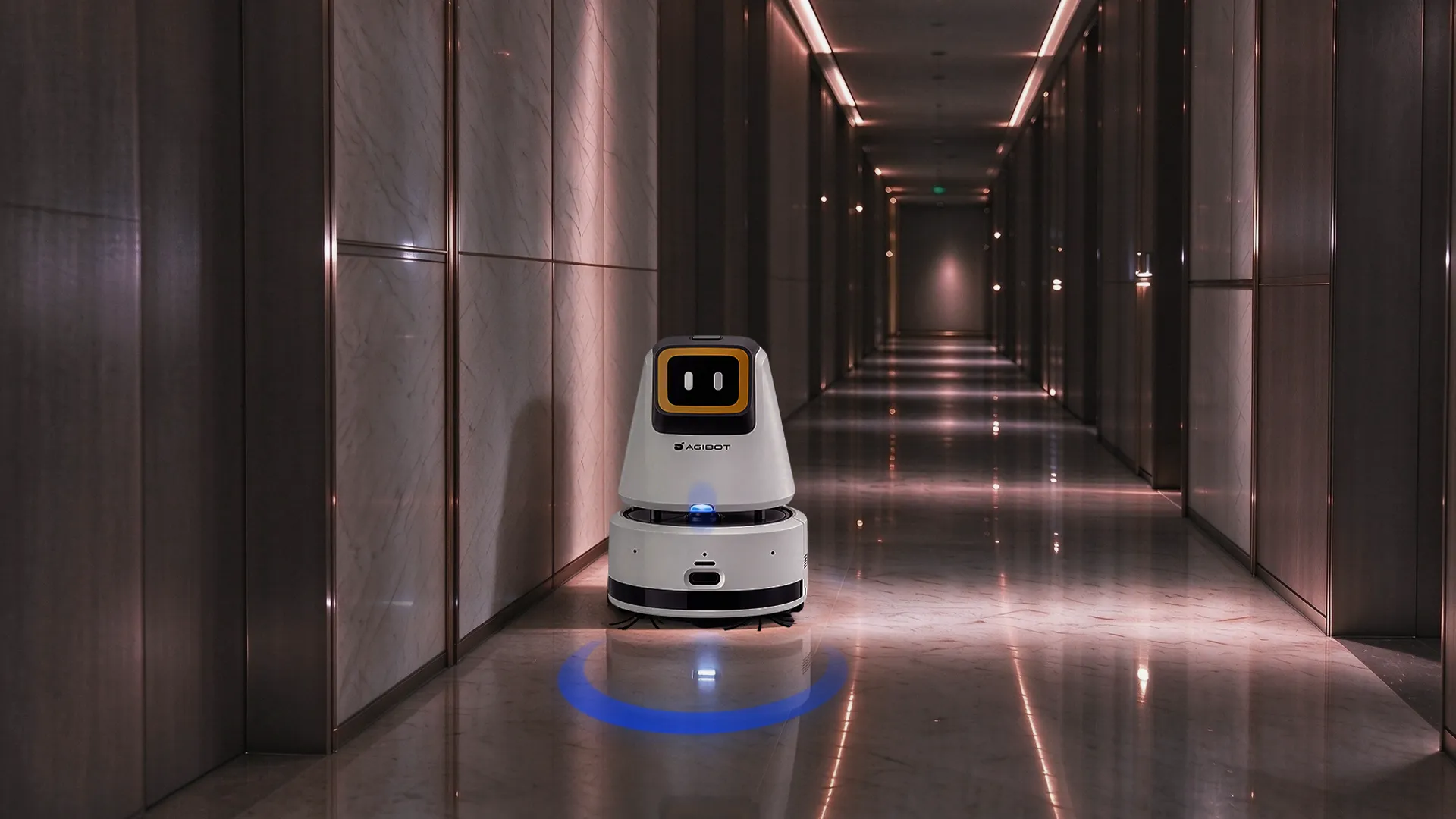
Quiet Modes With Defined Noise Limits
The headline noise figure belongs to quiet wet mopping, not to every cleaning mode. C2P states 60 dB(A) for quiet wet mopping and 65 dB(A) for standard mode; suction and higher-power modes are louder.
Quiet Wet Mopping: ≤60 dB(A)
Use this mode for guest floors, occupied offices and overnight corridors where low noise is the scheduling constraint.
Standard Mode: ≤65 dB(A)
Standard mode remains quieter than high-suction or heavy-cleaning work, but is louder than the quiet wet-mopping setting.
Higher-Power Modes
Suction and heavy-cleaning modes are not assigned a separate published dB value. Plan them outside noise-sensitive hours.
Speed Follows the Cleaning Profile
Quiet wet mopping does not have a fixed speed of its own; the machine uses the selected cleaning profile, ranging from 0.2 to 0.6 m/s. Fine and deep profiles run slower.
Deployment With or Without a Fixed Water Connection
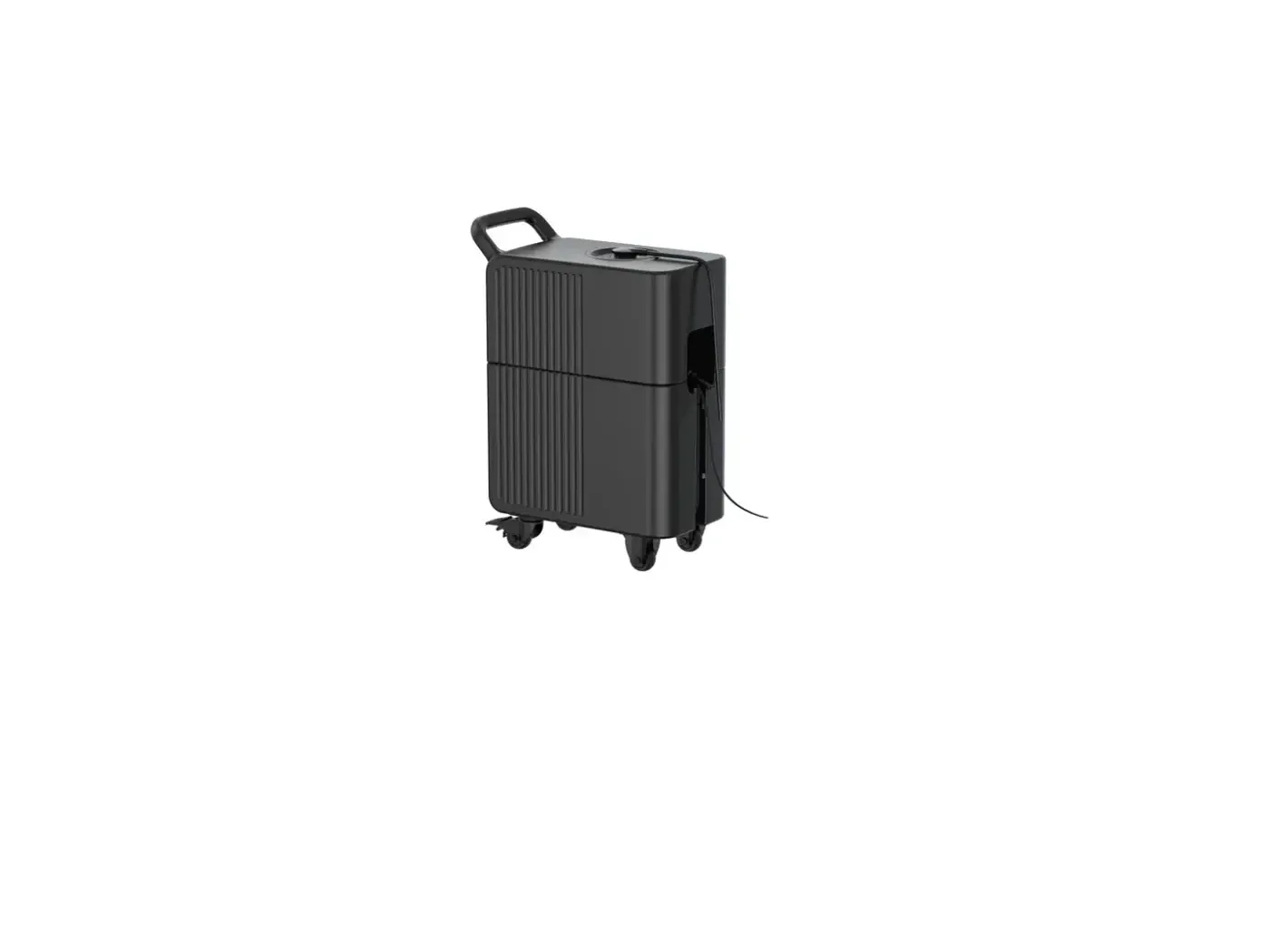
C2P is compact enough for existing buildings, but the station still has clear utility requirements. Where a fixed water point and drain are unavailable, the mobile water cart substitutes for plumbing but adds manual refill and emptying.
Fixed Station Requirements
A grounded 220 V~/50 Hz socket, water inlet at 0–0.7 MPa with the supplied pressure reducer and filter, a nearby floor drain and stable Wi-Fi. Leave about 2 × 1.5 m in front for docking.
Quick First Deployment
A standard site averages one day; multi-floor or more complex sites may need two to three days. Operators can map after training, while complex projects may include an engineer on site.
Mapping Coverage and Remote Editing
A single mapping run can cover about 15,000 m²; a normal single floor takes roughly 30–60 minutes. Zone drawing and point setup can be edited remotely once the robot is online.
Mobile Water Cart
The cart holds 30 L clean water and 40 L wastewater. The station can draw clean water from it and discharge wastewater into it, but refilling and emptying the cart remain manual; weekly service is typical for one to two shifts per day.
Compact Passage and Clearance
The body is 510 mm wide without side brushes, with 510 mm sweeping coverage. It needs 650 mm for a straight one-way passage, 700 mm for automatic turning, and clears 25 mm vertically without cleaning.
Recharge and Refill Cycle at the Station
C2P returns when the battery reaches about 20%, clean water runs out or wastewater is full. The station then handles water, optional dust collection and optional drying; the full cycle still requires the site to provide power, water and drainage.
- Return trigger
- Dock
- Water refill / drain
- Optional dust and drying
- Continue task
Return Triggers
Battery thresholds are configurable and factory-set around 20%. The robot also returns when clean water is exhausted or wastewater is full.
Refill and Drain Time
Docking takes about one minute, filling about four minutes and drainage about two to two-and-a-half minutes. Excluding charging, the water cycle takes roughly 8–10 minutes.
Battery and Water Constraints
The battery supports about 4 h and the 4 L clean-water tank about 2 h in standard scrubbing. The shorter constraint stops the run first; refilling water allows work to continue within the battery window.
Dust Collection and Drying
Automatic dust collection and mop drying are optional station functions. The station dustbin holds 10 L and is emptied manually; the robot body dustbin holds 1.1 L.
Manual Maintenance Still Required
Plan for weekly dustbin cleaning, monthly HEPA replacement and periodic cleaning of brushes, cloth and squeegee. Suction pipes and the squeegee are not automatically washed at the station.
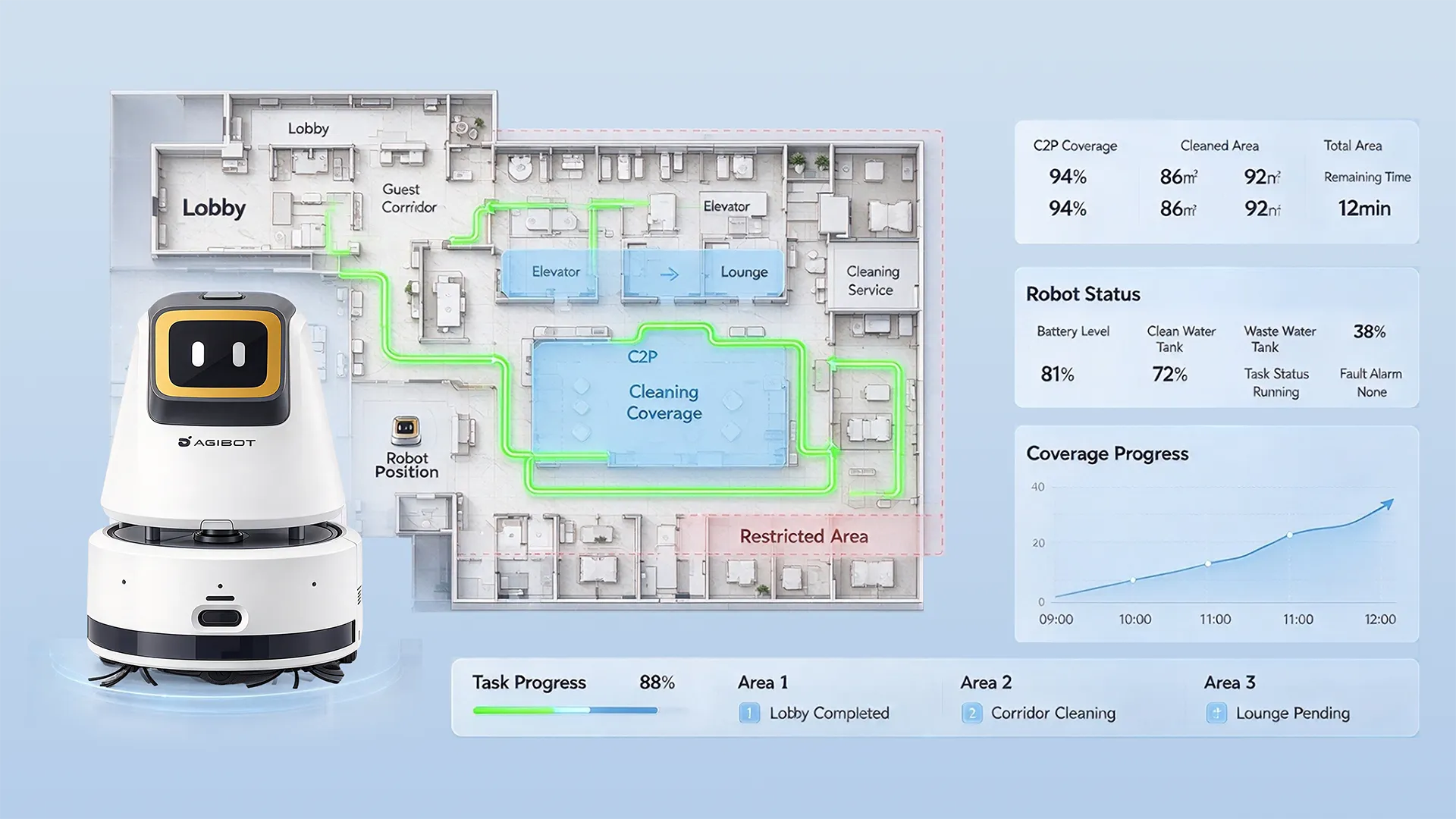
Managed From the Cloud, With Offline Task Execution
Robot Link separates cleaning-staff and operations roles. The cloud records tasks and reports, while maps and assigned tasks stay on the robot so cleaning can continue when the network is unavailable.
Robot Link App
The iOS and Android app covers live monitoring, remote control, scheduling, map editing and data reports according to the signed-in role.
Roles and Permissions
One organisation can manage multiple robots. Administrator, operations and cleaning-staff roles receive different devices and functions.
Schedules and No-Go Zones
Recurring tasks and time-based intensity changes are supported. Virtual walls, no-go zones and door or lift integration are configured separately for the site.
Task Reports
Reports include task and zone, planned and actual area, coverage, completion rate, water use, alarms, device information and the route trace.
Local or Private Deployment
Device and task data are held in the cloud by default; maps and tasks remain on the robot for offline work. A private/local deployment can be discussed as a project option.
Where C2P Works Best
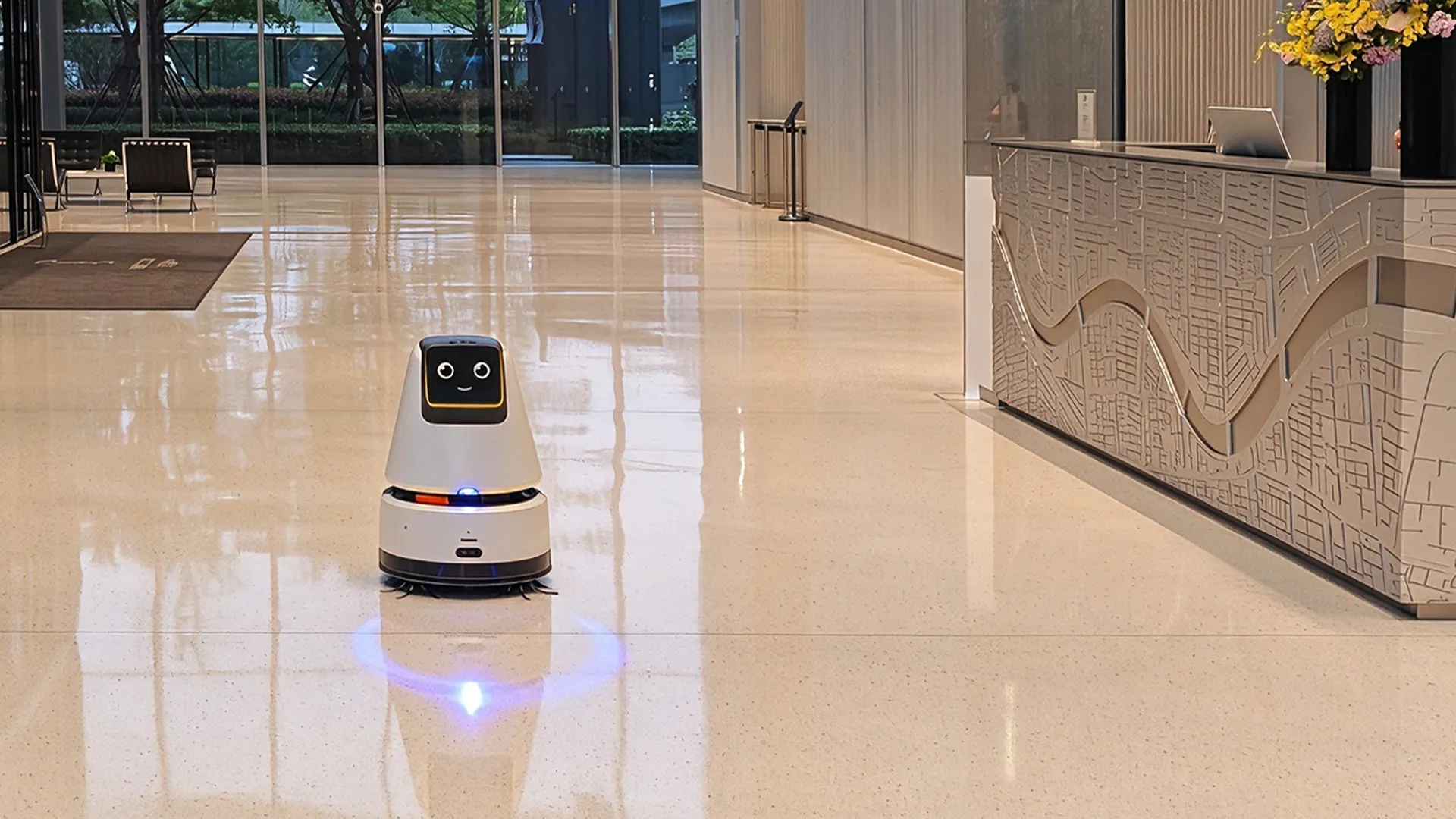
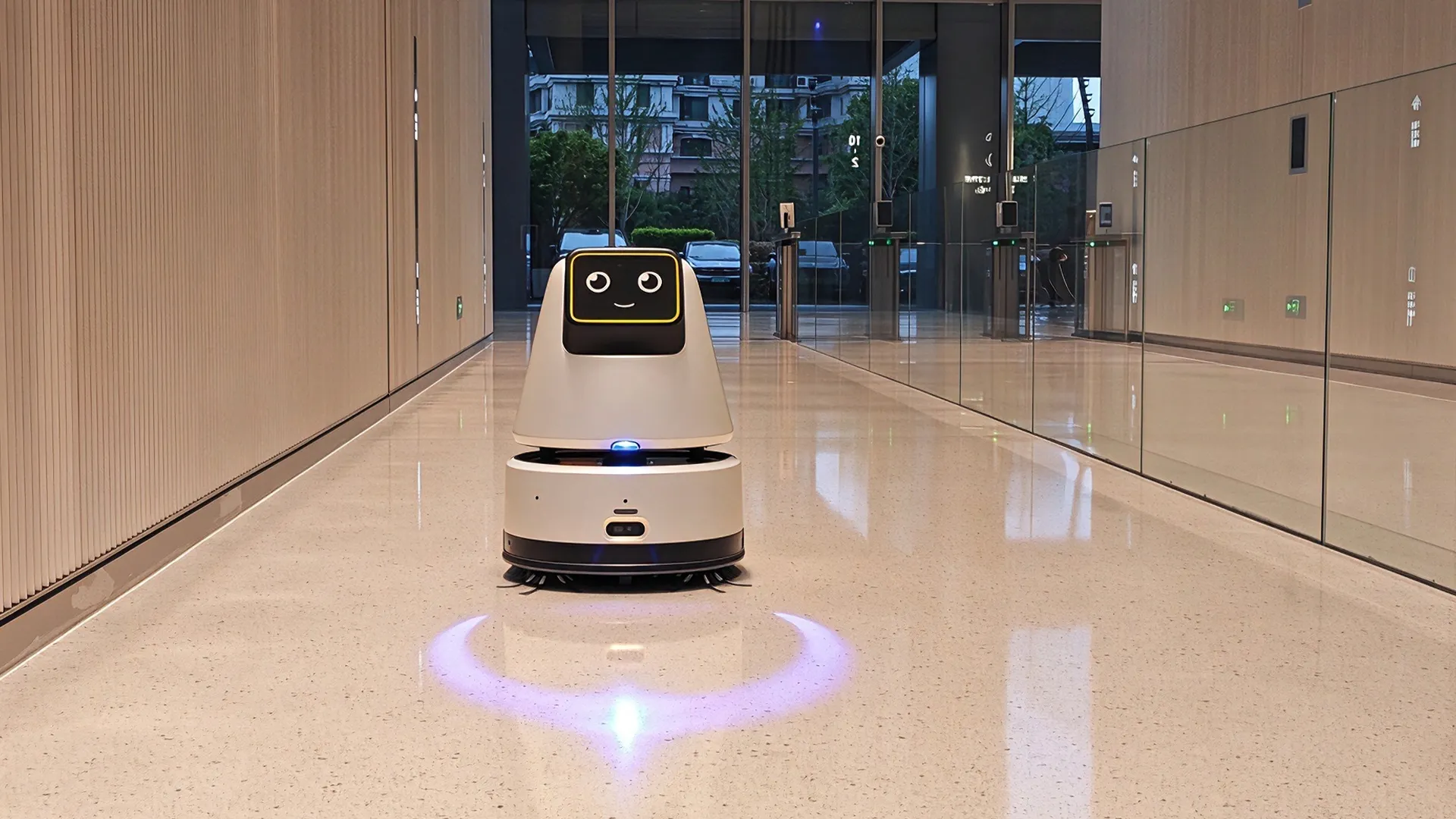
C2P suits buildings with a mix of carpet and hard floor, a cleaning window outside working hours, and no appetite for site works.
Offices and Corporate Floors
Carpeted workspace and tiled circulation areas on the same route.
Hotels and Hospitality
Guest corridors cleaned overnight without disturbing anyone.
Retail and Convenience Stores
Sales floors cleaned between trading hours, with a footprint that fits a back room.
Commercial Complexes
Unit-by-unit floors where the surface changes from one tenant to the next.
Compatible surfacesCarpet · Marble · PVC · Tile
AGIBOT C2P Technical Specifications
General specifications
- Dimensions (L × W × H)
- 520 × 510 × 680 mm
- Unloaded weight
- 22.5 kg
- Cleaning speed preferences
- 0.2–0.6 m/s
- Edge distance
- <50 mm physical distance
- Obstacle clearance (travel)
- 25 mm
- Gradeability (not cleaning)
- 8°
Cleaning specifications
- Effective scrubbing width
- 370 mm
- Sweeping width (incl. side brushes)
- 510 mm
- Cleaning efficiency (mode-dependent, max. 700)
- 300–700 m²/h
- Cleaning modes
- Sweeping · vacuuming · dust mopping · scrubbing
- Mode switching
- Automatic by default; manual lock by task or zone
- Carpet detection
- RGBD vision; short-pile carpet and mats only
Battery and runtime
- Clean water tank
- 4 L
- Wastewater tank
- 3.5 L
- Body dustbin
- 1.1 L
- Battery capacity
- 22.4 V · 23 Ah · 380.8 Wh · LiFePO4
- Charging time
- 2 h (15–100%)
- Battery runtime
- 4 h
- Clean-water runtime
- About 2 h in standard scrubbing
Workstation and deployment
- Noise level (quiet wet mopping)
- ≤60 dB(A)
- Noise level (standard mode)
- ≤65 dB(A)
- Station wastewater tank
- 5 L
- Station water supply
- Direct mains water or mobile water cart; no separate clean-water tank
- Station utilities
- 220 V~/50 Hz; water 0–0.7 MPa; drain nearby; Wi-Fi coverage
- Automatic dust collection
- Optional; 10 L station dustbin
- Mop drying
- Optional
- Mobile water cart
- 30 L clean / 40 L wastewater; manual refill and emptying
Navigation and connectivity
- Navigation technology
- LiDAR and visual fusion
- LiDAR
- 1 × 2D, 360°, 30 m range
- Vision and proximity sensors
- RGBD, line laser, ultrasonic, collision and cliff sensors
- Mapping coverage
- About 15,000 m²
- Cloud management
- Remote tasks and reporting
- Offline operation
- Maps and assigned tasks run on board; lift and door integration need the network
Figures are stated for the conditions under test and vary with floor, soiling and configuration.
Before you choose
Four points that matter more than the headline figure, each linked to the answer behind it.
The width includes the side brushes
520 mm is the machine length. The body is 510 mm wide without side brushes, and sweeping coverage is 510 mm. For a doorway, compare the clear opening against the body width, not the length.
Obstacle clearance has a state
The 25 mm figure is the vertical clearance in travel state; the machine does not clean while crossing. Thresholds above that need a ramp, not a workaround.
Electric runtime and water runtime differ
4 h is the electric runtime; with a full 4 L clean-water tank the machine works for 2 h in standard scrubbing mode. The shorter one sets the shift.
Dust handling happens at the station
Automatic dust collection and mop drying are optional station functions. The station dustbin holds 10 L and is emptied manually; the robot body dustbin holds 1.1 L. Confirm the option and the maintenance routine before relying on either feature.
Service and Support
Support starts with the station and water strategy, then covers deployment, operator training, remote diagnosis and after-sales response.
Station and water planning
We check the carpet-to-hard-floor mix, cleaning window, station utilities and whether a mobile water cart is needed.
Deployment and training
A standard site is commonly commissioned in one day. Operators can map after training, and zone drawing can be supported remotely.
Remote support and OTA
Remote technical support covers genuine product faults. OTA updates are free, typically every two to three months, and require a stable network.
Response, loan units and spares
KA response is targeted at 0.5 h and standard response at 1 h; safety or property-damage cases receive a solution within 2 h. A loan unit is provided when the fault cannot be repaired on site.
Other models in the line