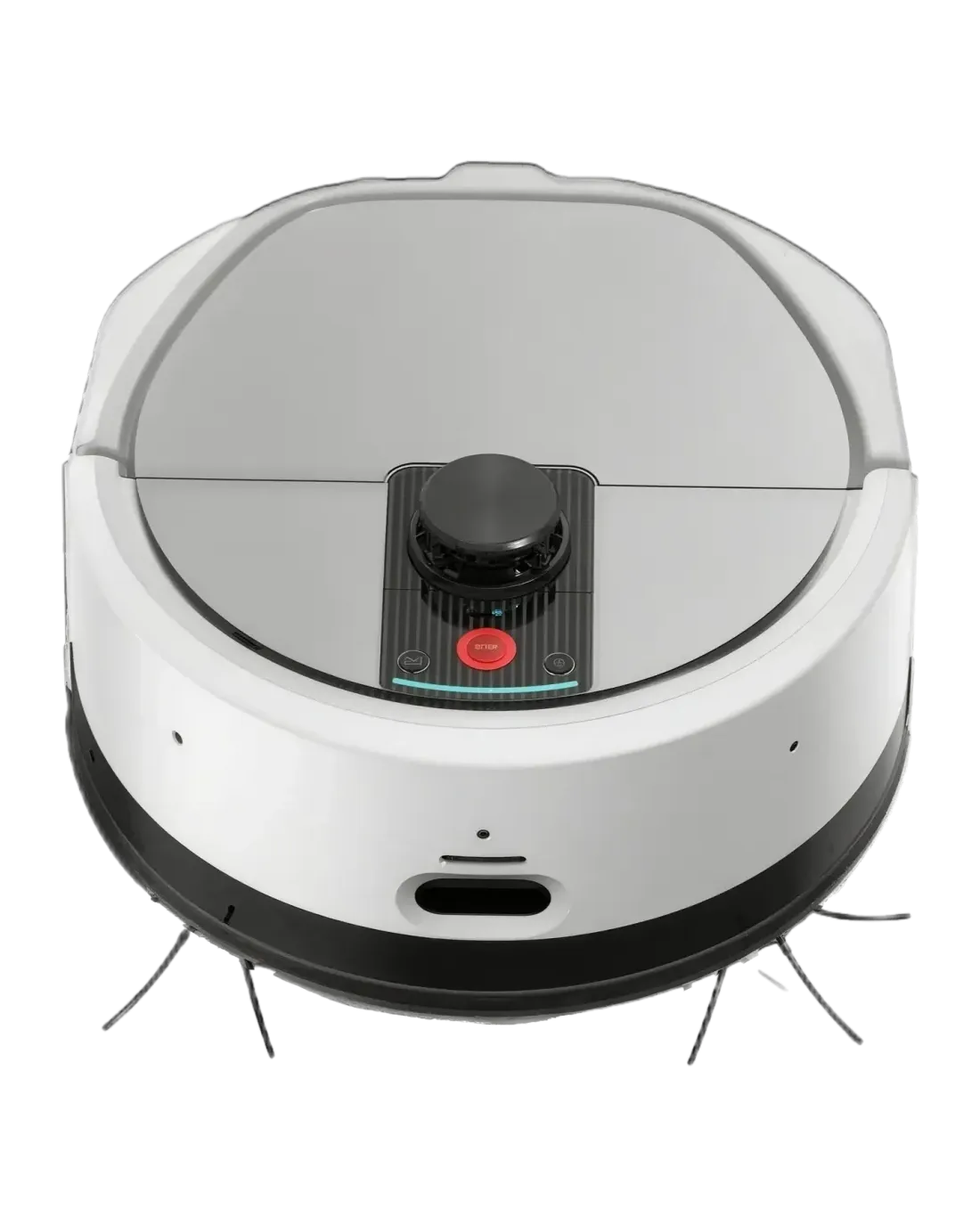
Area versus workload
Large floor areas lead to a high cleaning workload, and cleaning processes lack effective monitoring.
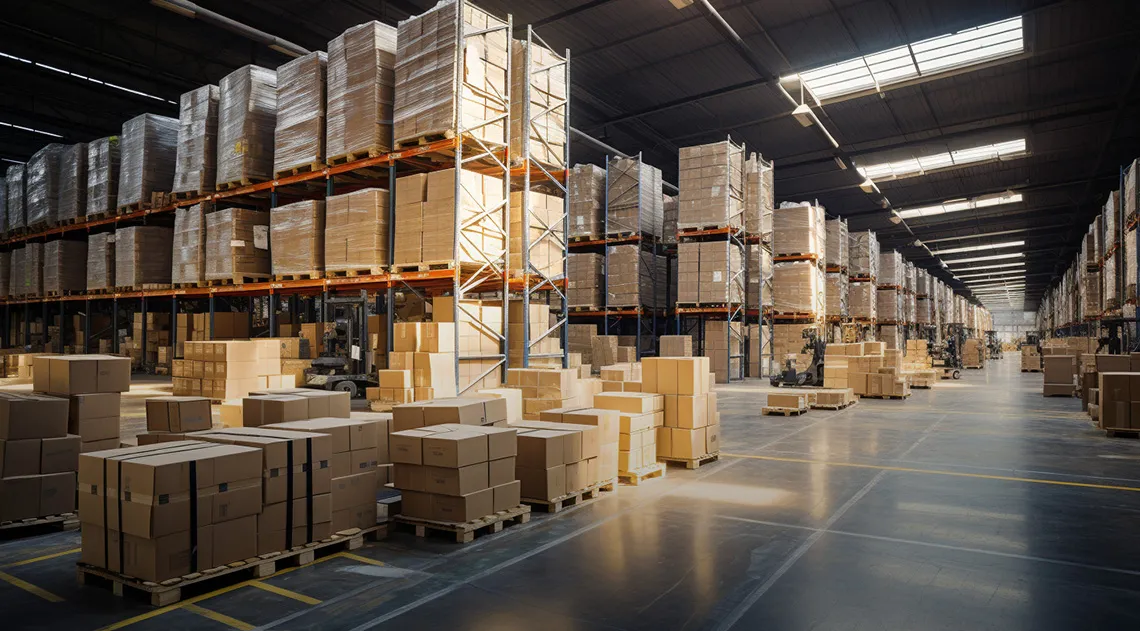
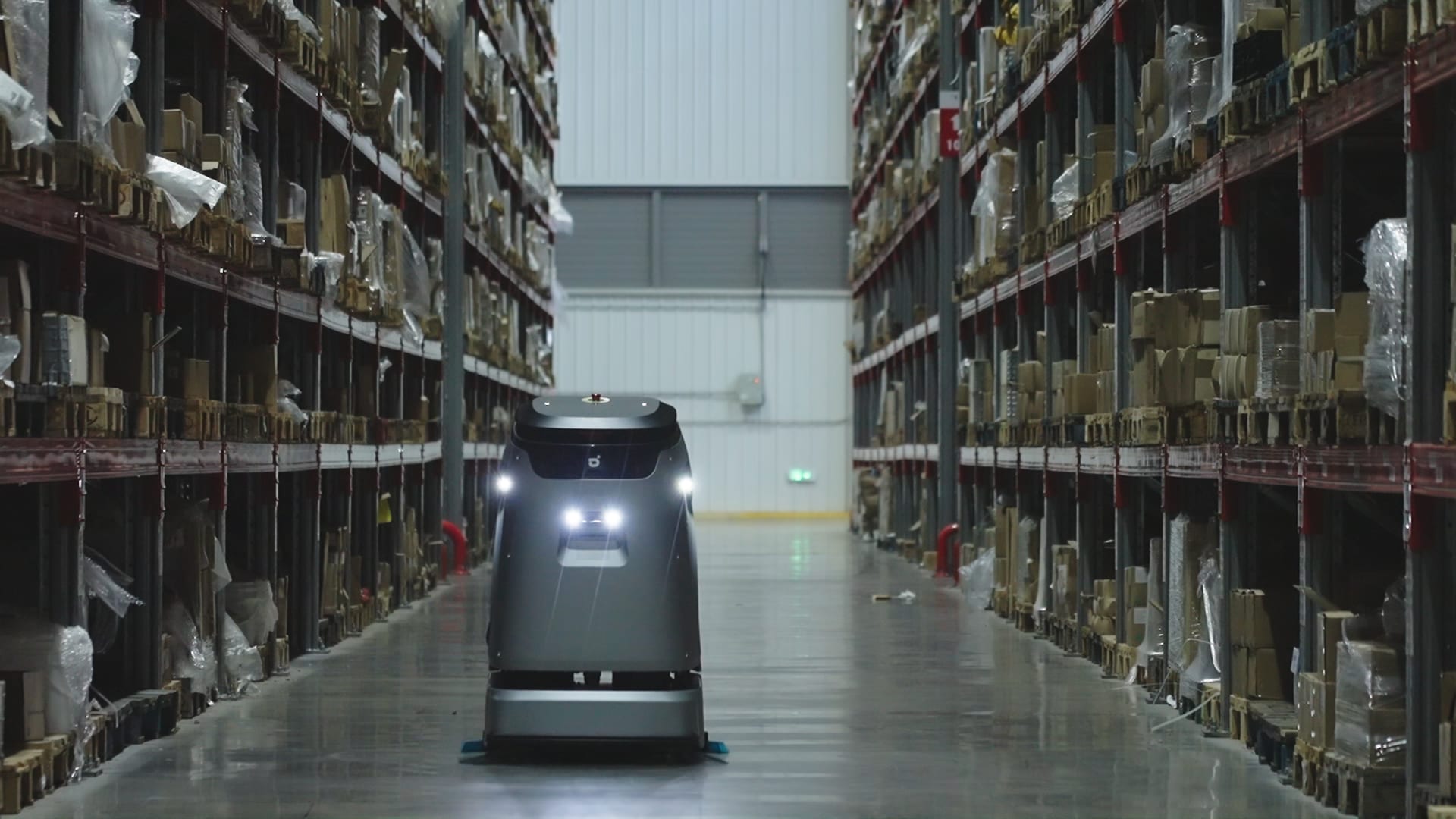
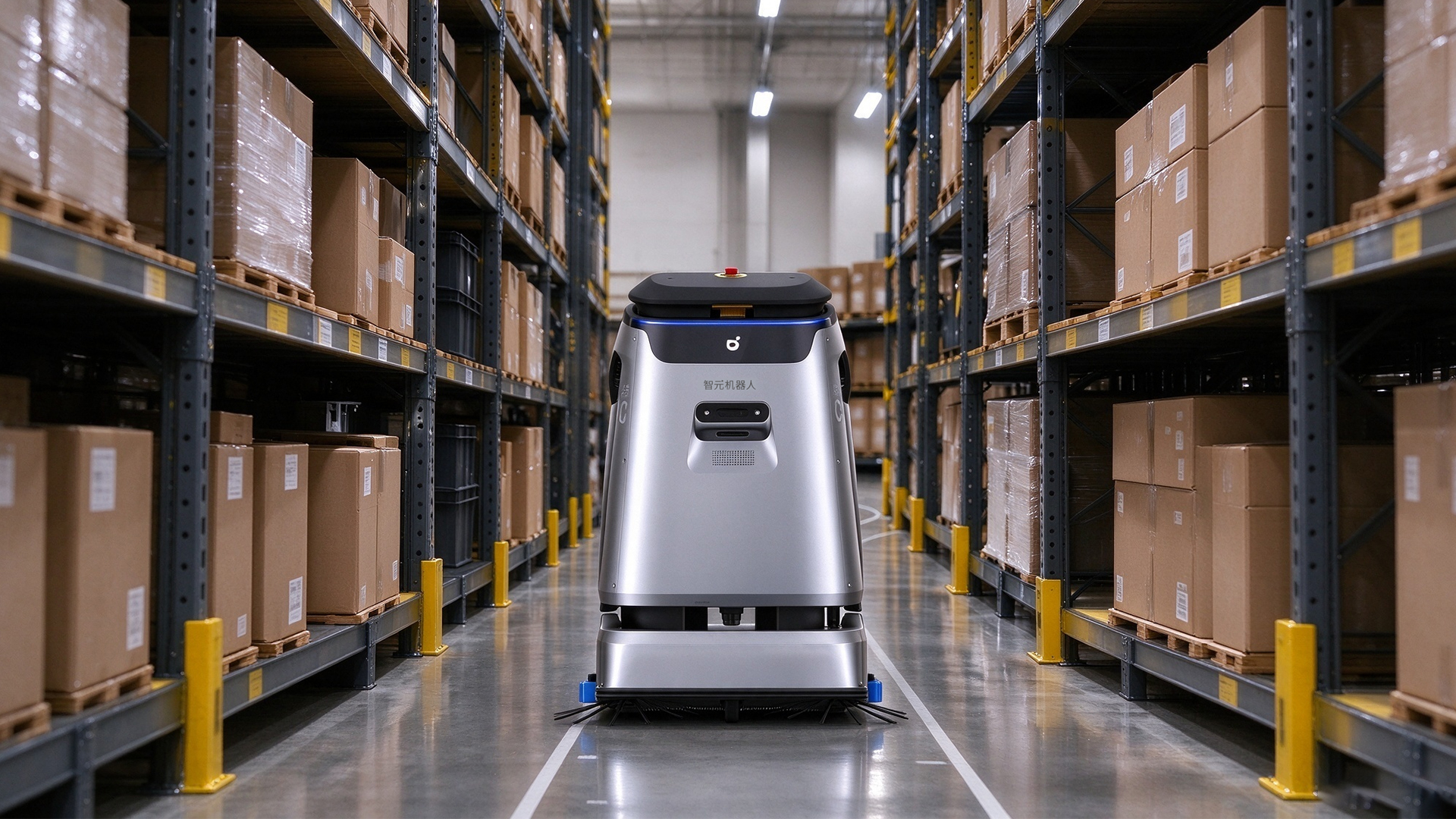
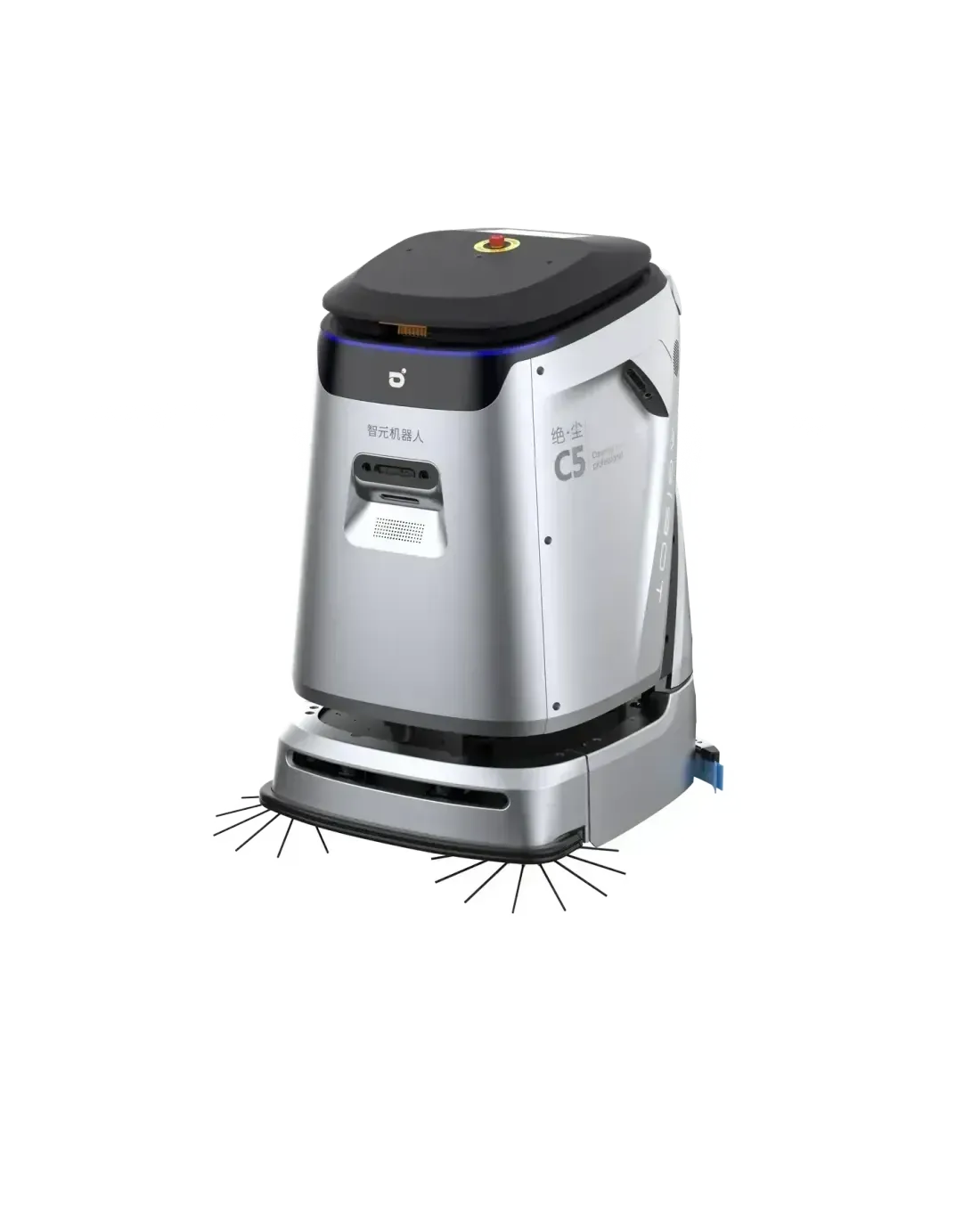
Warehouses carry both fine dust and solid debris across very large floors. C5 works continuously and covers up to 8,000 m² a day from a single station.
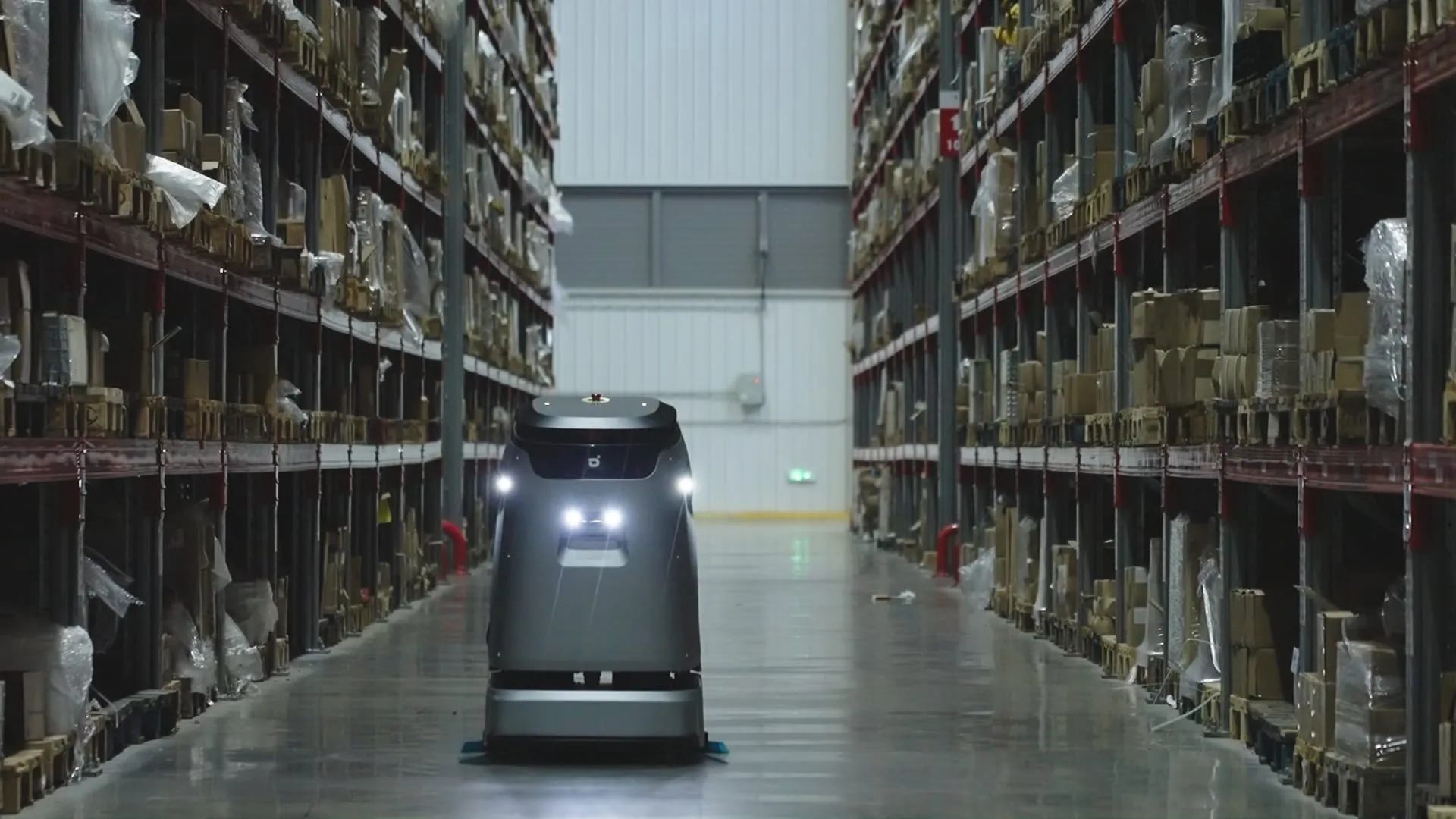
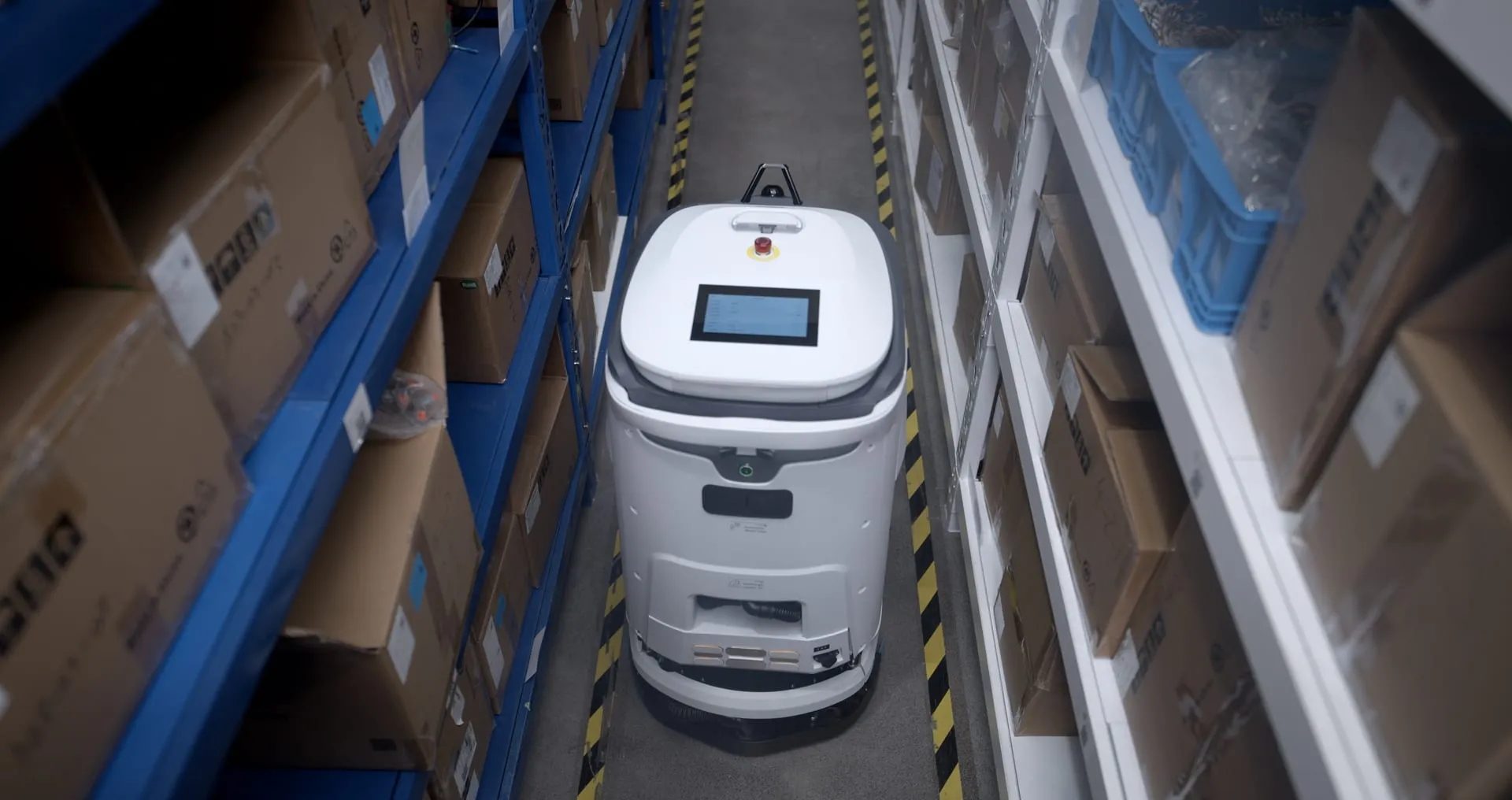
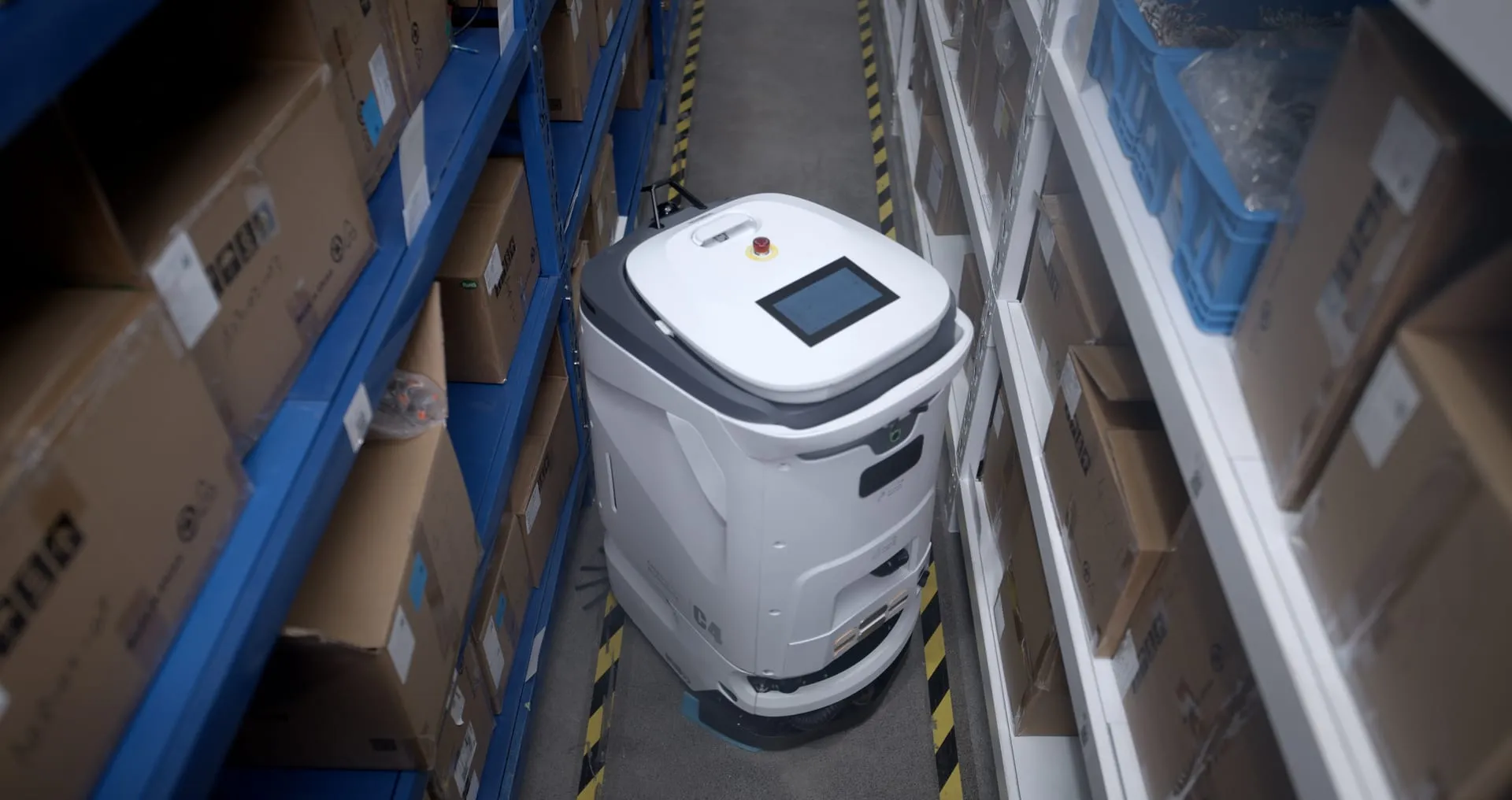
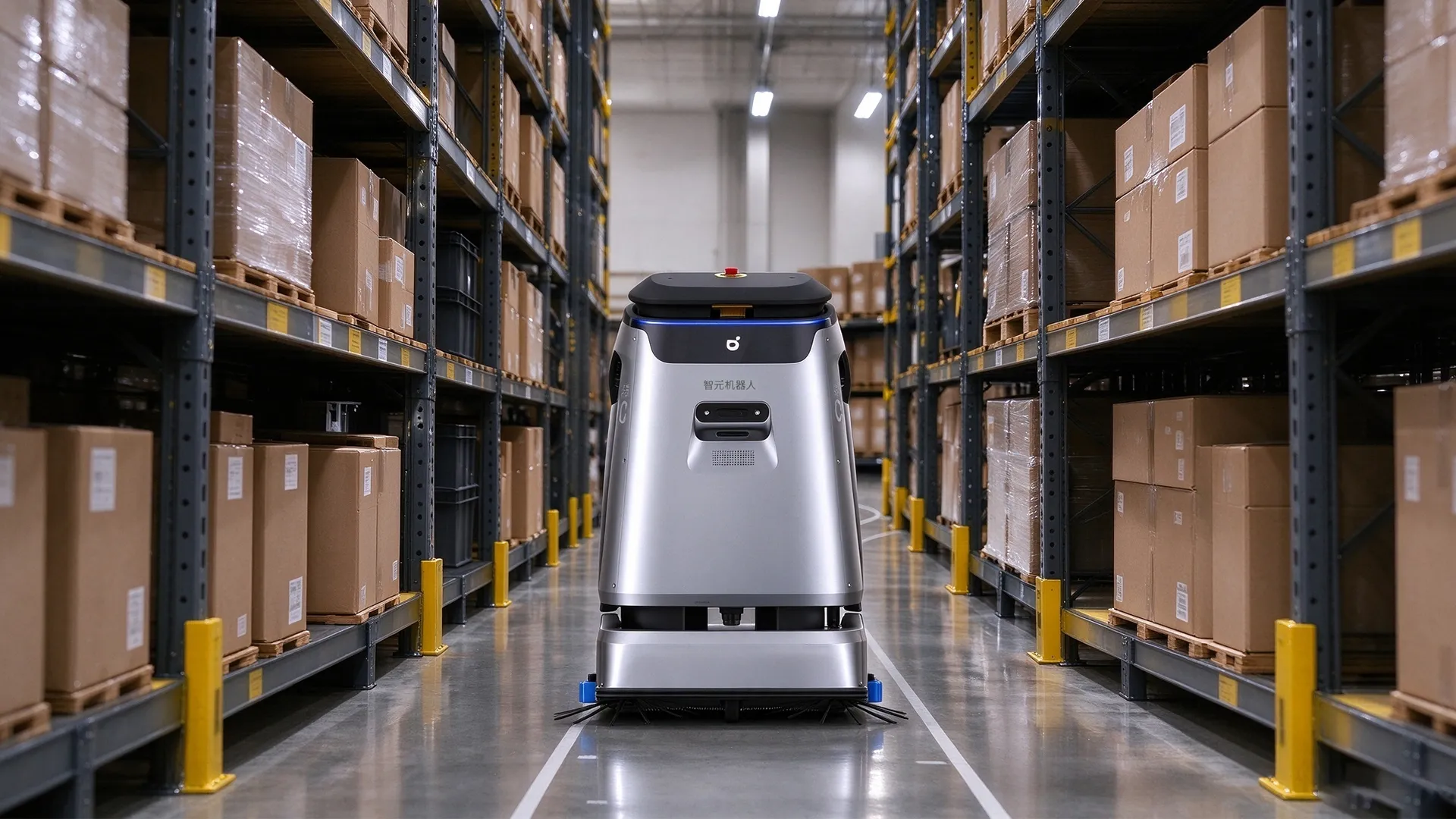
Oil, dust, footfall and the hours you can clean decide the plan before a model does.
Large floor areas lead to a high cleaning workload, and cleaning processes lack effective monitoring.
Large areas that are not cleaned promptly can suffer irreversible floor damage, raising long-term maintenance cost.
Cleaning depends on shift patterns, so coverage stops when the shift does.
The machines, the zones they cover and the records that prove what happened.
Three choices that change how the site runs.
Scrubbing and dust mopping are scheduled to site conditions, running across the whole operating window.
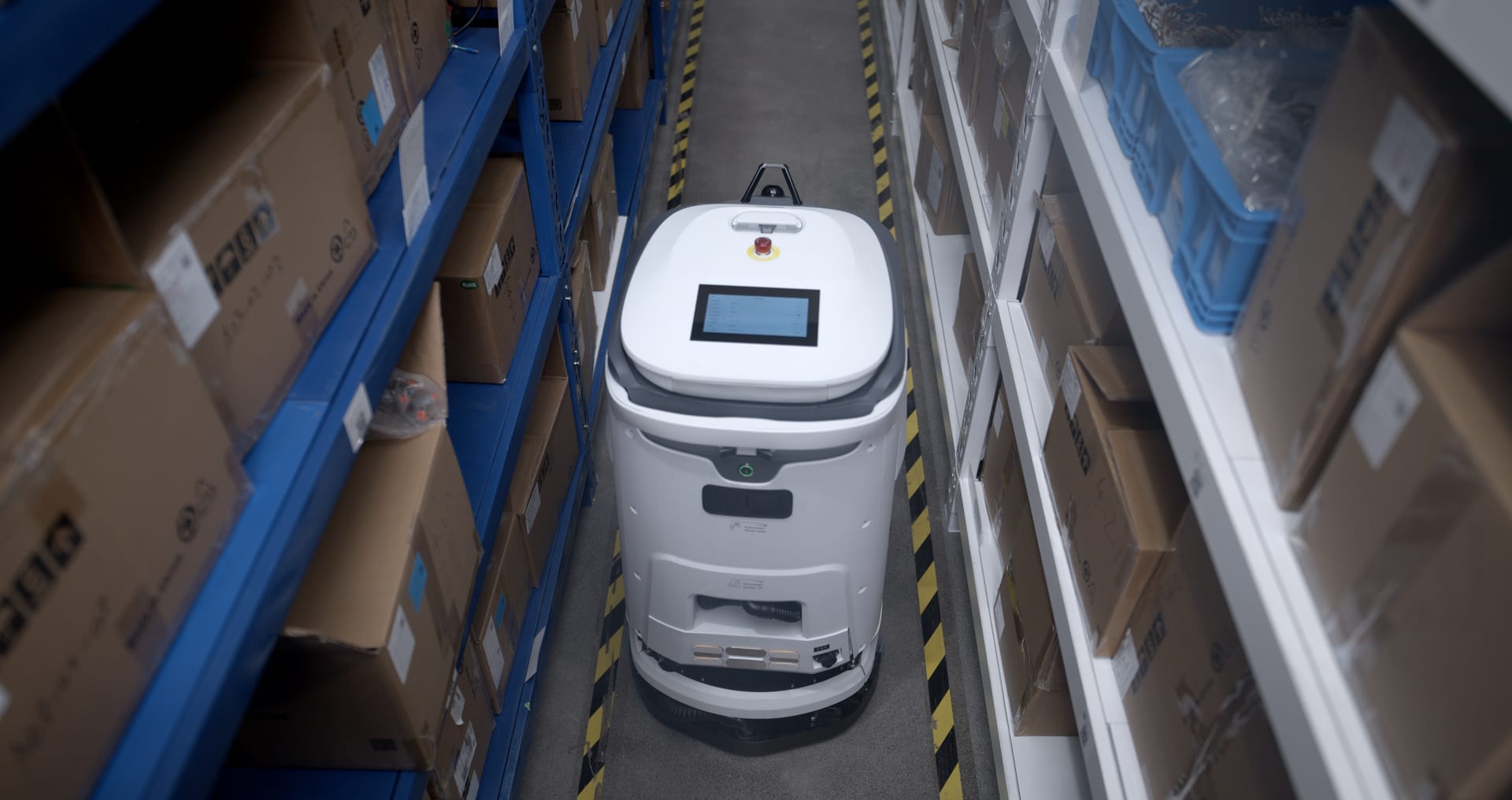
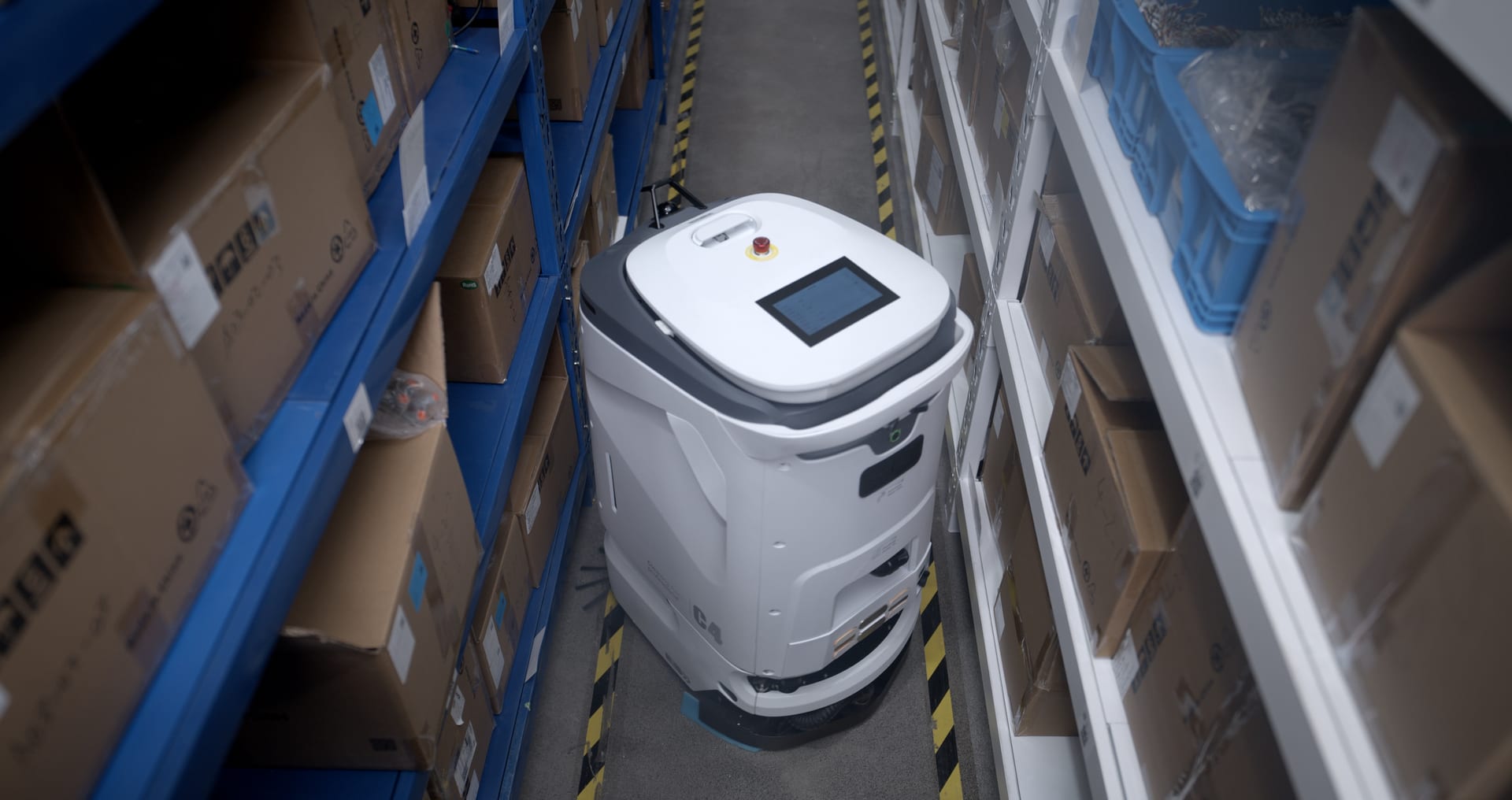
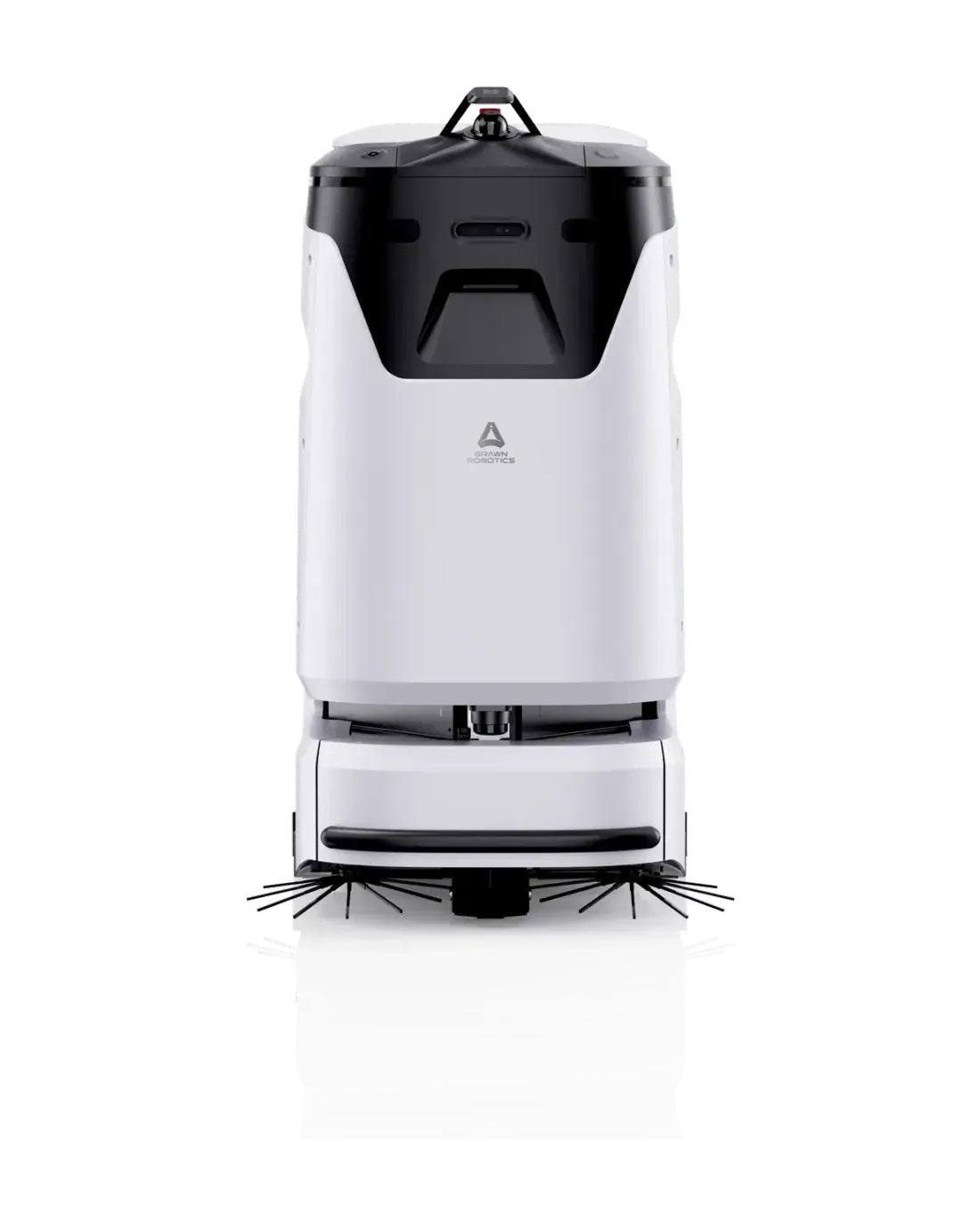
The dual-roller brush design collects floor debris efficiently in the same pass.
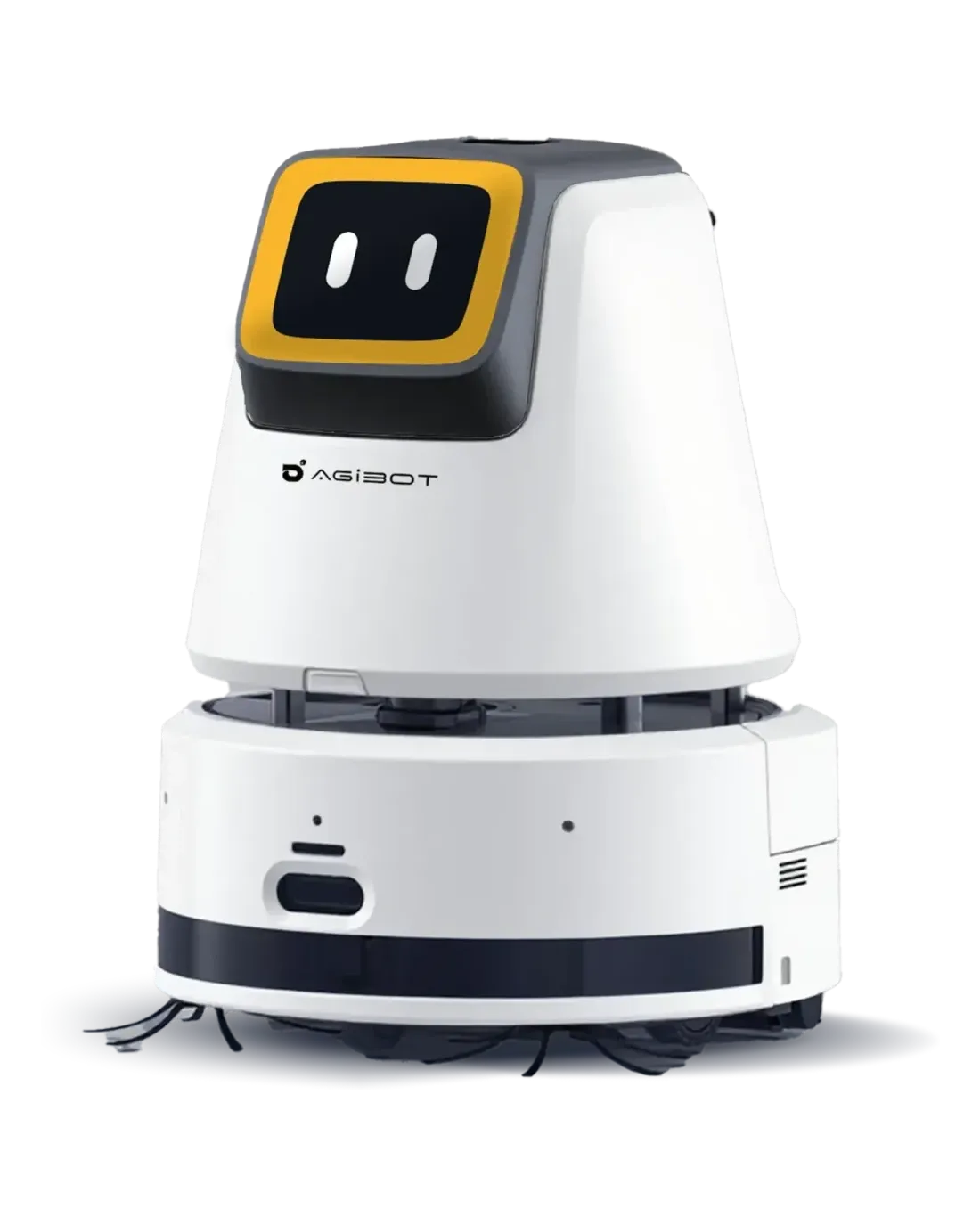
The docking station refills, drains and charges so the robot keeps working instead of waiting for staff.
The same work, before and after, on the metrics that matter to this site.
| Metric | Manual cleaning | With BRAWN robots |
|---|---|---|
| Daily cleaned area | Manual coverage is limited | 6,000–8,000 m² per day |
| Continuity | Stops with the shift | Refilled by the docking station |
| Debris handling | Dependent on manual sweeping | Dual roller brushes collect in-pass |
Comparison figures are typical-scenario estimates from the solution handbook, not client measurements.
From the first survey to a running fleet: the same four steps on every project.
A walk-through of areas, surfaces, obstacles, lift and access-control conditions, plus the plumbing available for a docking station.
Model mix, zone plan, cleaning frequency and consumable estimate. A labour comparison is included only when the customer supplies a reliable baseline; the current answer set has no verified before-and-after labour case.
Staging plan, charging and docking positions, network and lift integration scope, and a training schedule for the operating team.
The cloud platform reports equipment status and faults, and self-check covers sensors, motors and the main controller. Partners receive remote technical support for genuine product faults; site-network, water or drainage problems remain site responsibilities.
The next scenarios in the line.