Scale and frequency
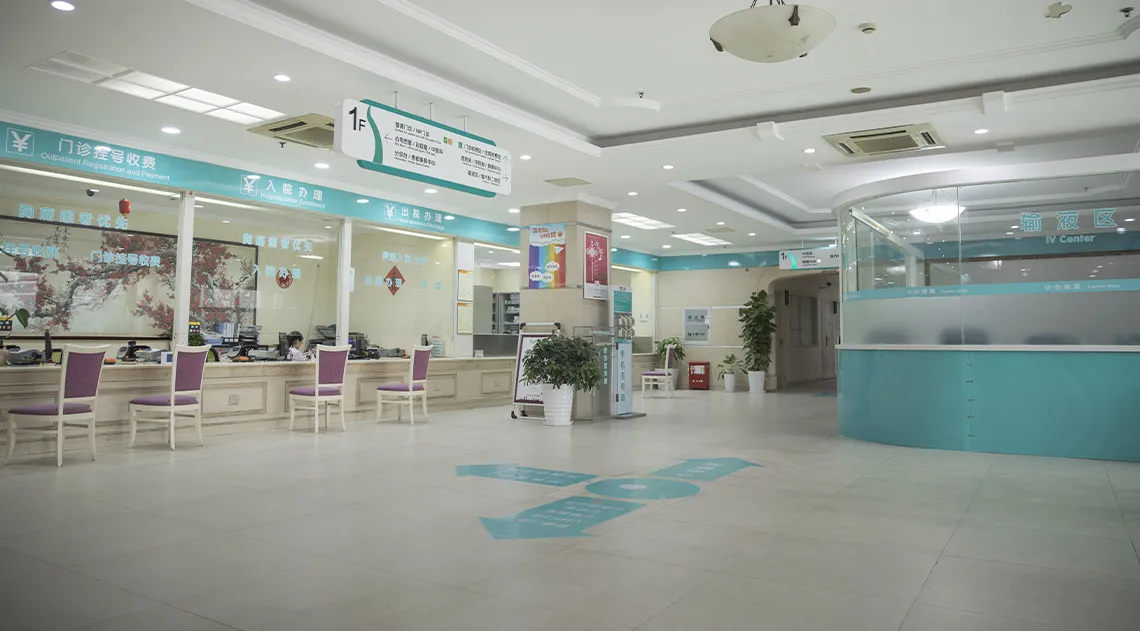
Extra-large spaces generate waste continuously; cleaning timeliness is demanding and coordinating many areas is hard.

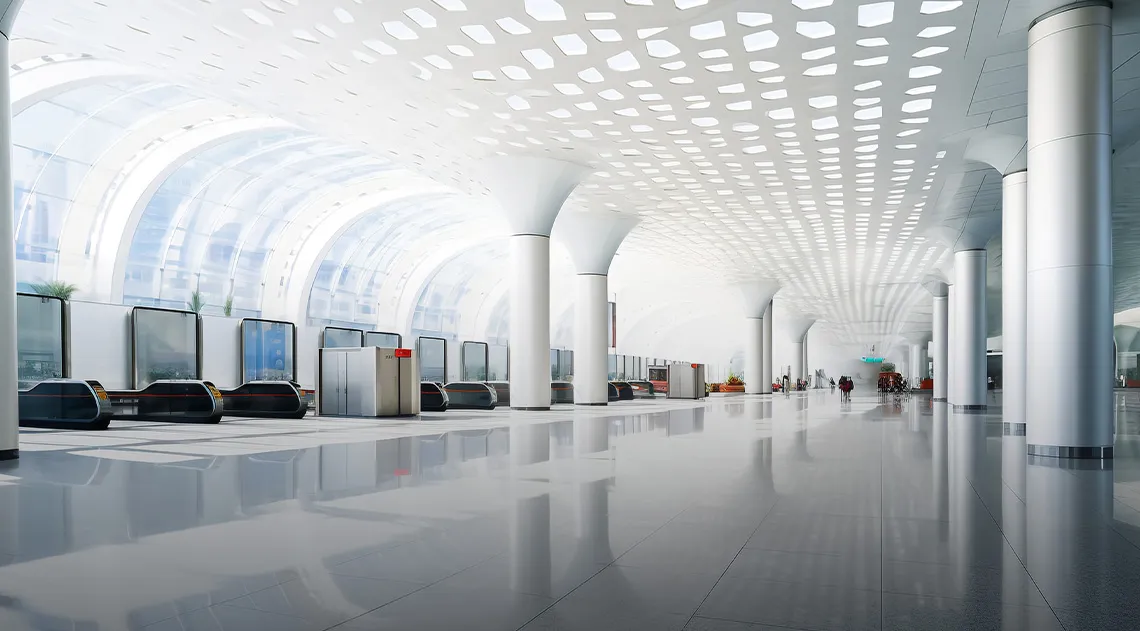
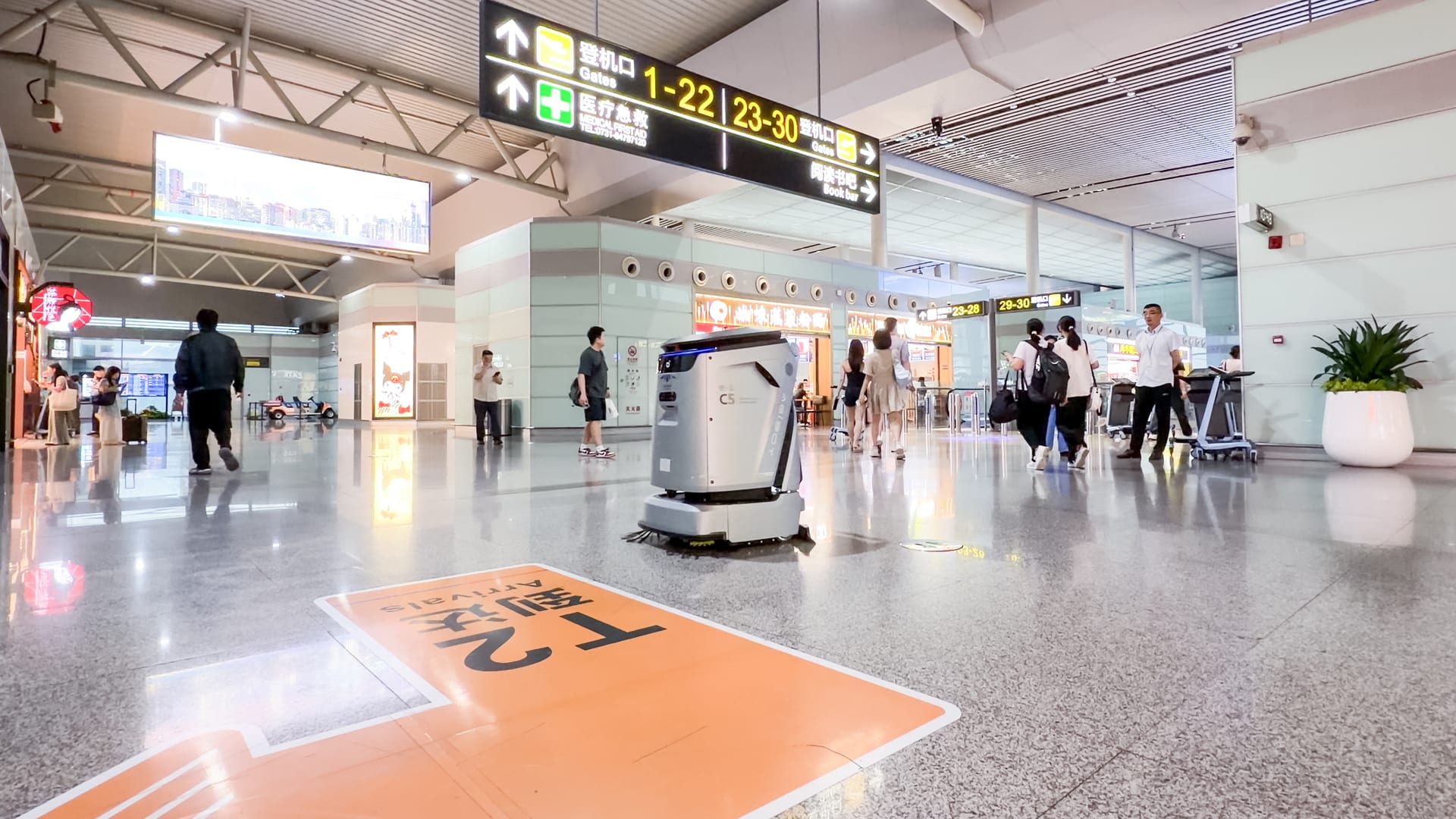
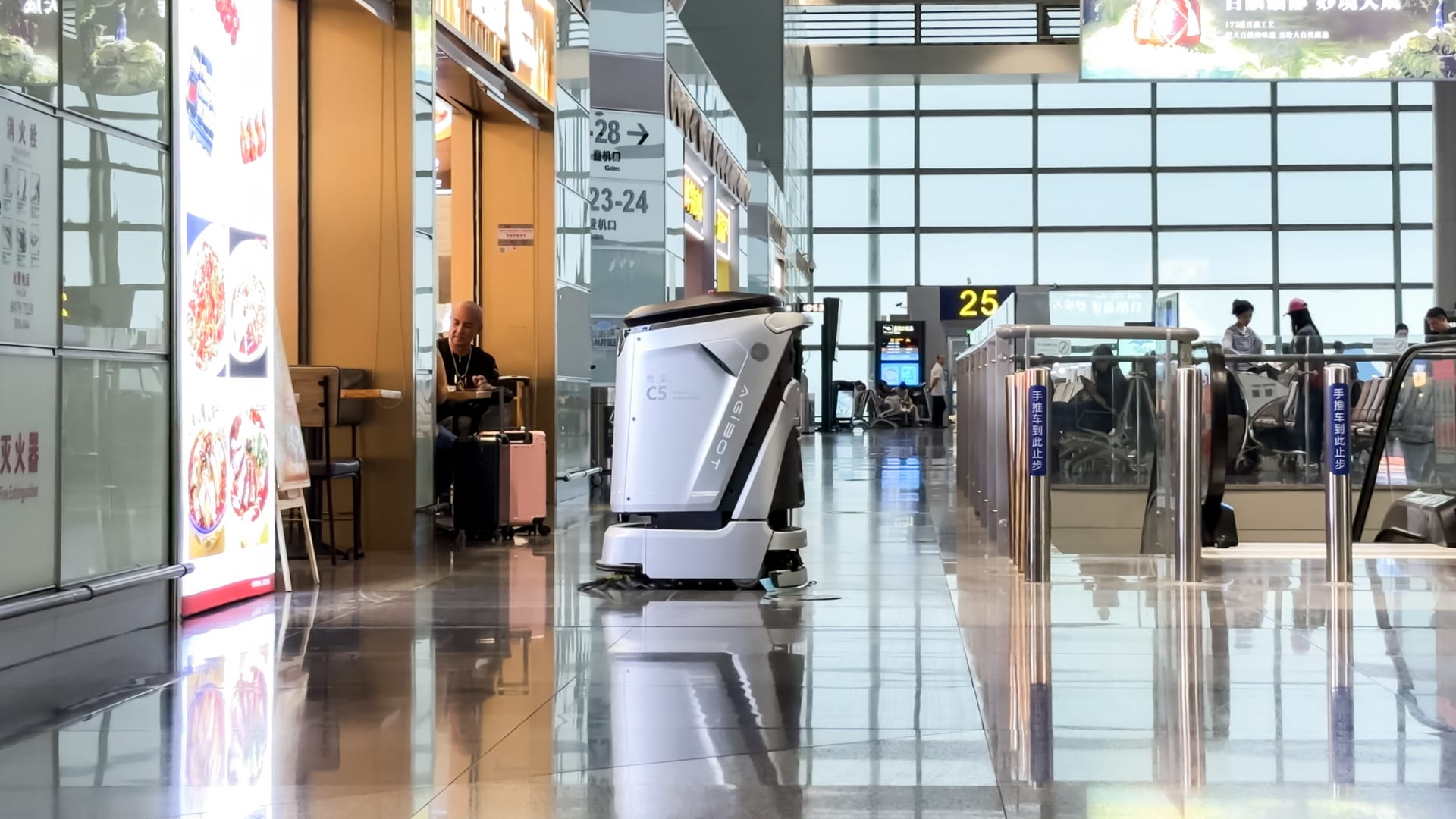
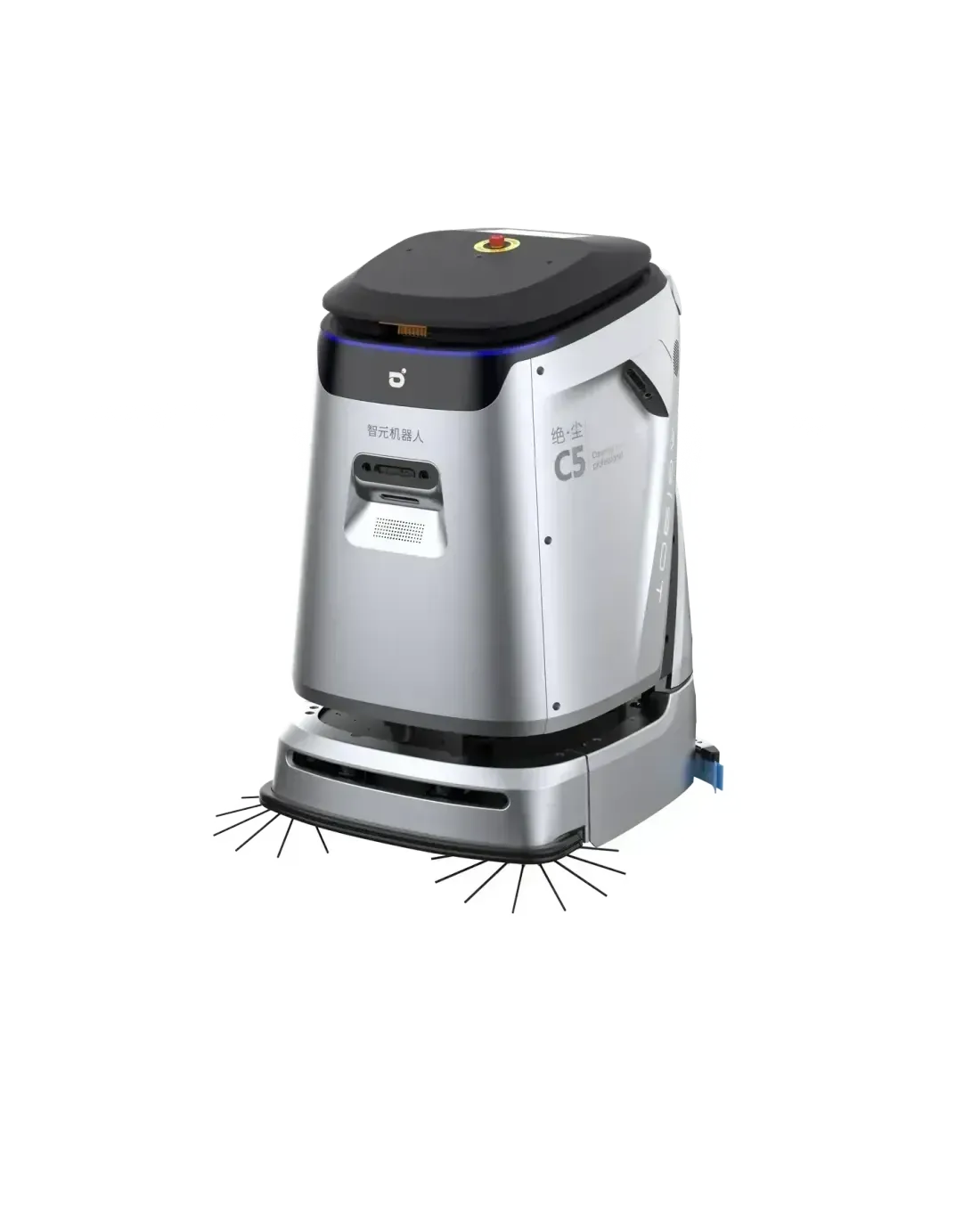
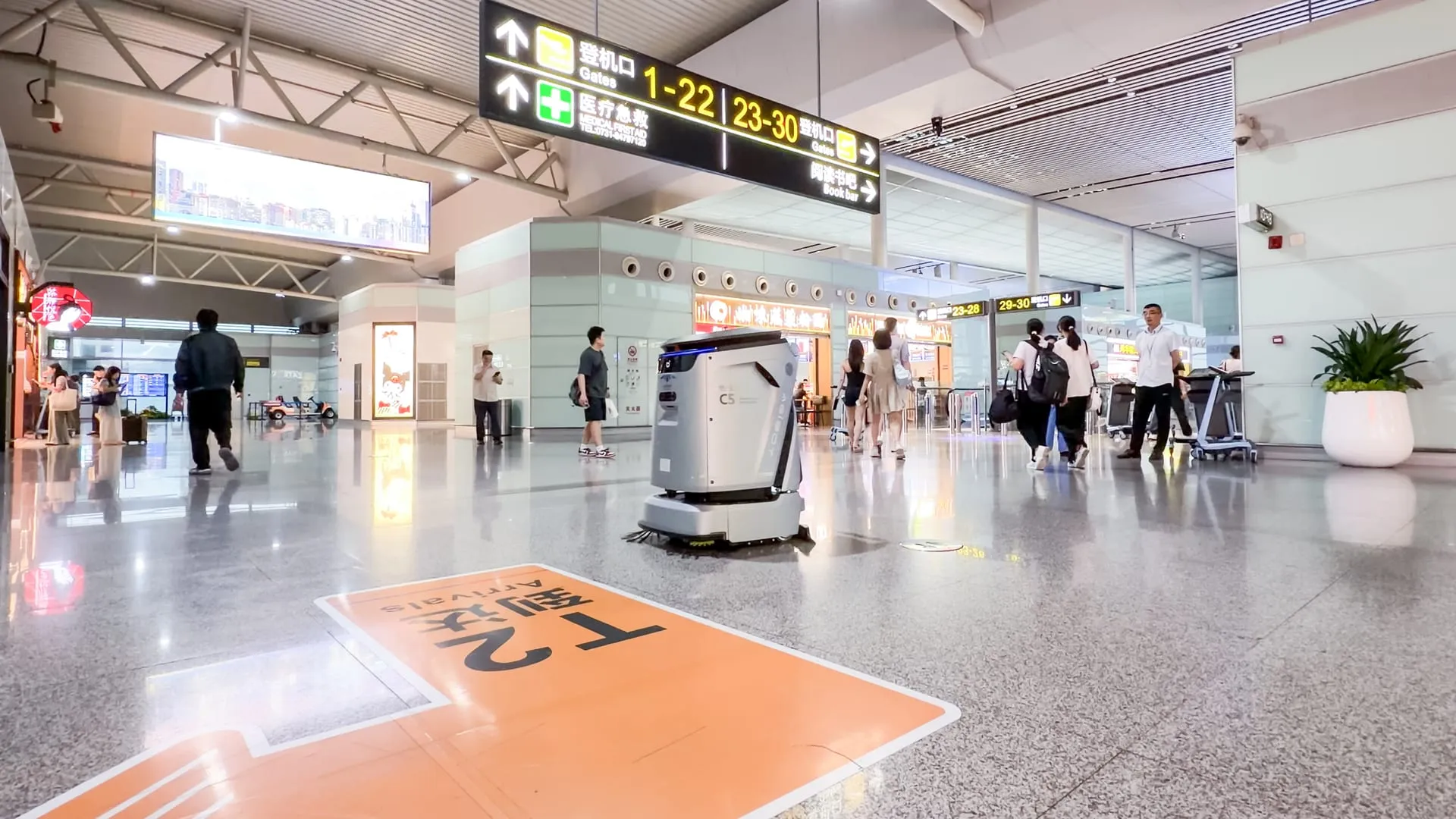
Debris is generated around the clock and the deep clean has to fit into a short night window. C5 dust-mops during operating hours and scrubs the whole floor overnight.
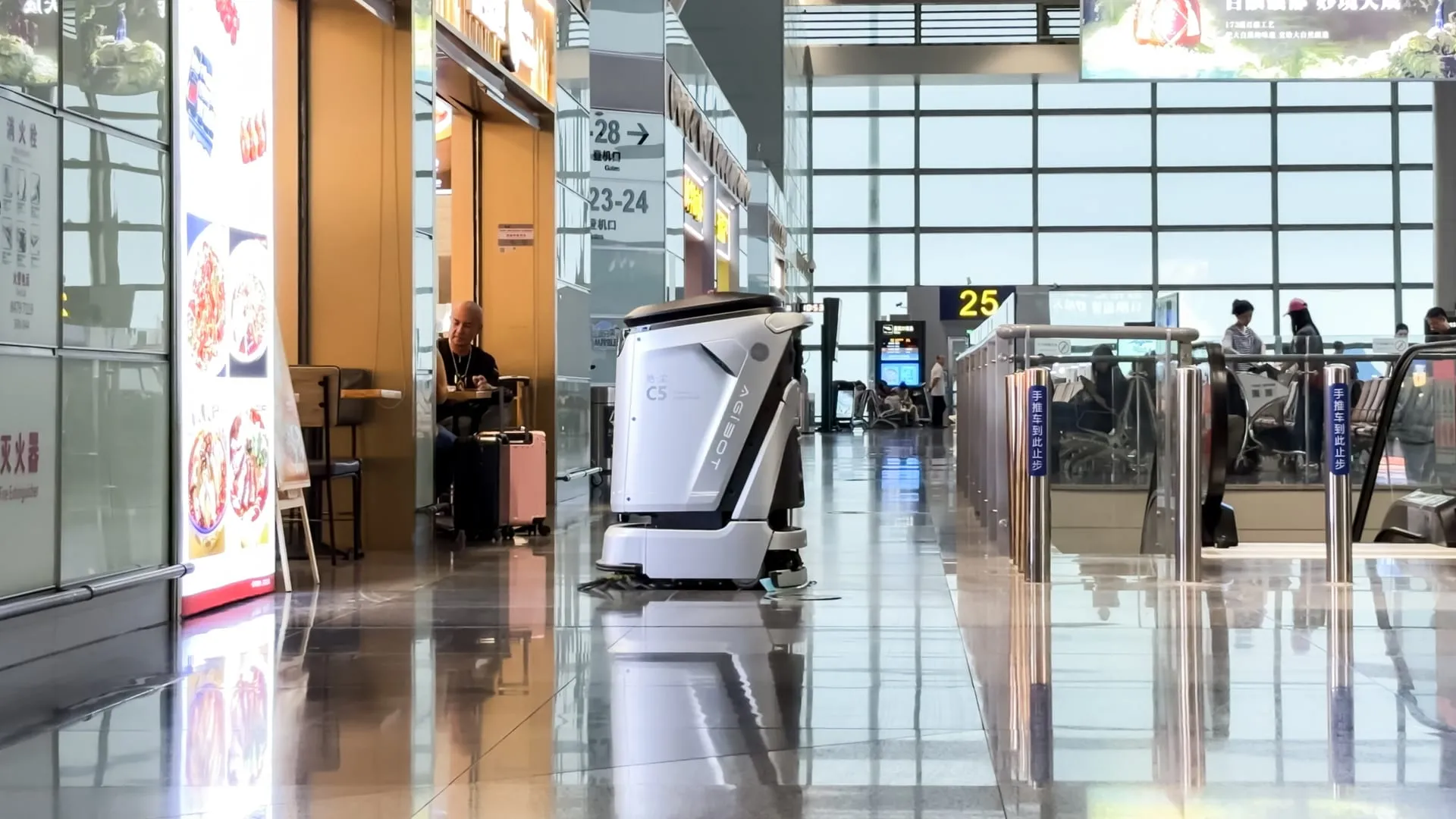
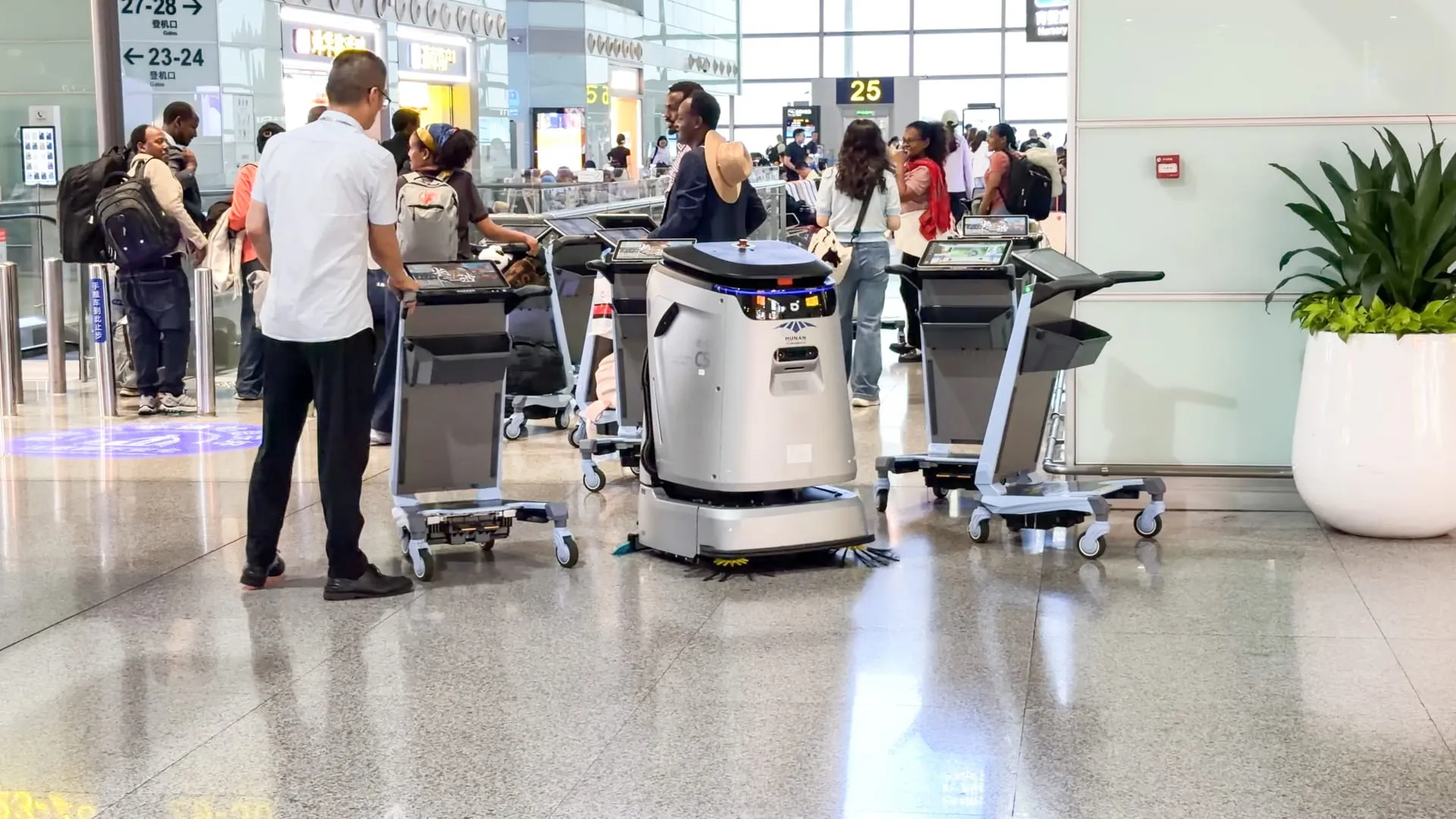
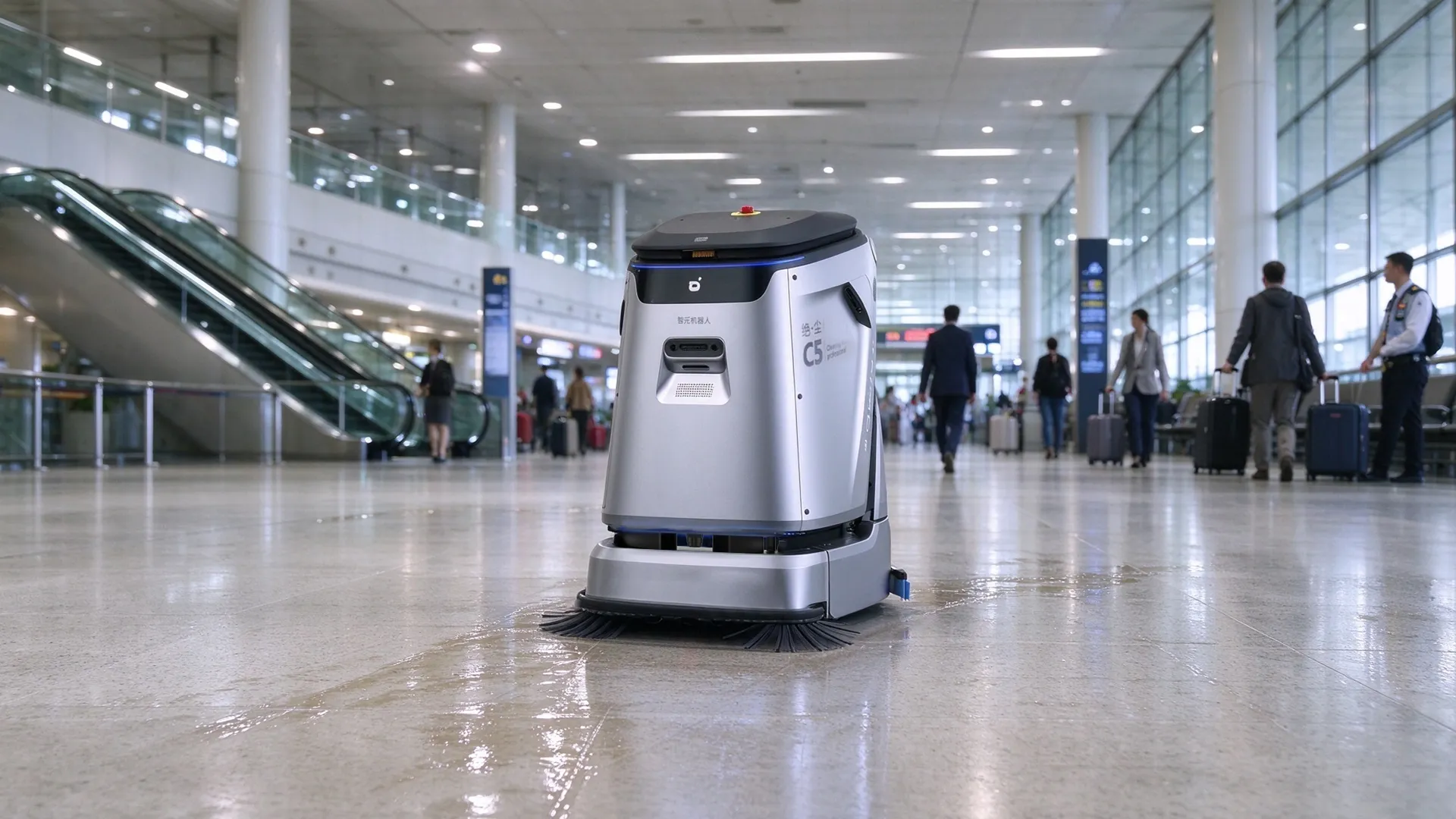
Oil, dust, footfall and the hours you can clean decide the plan before a model does.
Extra-large spaces generate waste continuously; cleaning timeliness is demanding and coordinating many areas is hard.
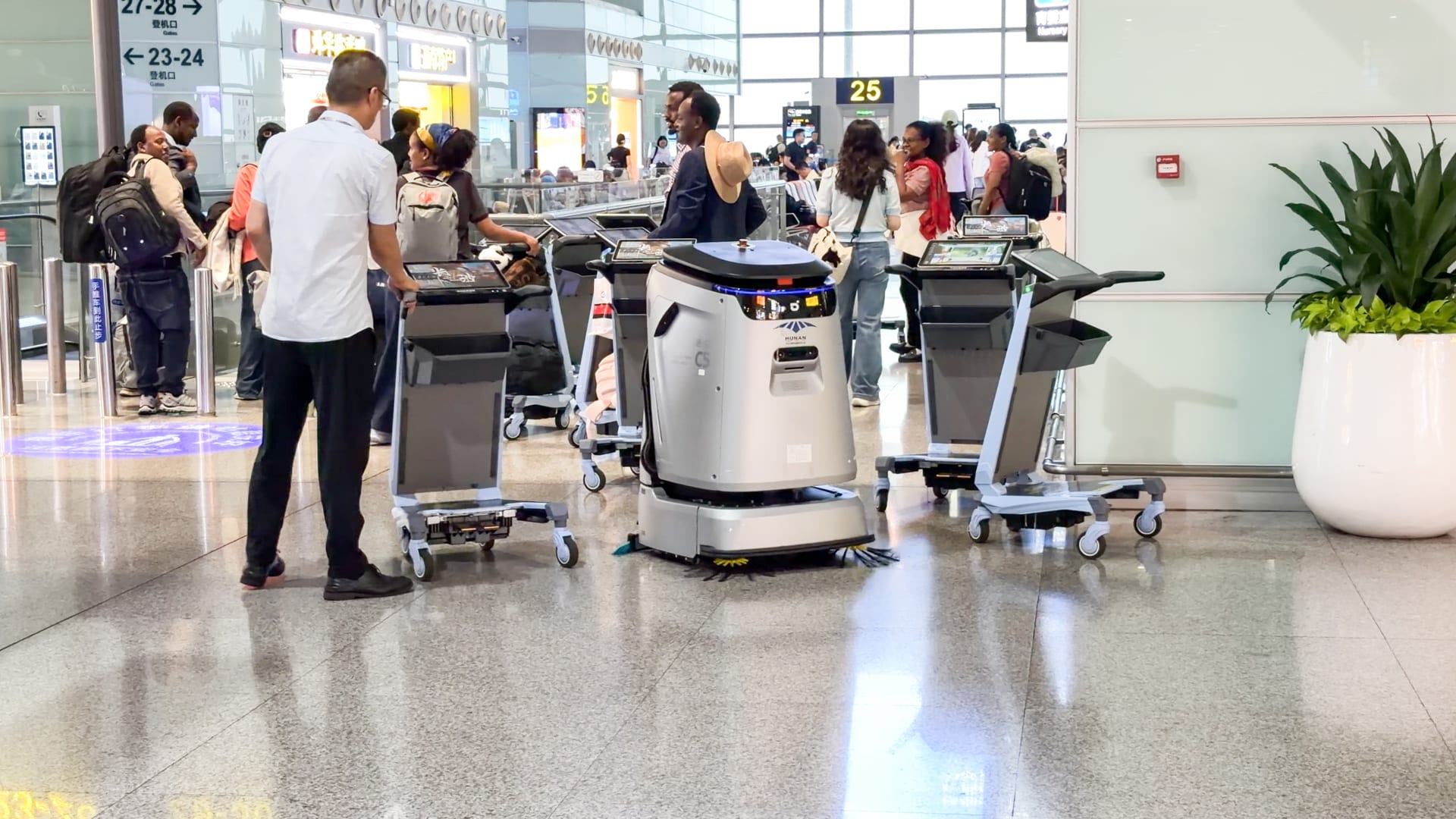
High safety standards with complex traffic flow and congestion risks around cleaning operations.
Limited flexibility in covering shifts raises management cost, turnover increases recruitment cost, and a heavy manual cleaning load means high labour expense.
The machines, the zones they cover and the records that prove what happened.
Three choices that change how the site runs.
Continuous dust mopping during operating hours, with one full-coverage scrub overnight before the terminal opens.
Zone-specific plans raise the frequency of high-sensitivity areas within each zone.
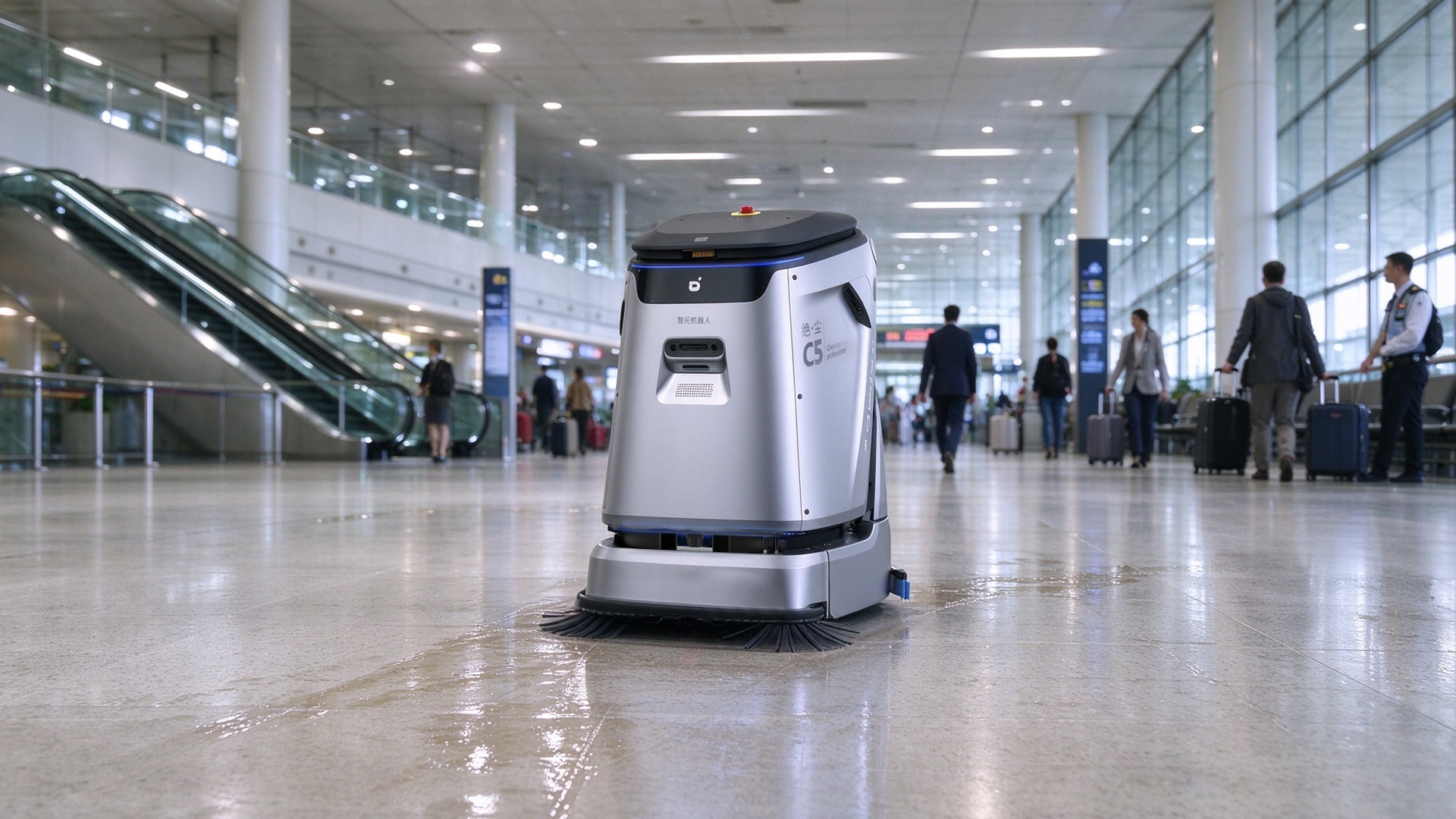
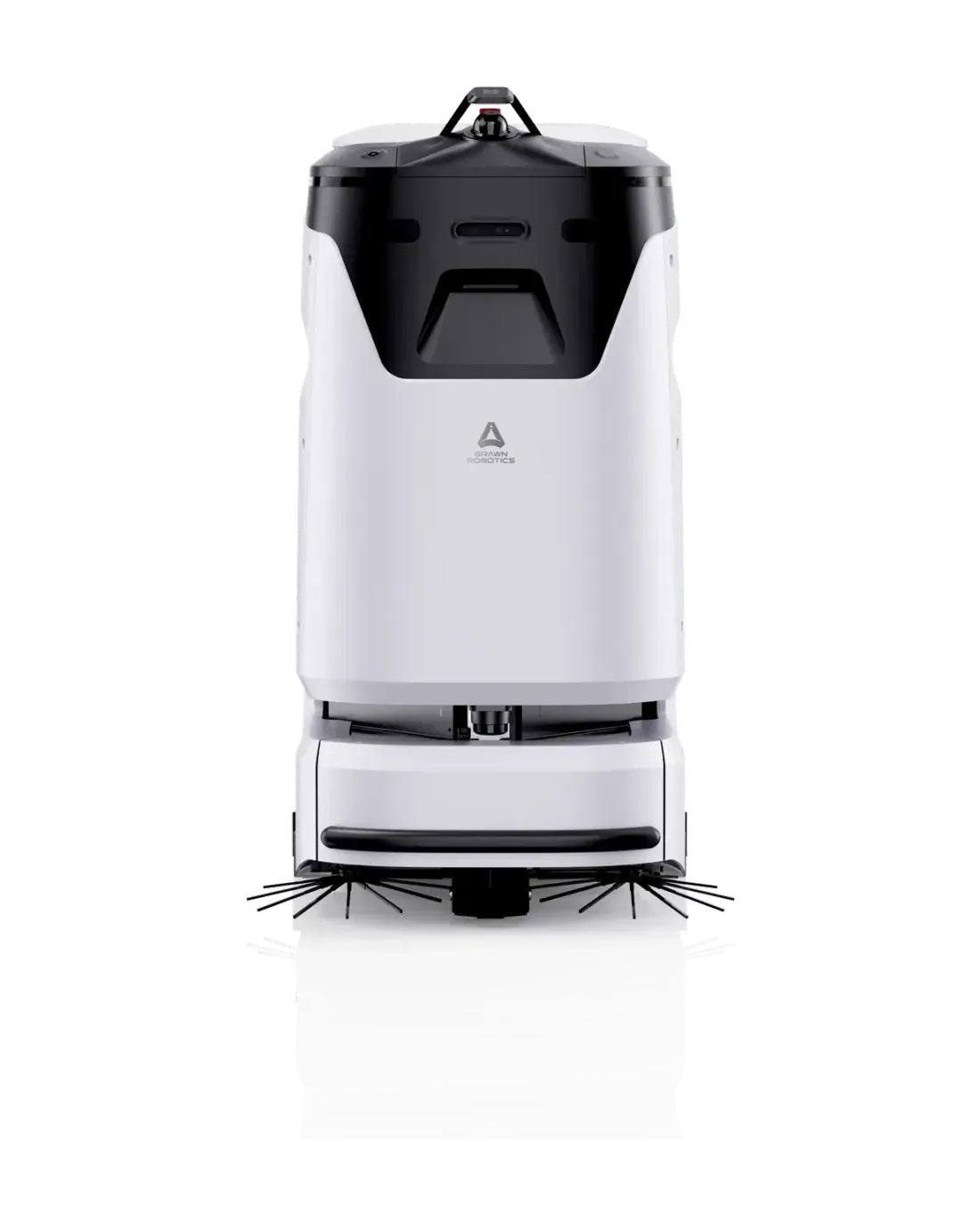
Deep learning gives accurate pedestrian detection and fast response, while the dual-chamber squeegee leaves no residual water.
Zone by zone, in the order the site actually runs them.
| Zone | Cleaning mode | Frequency | Unit |
|---|---|---|---|
| Departure / waiting area | Dust mopping by day, scrubbing at night | 4 passes/day | C5 |
| Pre-security check area | Dust mopping plus overnight scrub | 4 passes/day | C5 |
| Arrival / departure zone | Light scrubbing | 4 passes/day | C5 |
| Passageways and escalator areas | Wet mopping | 2 passes/day | C5 |
The same work, before and after, on the metrics that matter to this site.
| Metric | Manual cleaning | With BRAWN robots |
|---|---|---|
| Manual cleaning load | Coverage limited by available staff | C5 fleet covers main routes continuously |
| Cleaning window | Manual cleaning interrupted by footfall | Dust mop by day, full scrub at night |
| Residual water | Wet floors raise slip risk | Dual-chamber squeegee reduces water |
| Process control | No effective control measures | Digital management, work is traceable |
Comparison figures are typical-scenario estimates from the solution handbook, not client measurements.
From the first survey to a running fleet: the same four steps on every project.
A walk-through of areas, surfaces, obstacles, lift and access-control conditions, plus the plumbing available for a docking station.
Model mix, zone plan, cleaning frequency and consumable estimate. A labour comparison is included only when the customer supplies a reliable baseline; the current answer set has no verified before-and-after labour case.
Staging plan, charging and docking positions, network and lift integration scope, and a training schedule for the operating team.
The cloud platform reports equipment status and faults, and self-check covers sensors, motors and the main controller. Partners receive remote technical support for genuine product faults; site-network, water or drainage problems remain site responsibilities.
The next scenarios in the line.