Frequency versus capacity
Repetitive floor cleaning consumed the cleaning team, and increasing frequency meant adding capacity.

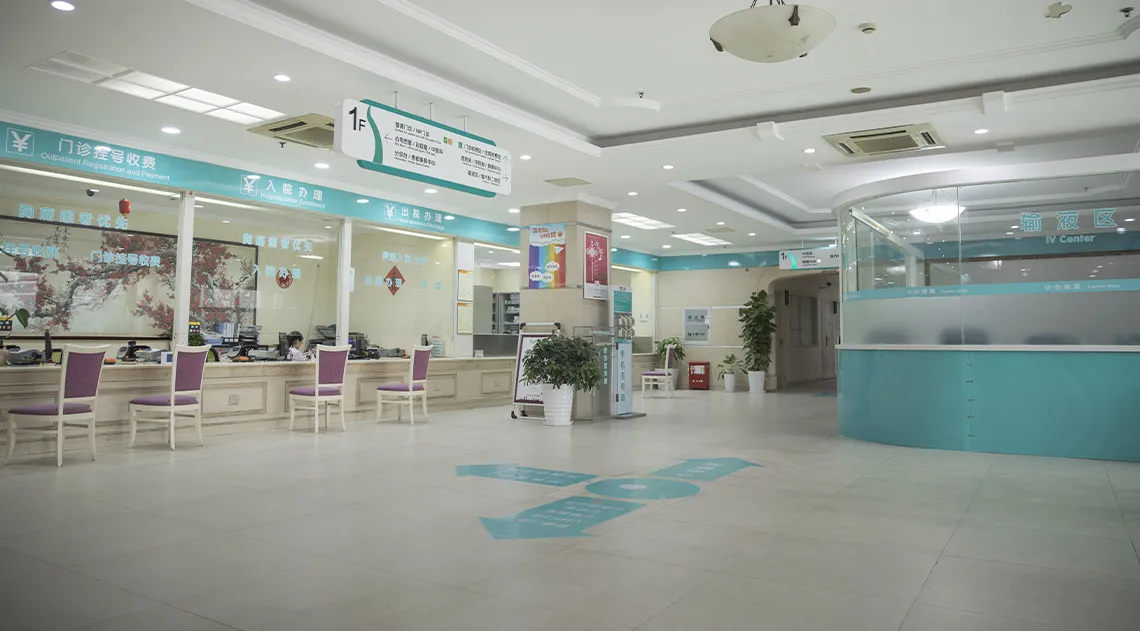
The lobby needed more scrubs than one manual pass could give; wards needed quiet, and cleaning under beds meant hours of bending.
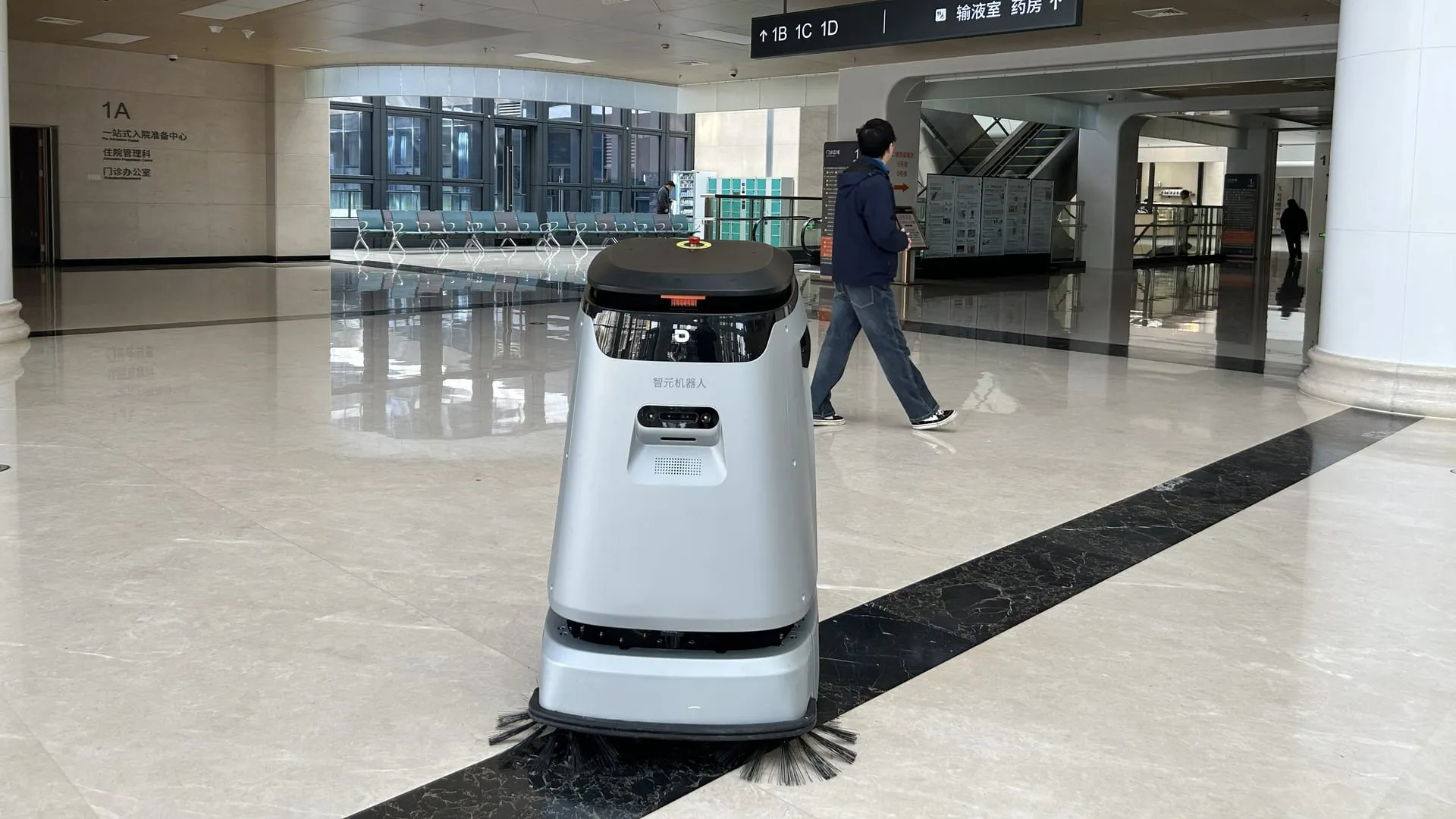
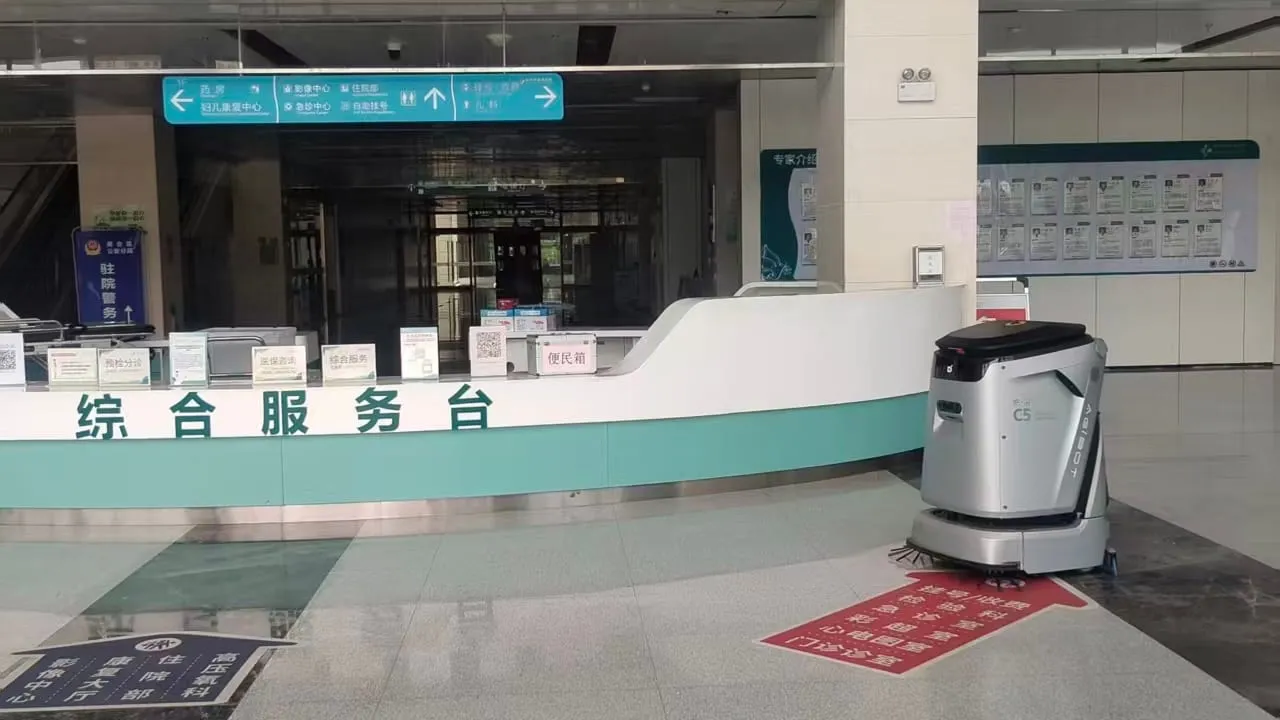
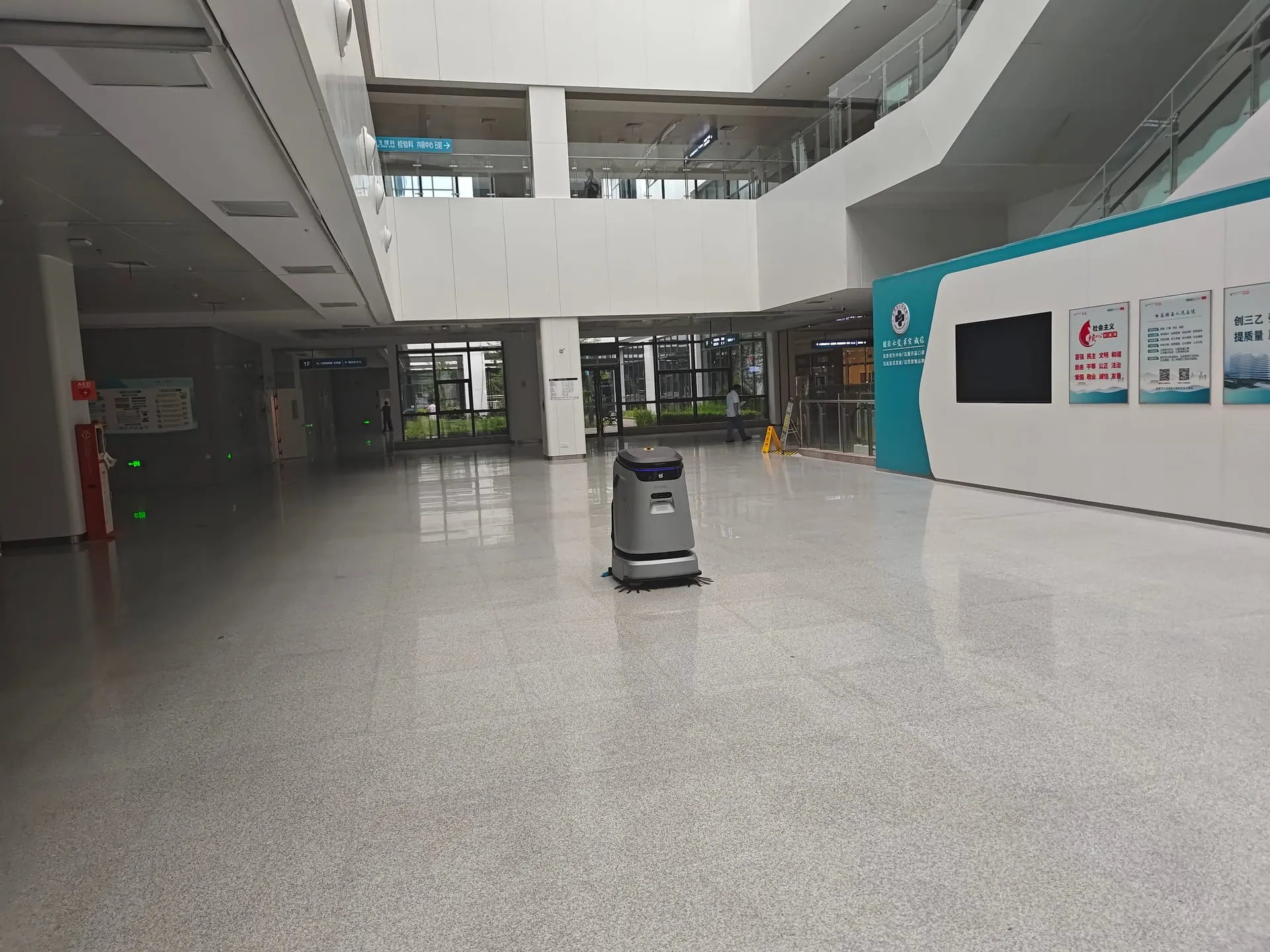
What the site looked like before the robots arrived.
A tertiary hospital, inpatient building · Lobby and wards
Repetitive floor cleaning consumed the cleaning team, and increasing frequency meant adding capacity.
Ward areas are noise-sensitive, so cleaning has to happen without disturbing rest.
How the machines were put to work.
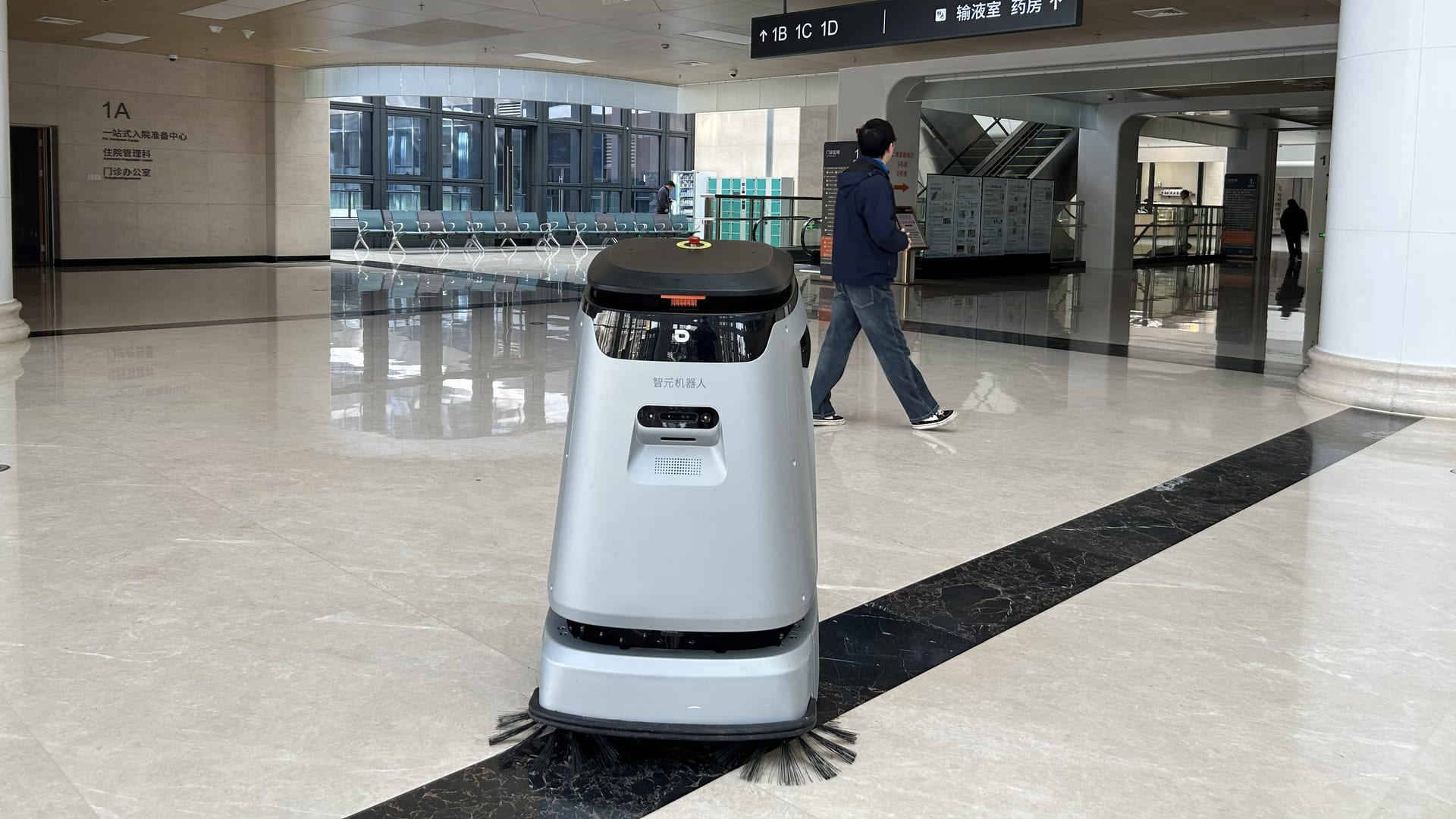
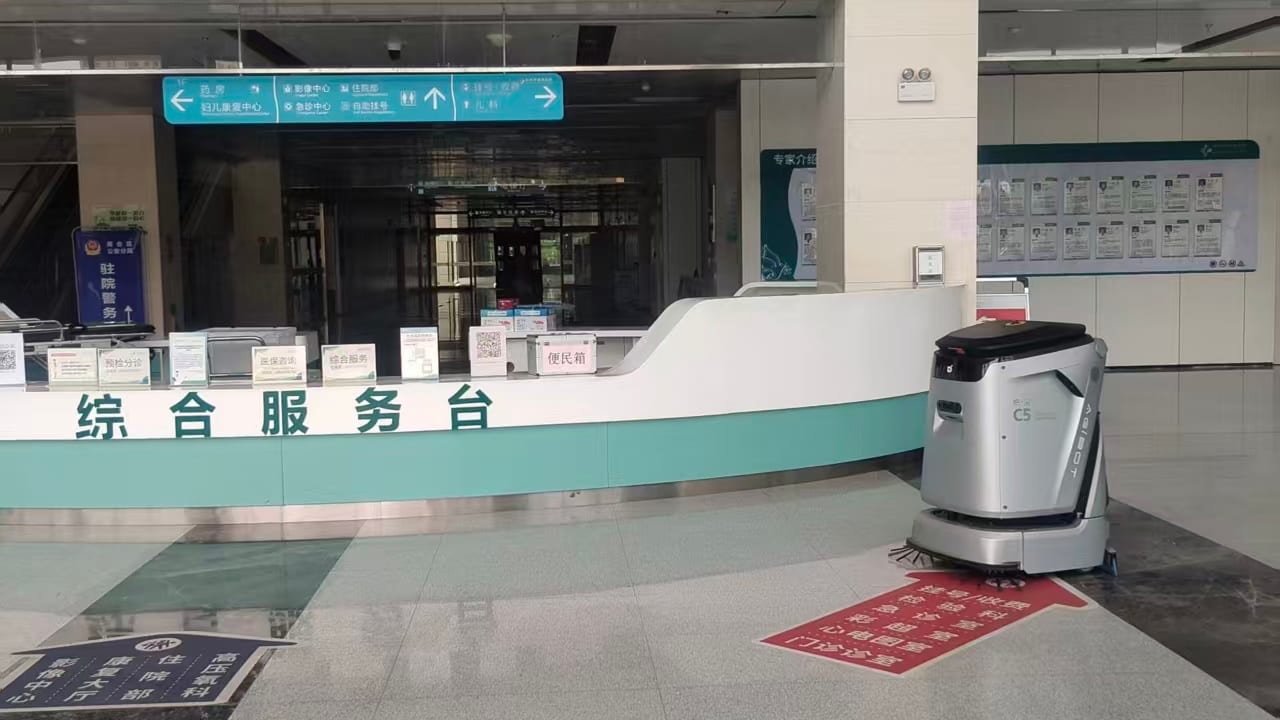
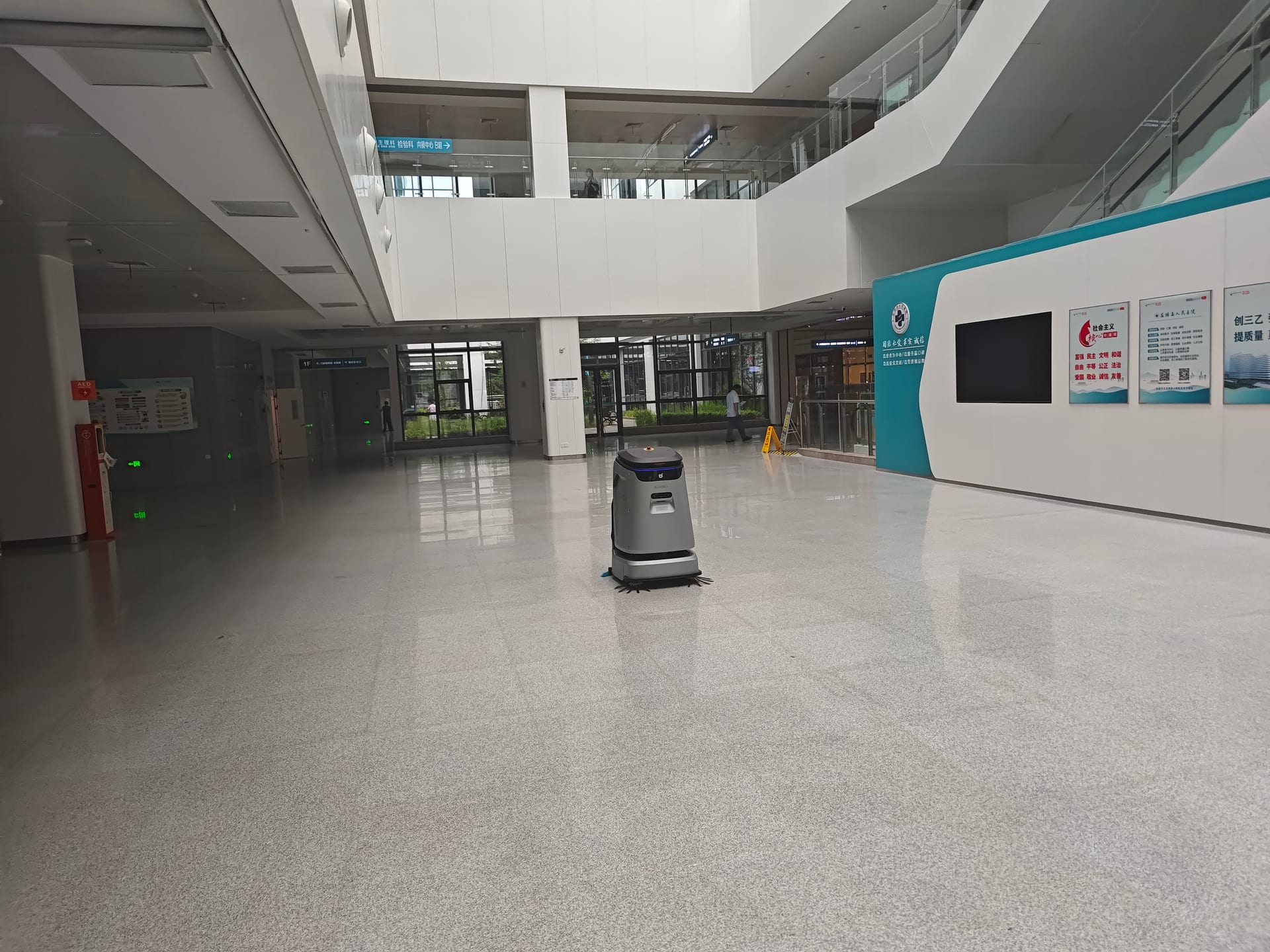
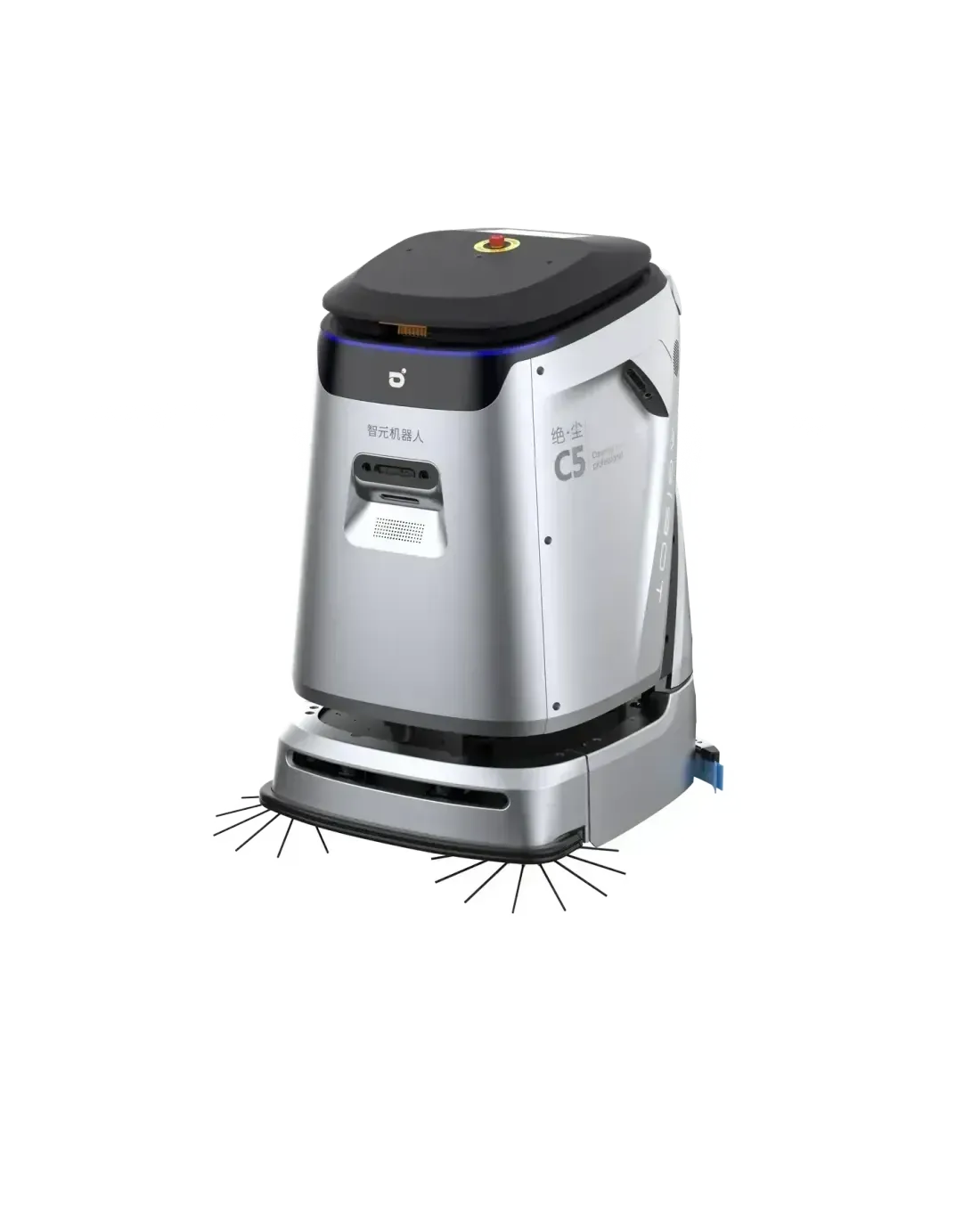
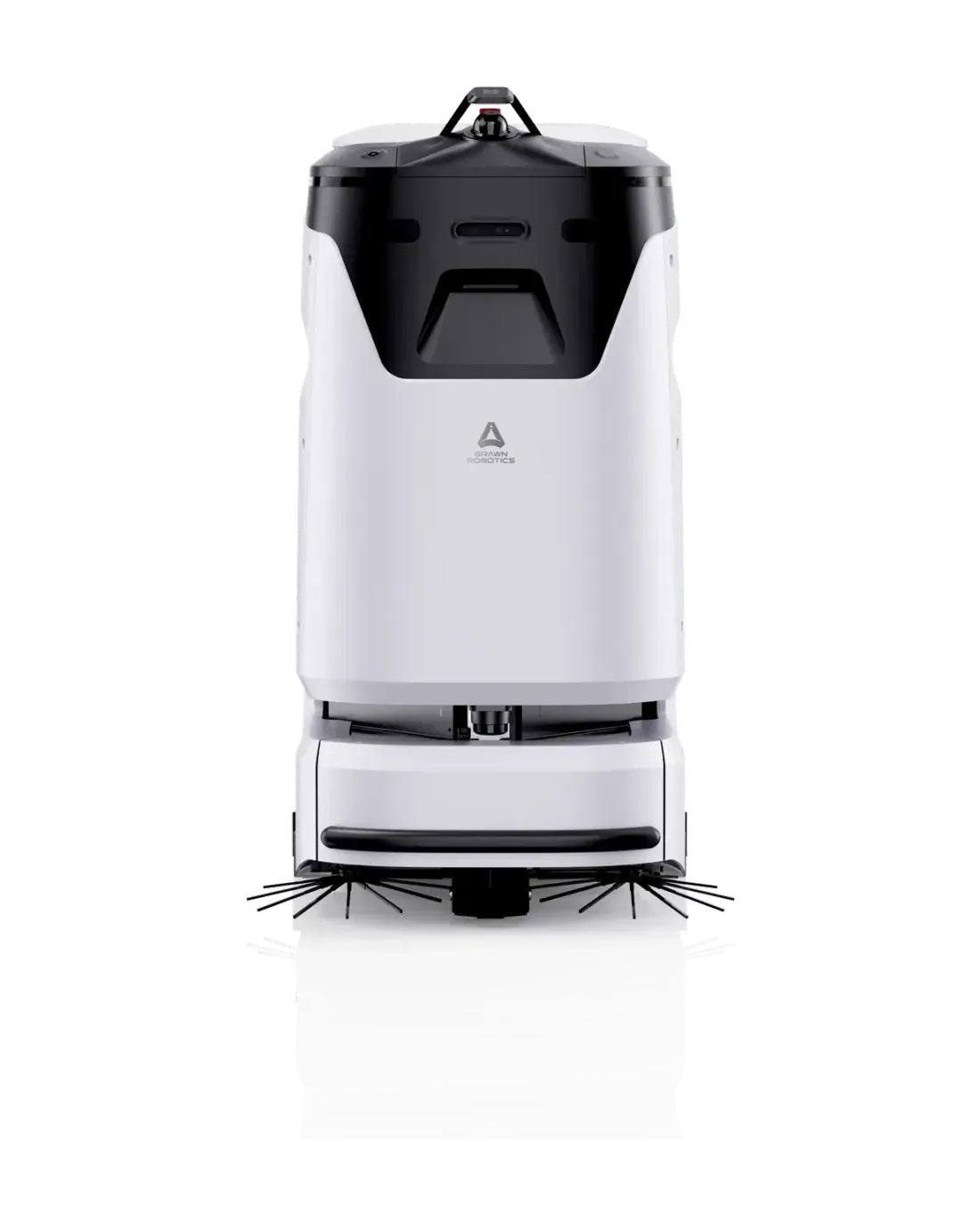
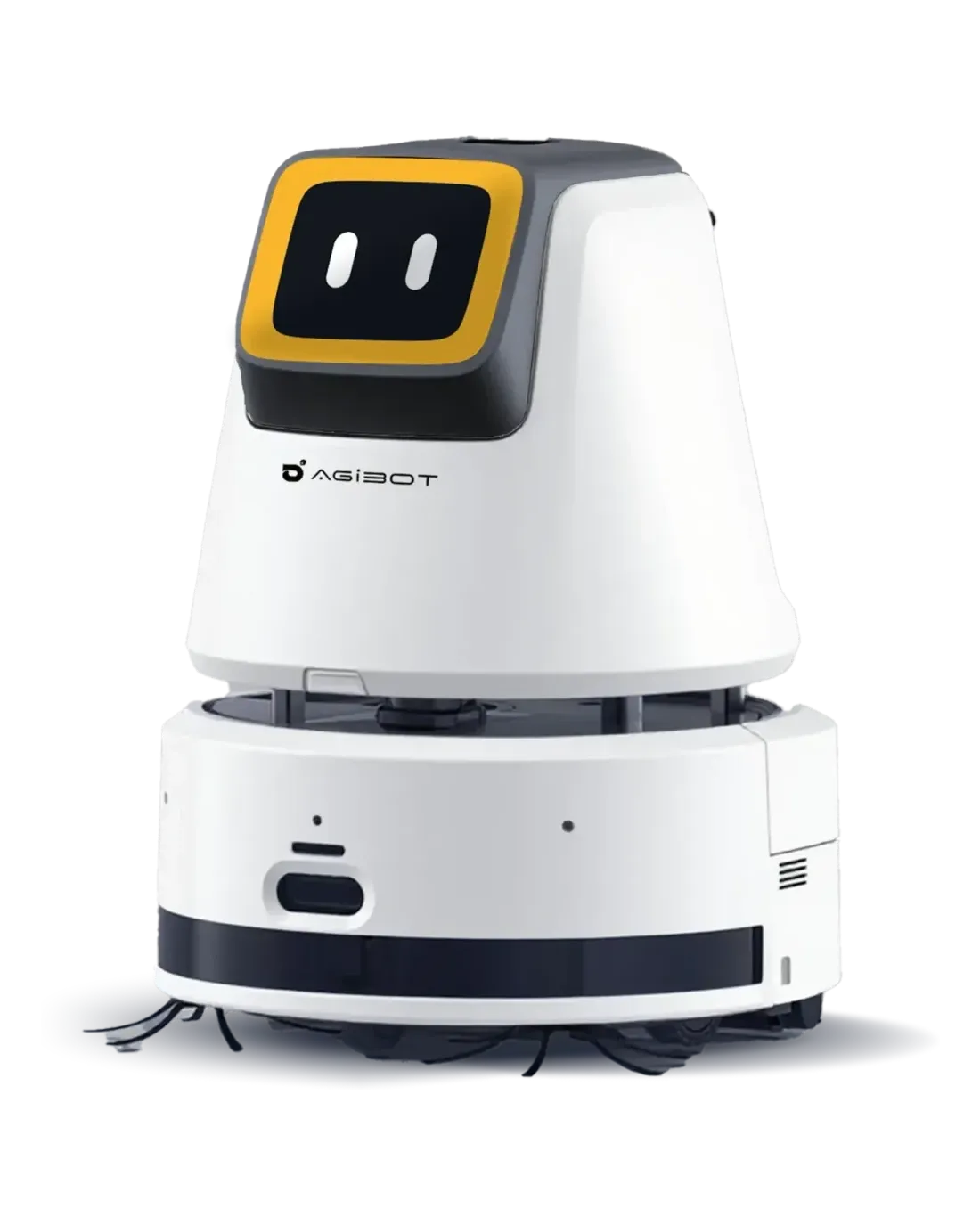
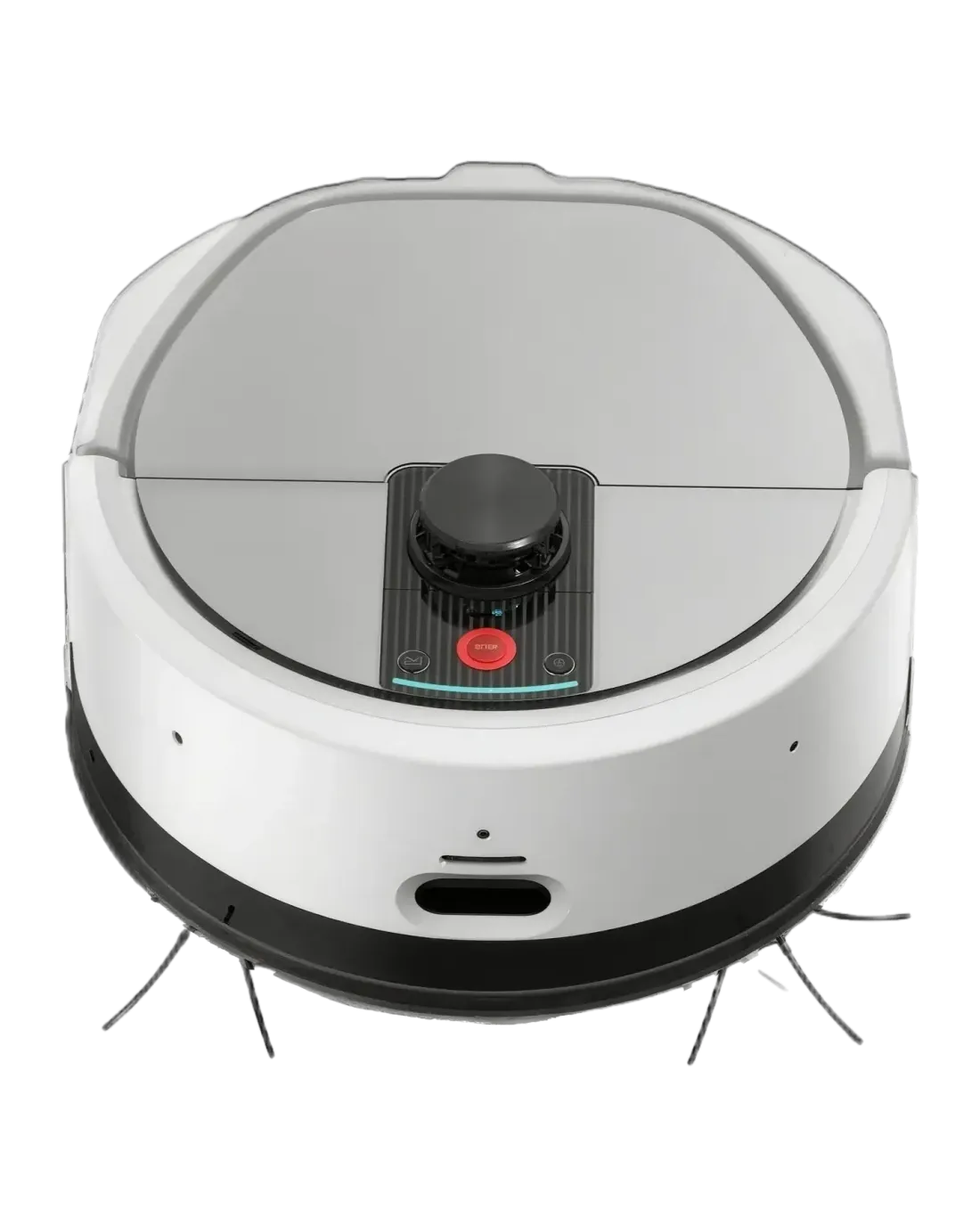
C5 performs scheduled lobby scrubbing, while C2 units quietly wet-mop ward corridors and patient rooms.
Cleaning under beds — the most physically demanding part of the round — is handled by the robot.
The same route follows the site, not a shift handover.
C2 wet-mops corridors and patient rooms below 60 dB(A), outside rest hours.
C5 scrubs the lobby before outpatient traffic builds.
Spills and stains are handled without moving patients around the job.
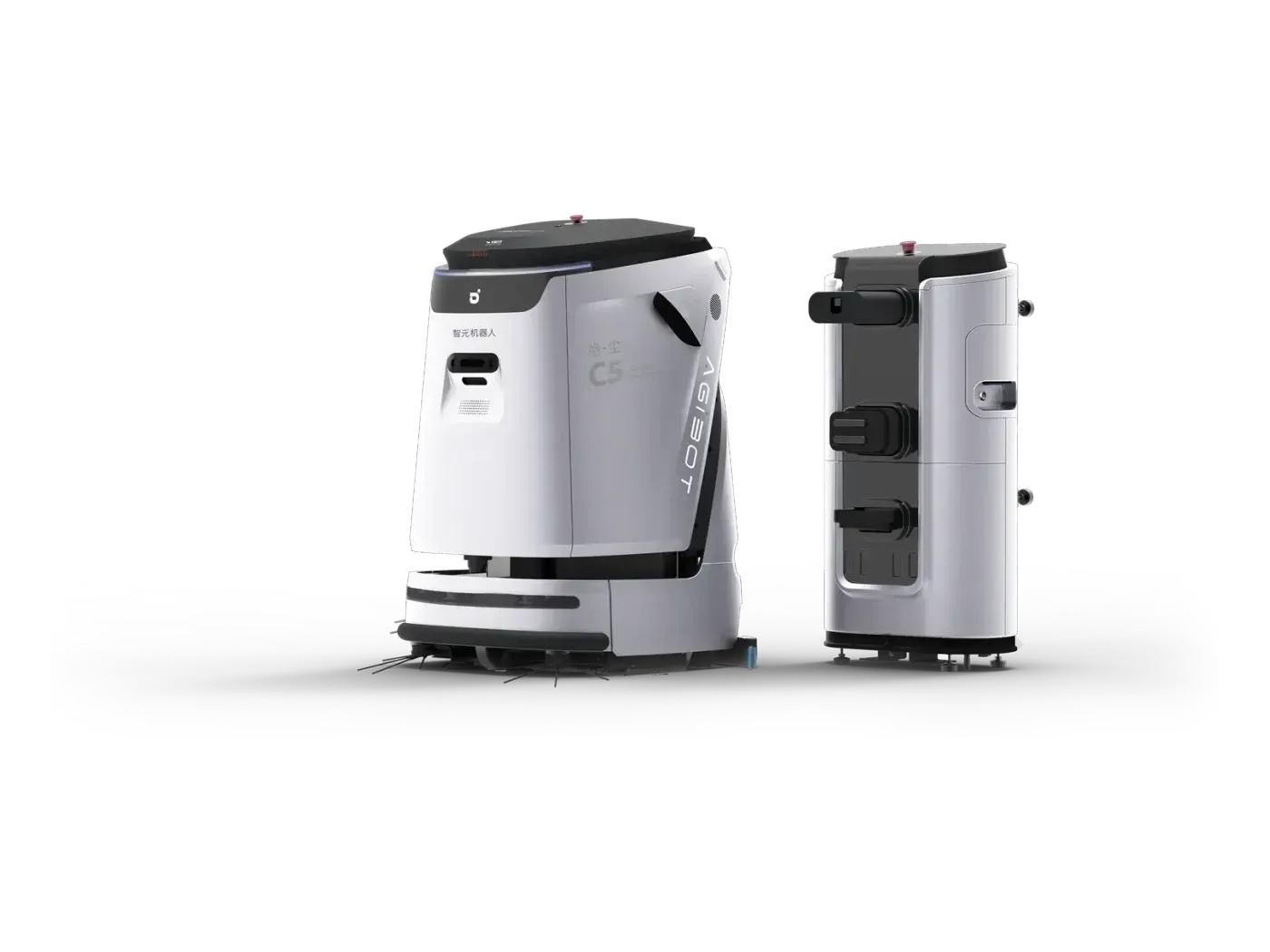
Each project states the venue, the scale and the result the site tracks. Client names are withheld; figures are reported as the project supplied them.