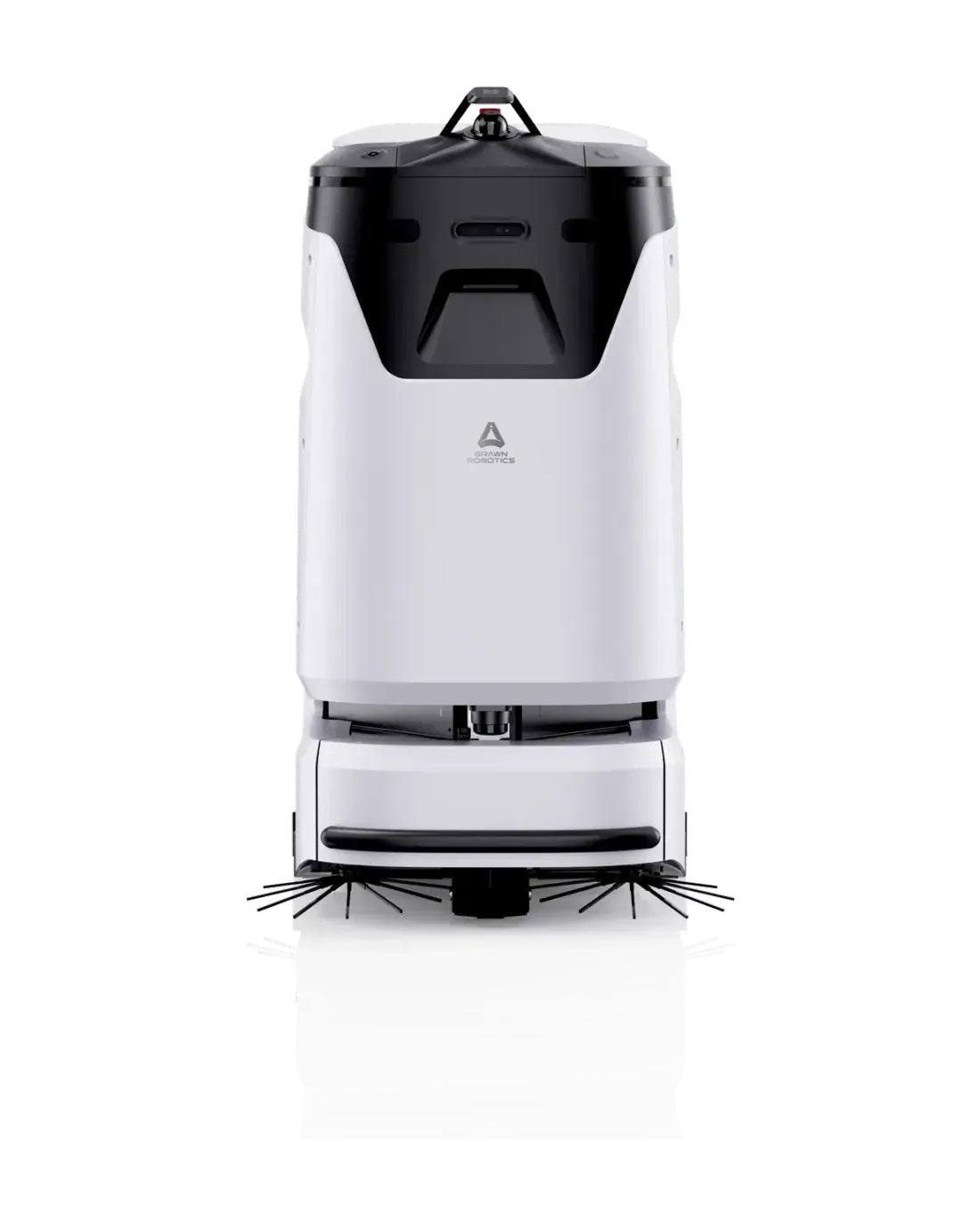
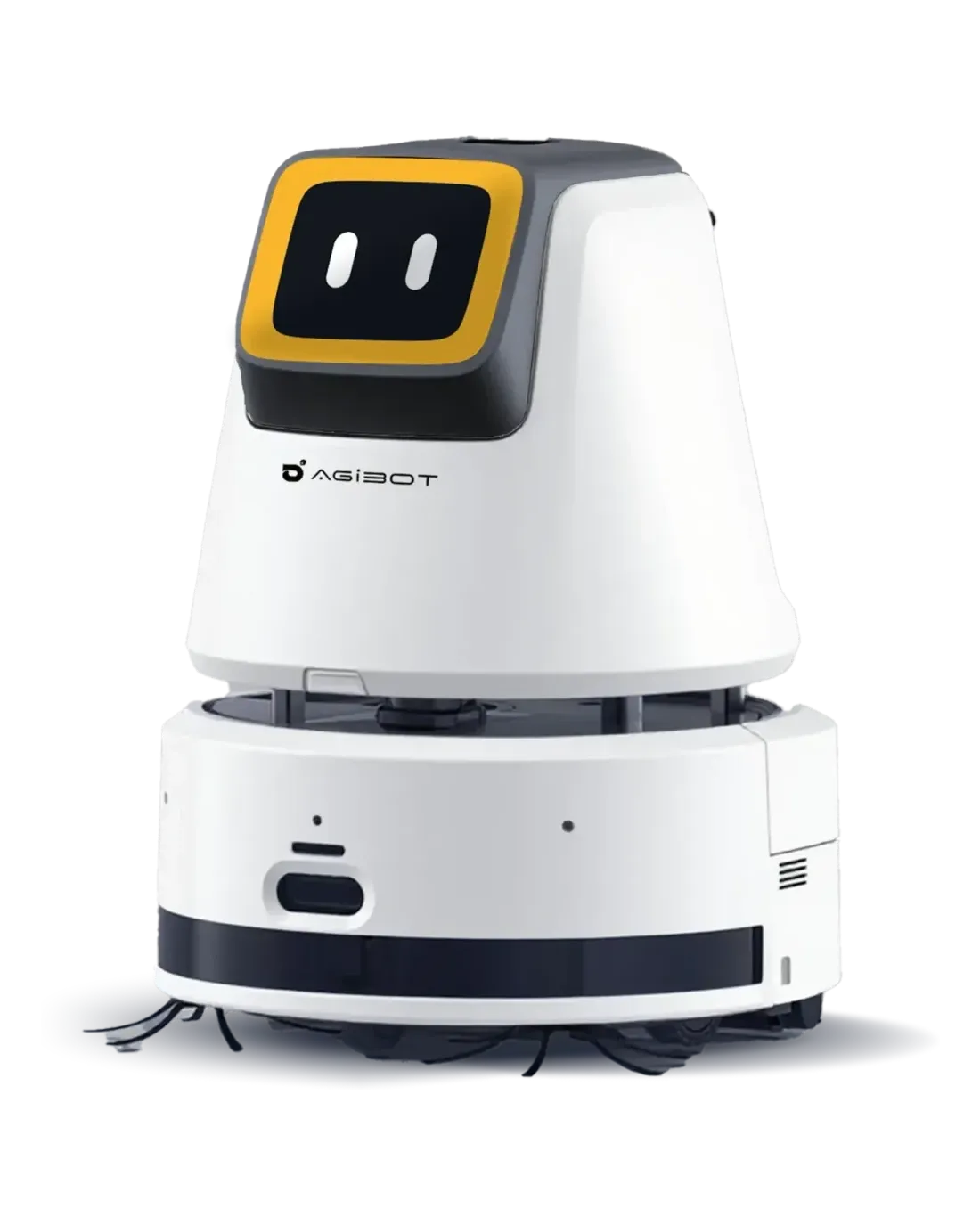
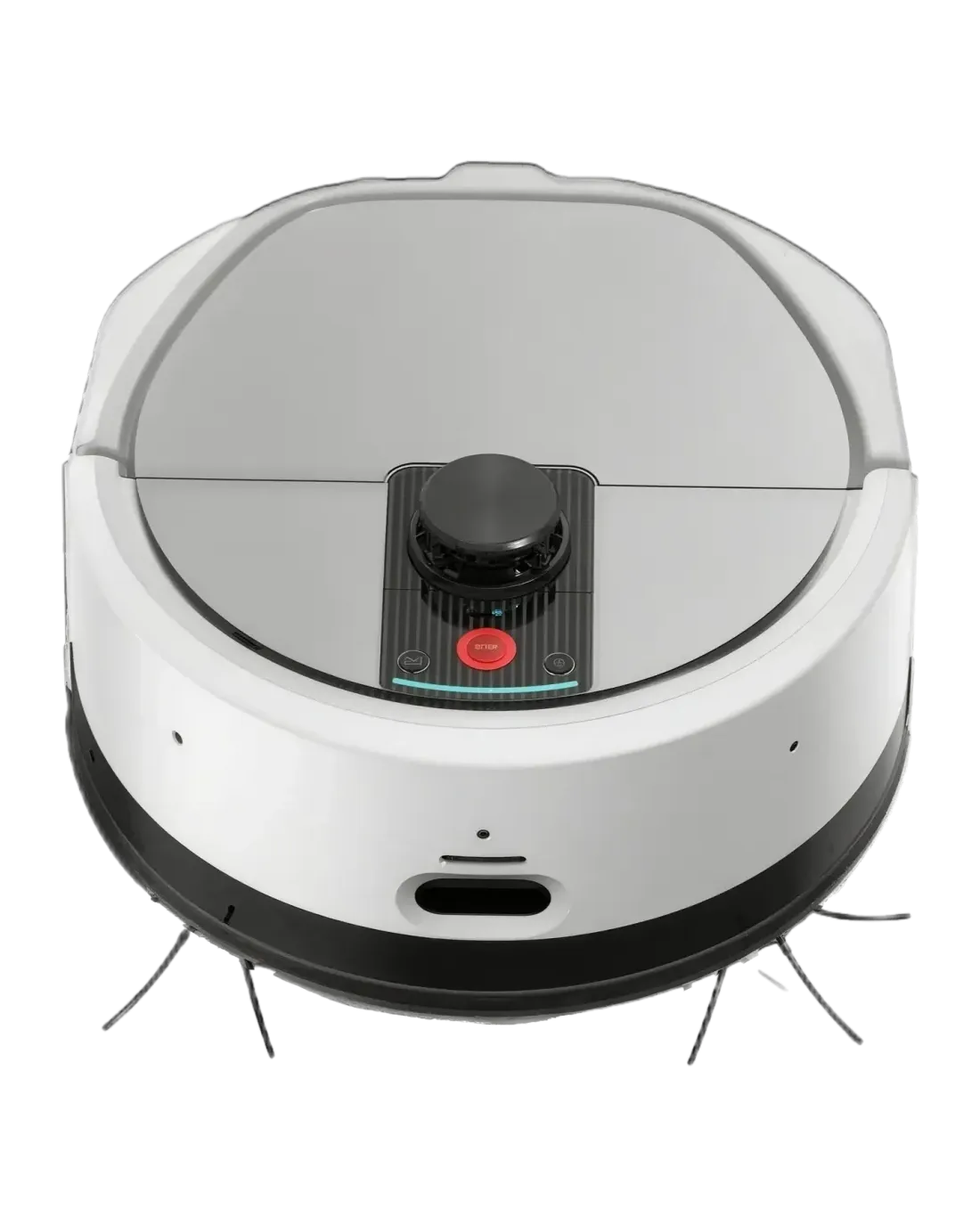
Real-time maintenance
High-visibility areas need to look clean at any moment, not just after the morning shift.
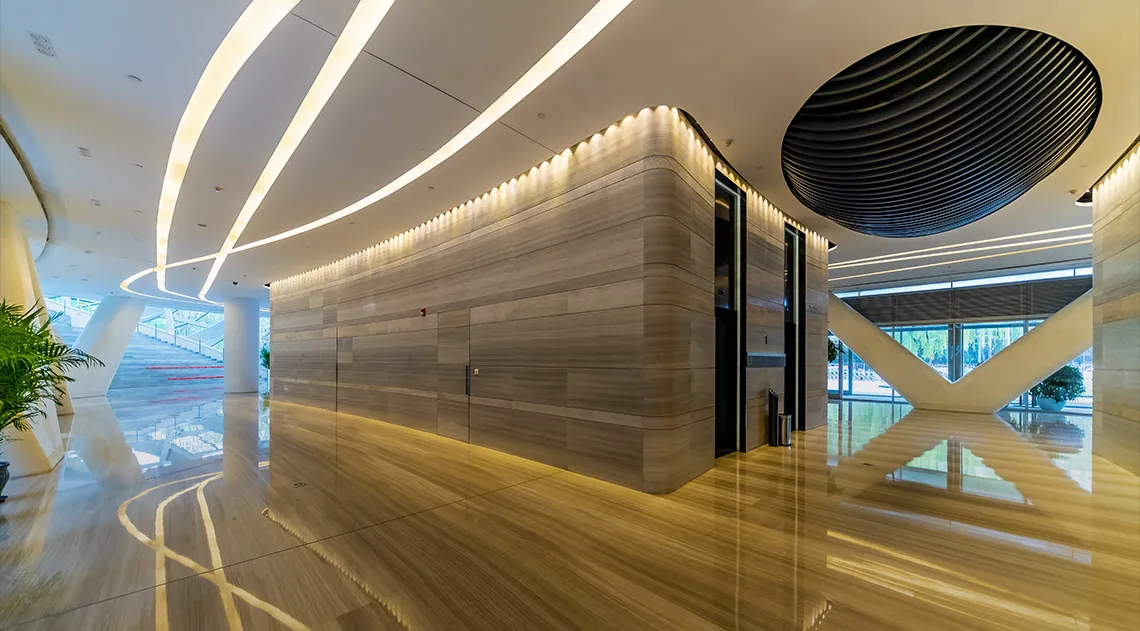
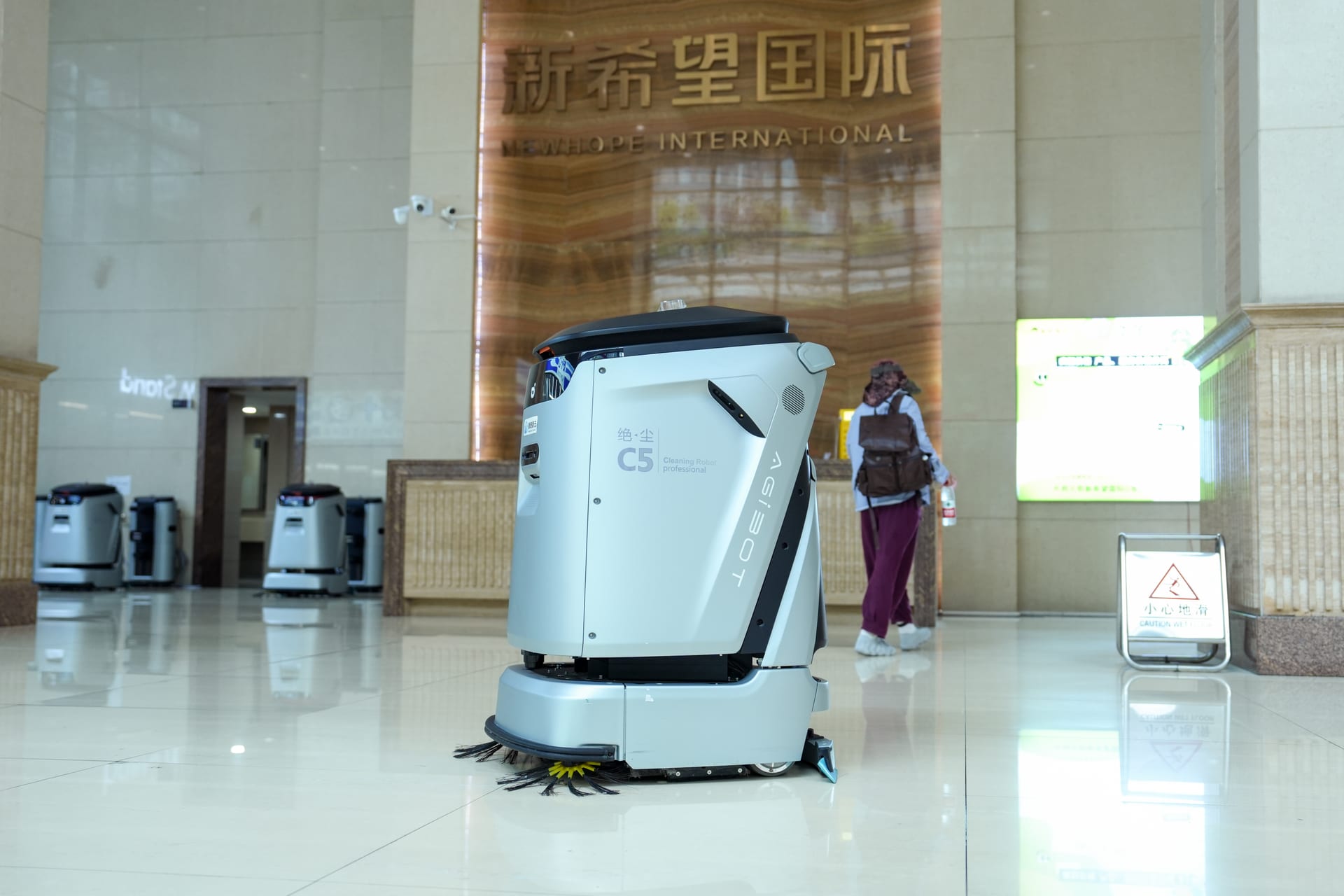
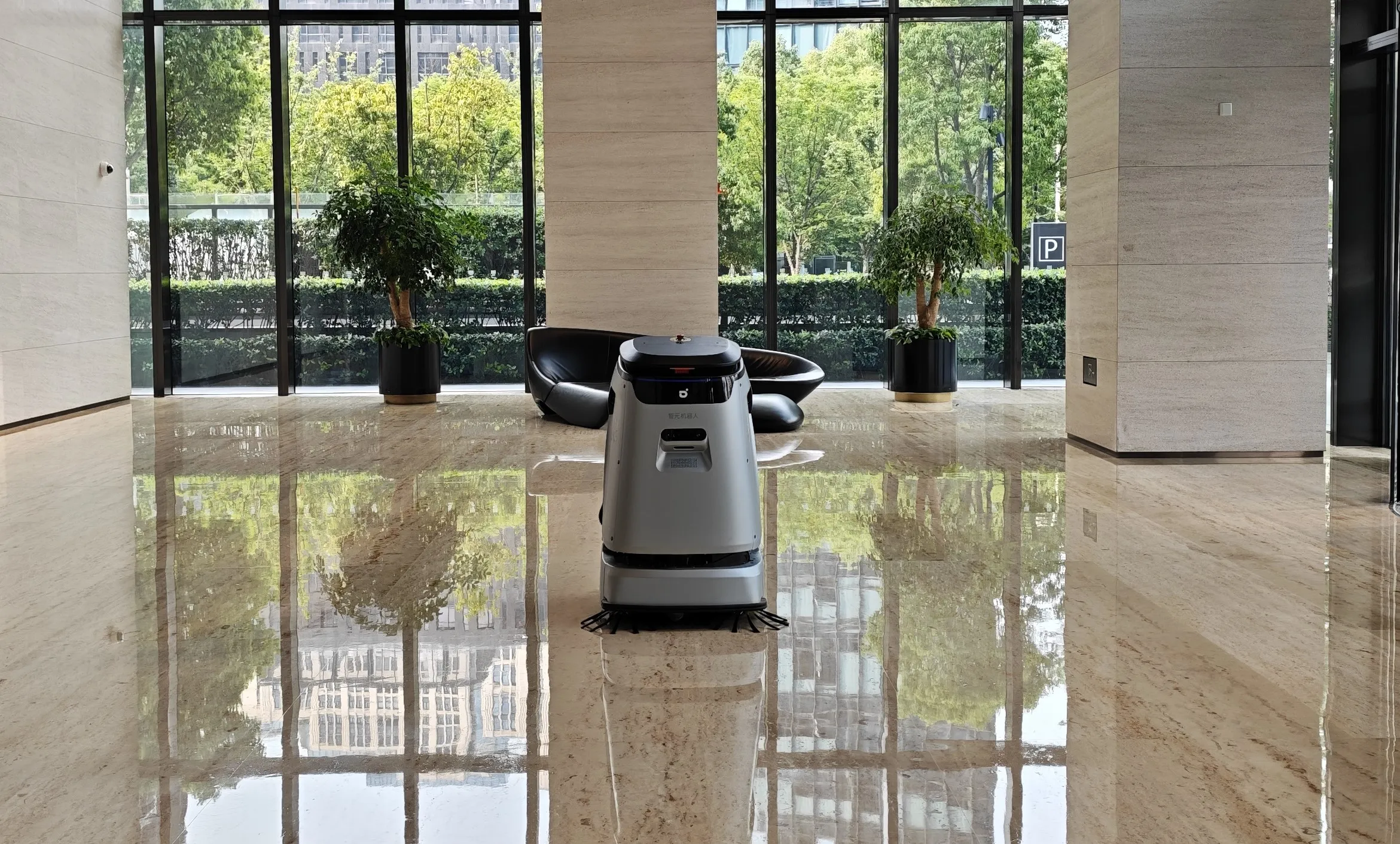
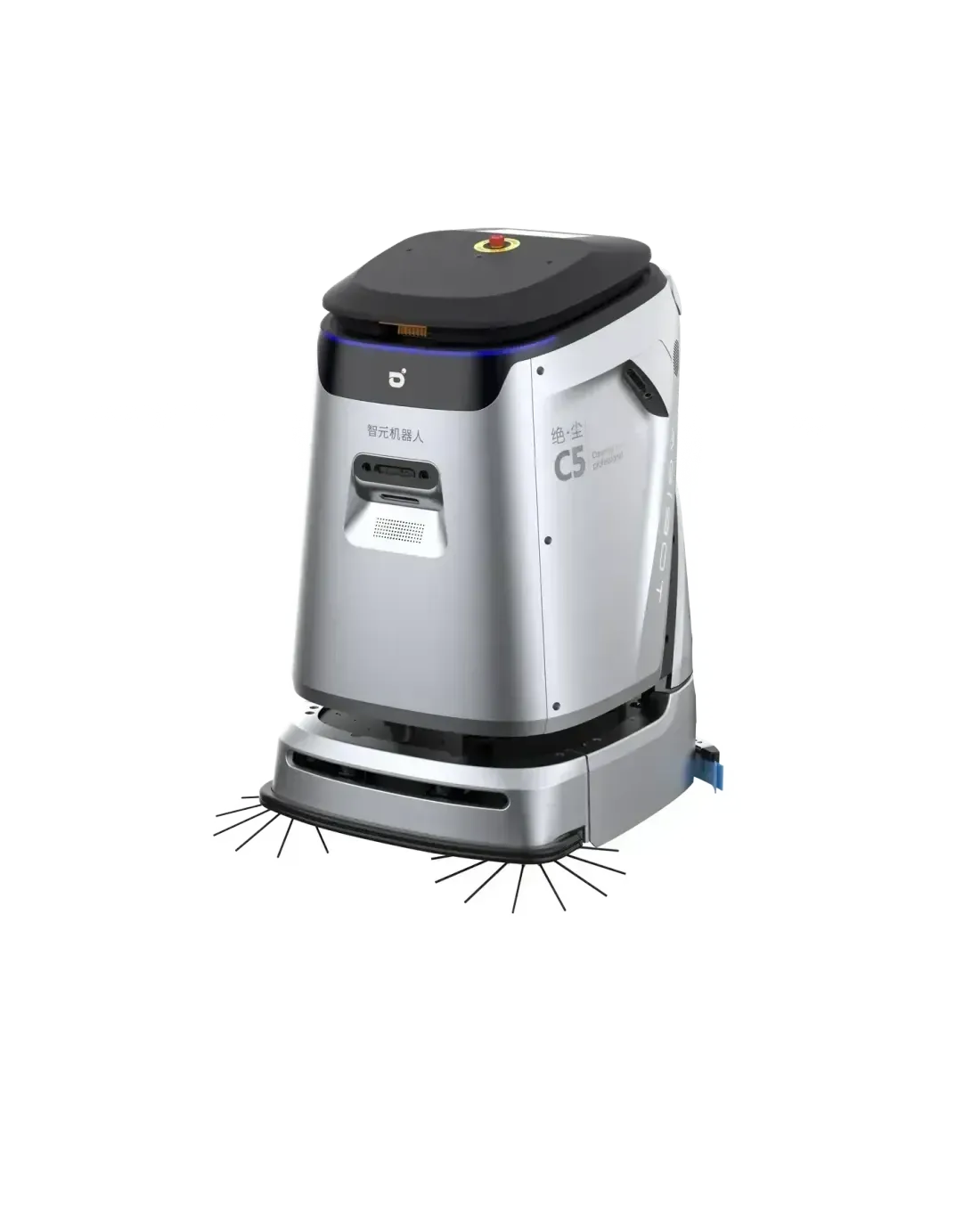
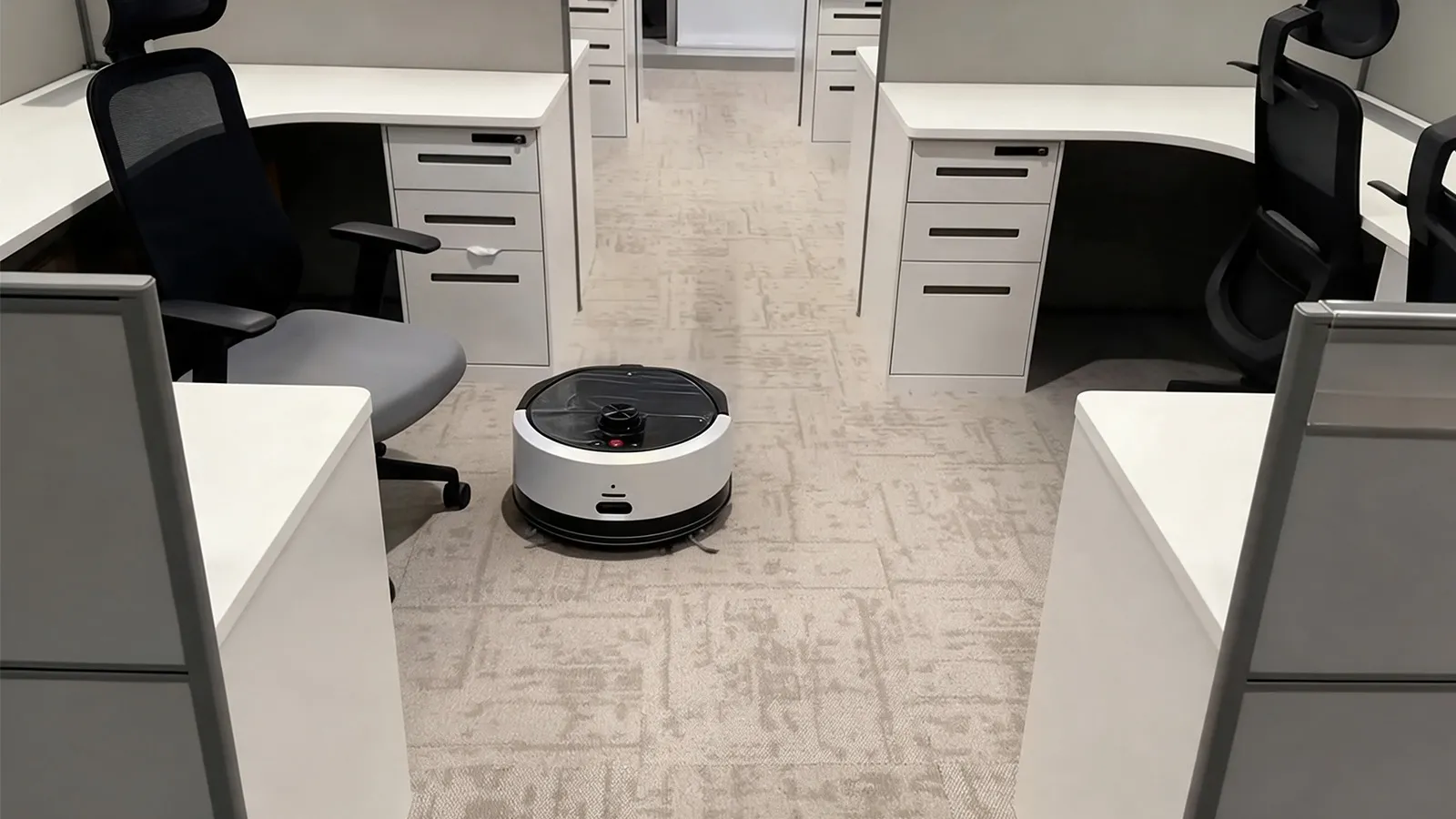
Lobbies and corridors are the most visible surfaces in a building, and the floor materials are not forgiving. C2 wet-mops quietly; C5 takes the large public areas at night.
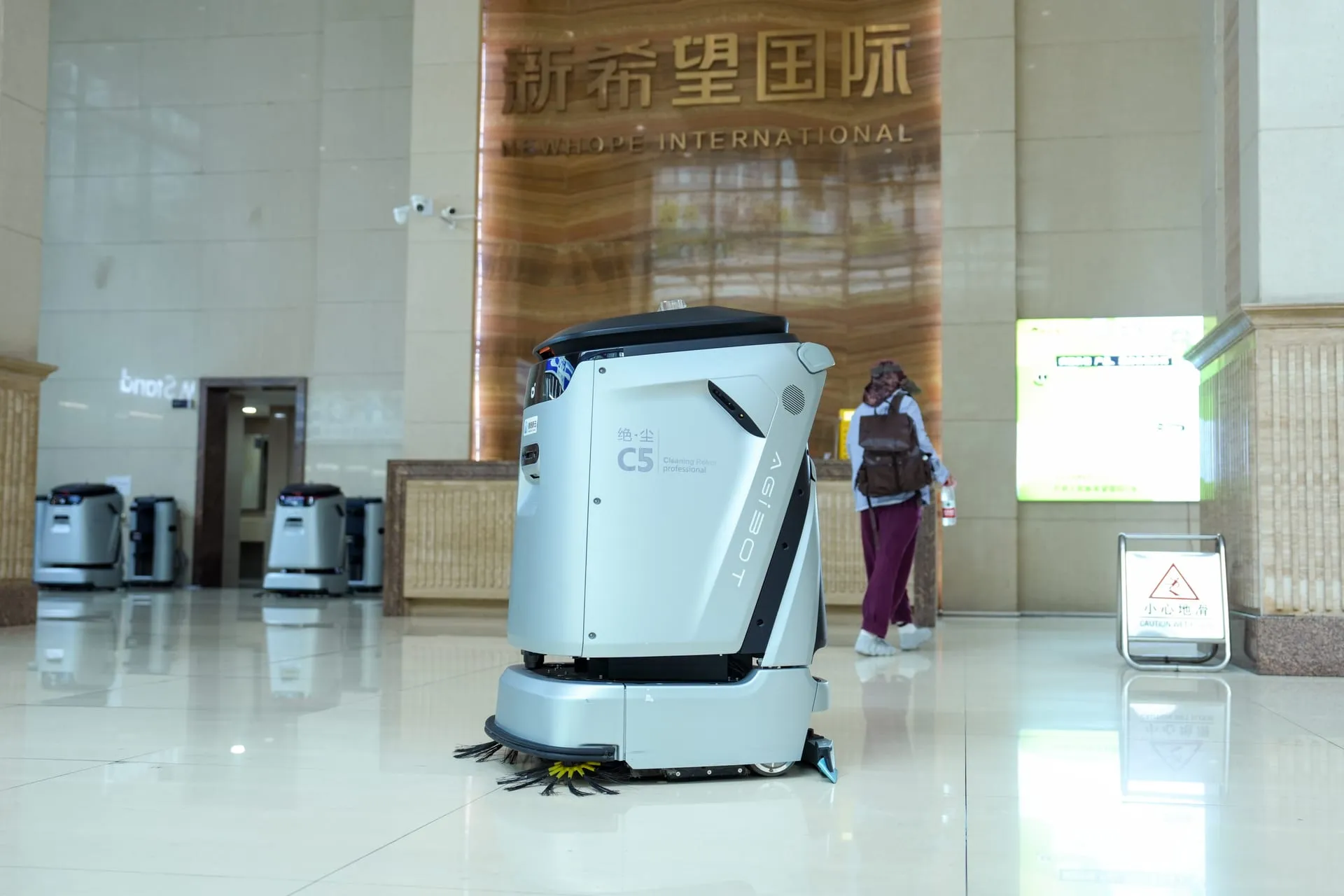
Oil, dust, footfall and the hours you can clean decide the plan before a model does.
High-visibility areas need to look clean at any moment, not just after the morning shift.
Peak hours create concentrated cleaning demand while core areas must stay available to tenants.
High-end surfaces are difficult to maintain, and a poor cleaning image does not match the building.
The machines, the zones they cover and the records that prove what happened.
Three choices that change how the site runs.
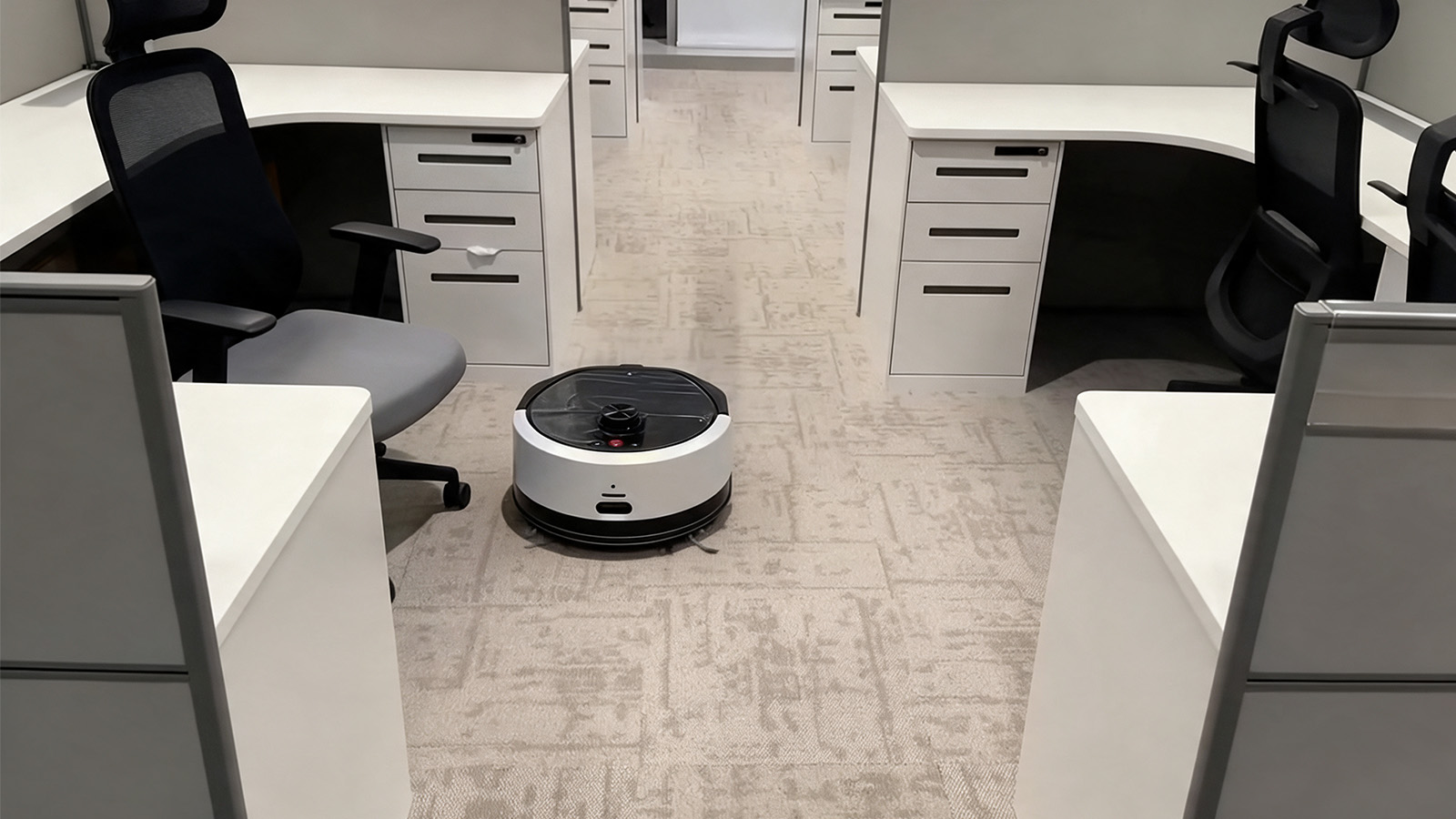
C2 combines vacuum-sweeping, scrub-sweeping and wet mopping, handling the range of surfaces found in a lobby.
Deep-learning algorithms adjust the cleaning mode to the floor material automatically.
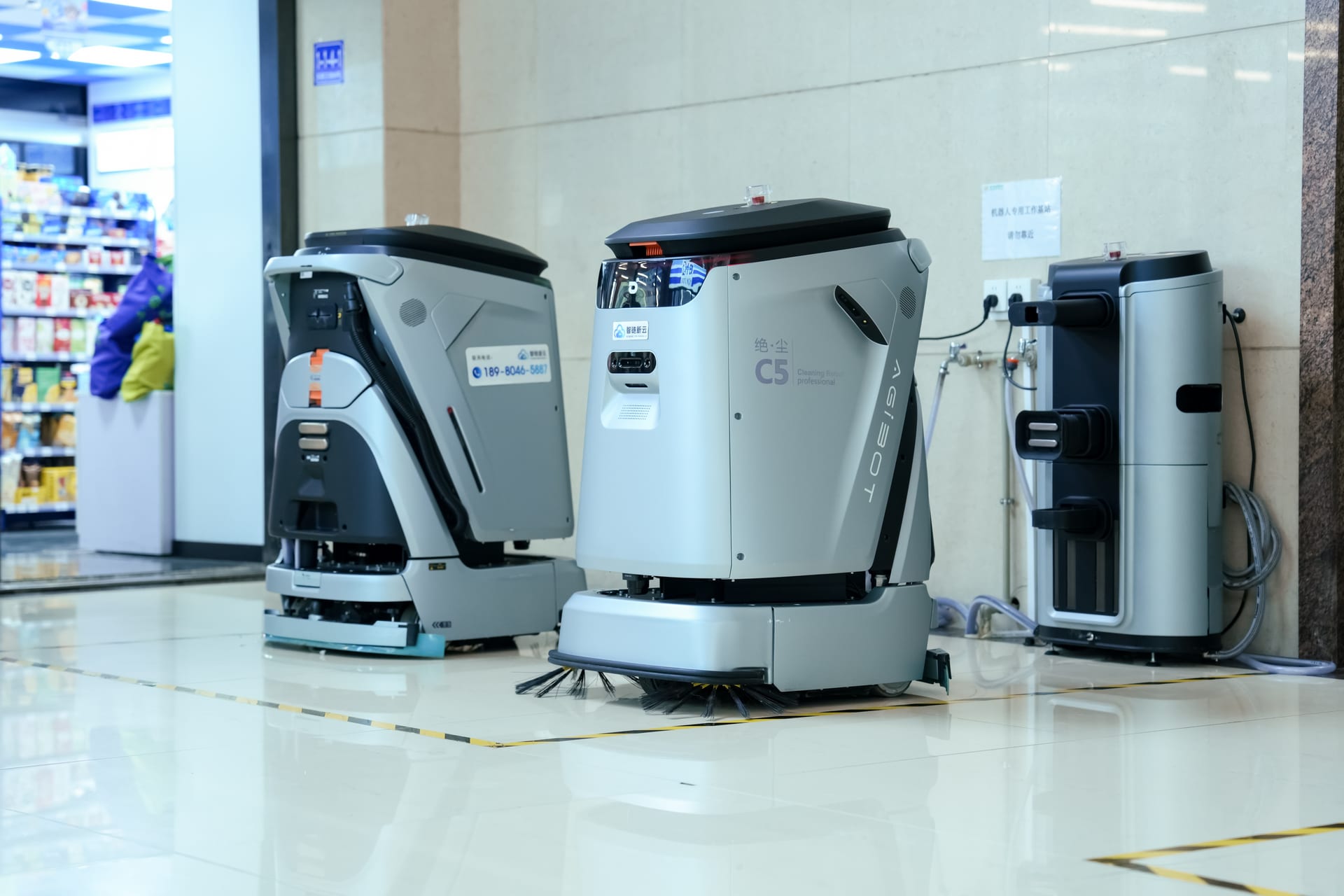
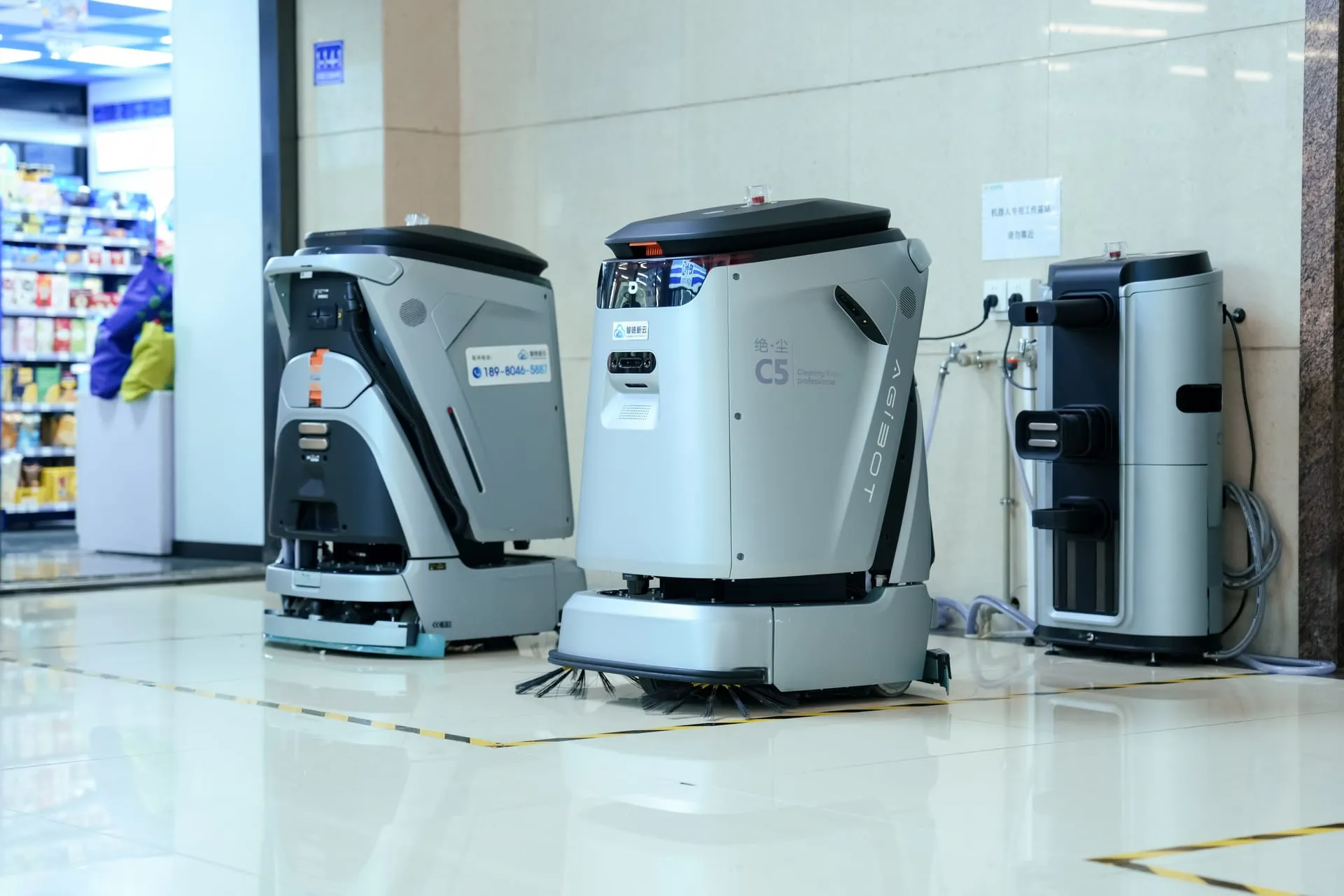
The docking station provides automatic dust collection and mop drying, reducing manual intervention and preventing odour.
Zone by zone, in the order the site actually runs them.
The same work, before and after, on the metrics that matter to this site.
| Metric | Manual cleaning | With BRAWN robots |
|---|---|---|
| Cleaning frequency | Patrol-based manual cleaning | Continuous wet mopping |
| Noise during the day | Daytime cleaning disturbs offices | Quiet wet mopping, no disturbance |
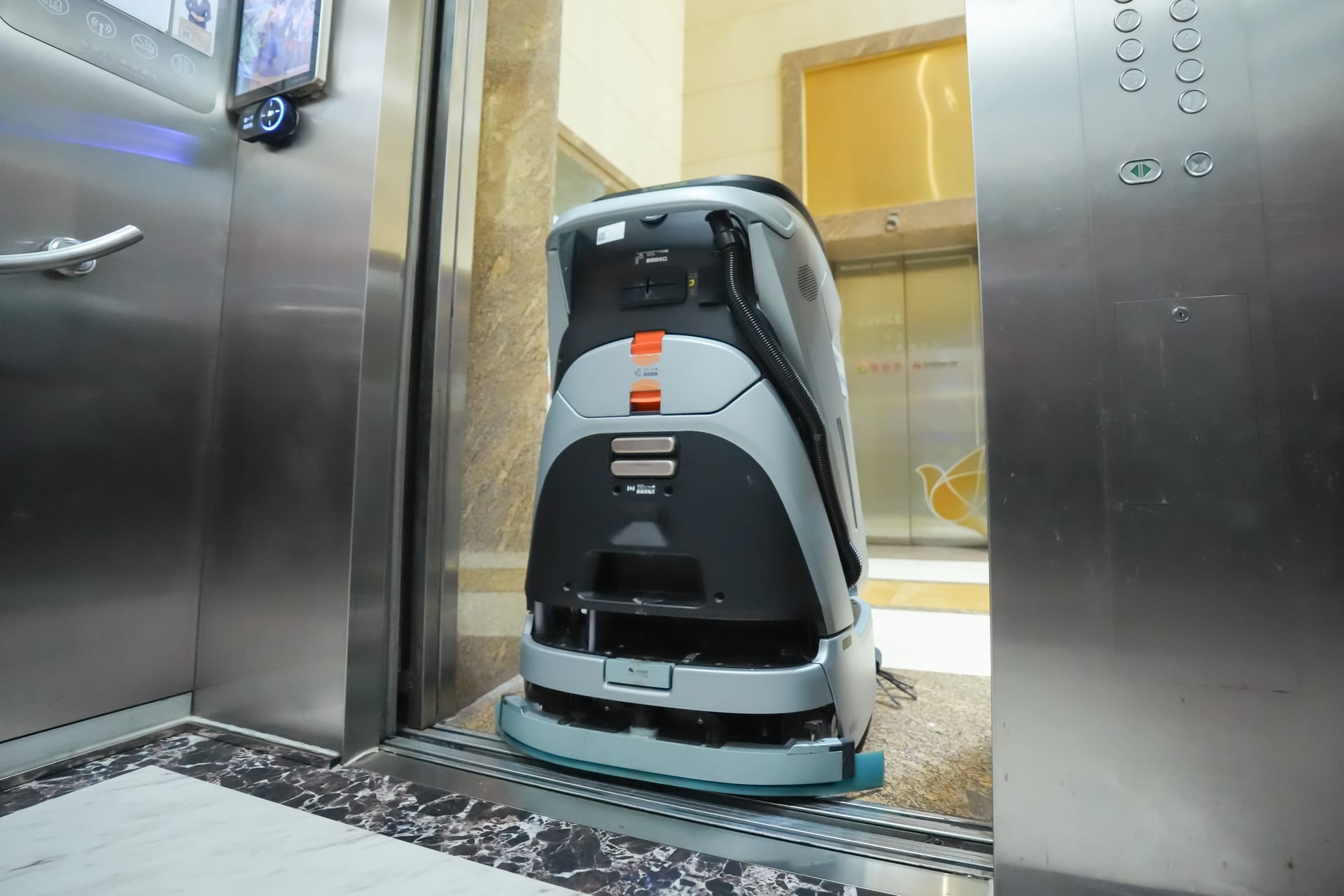
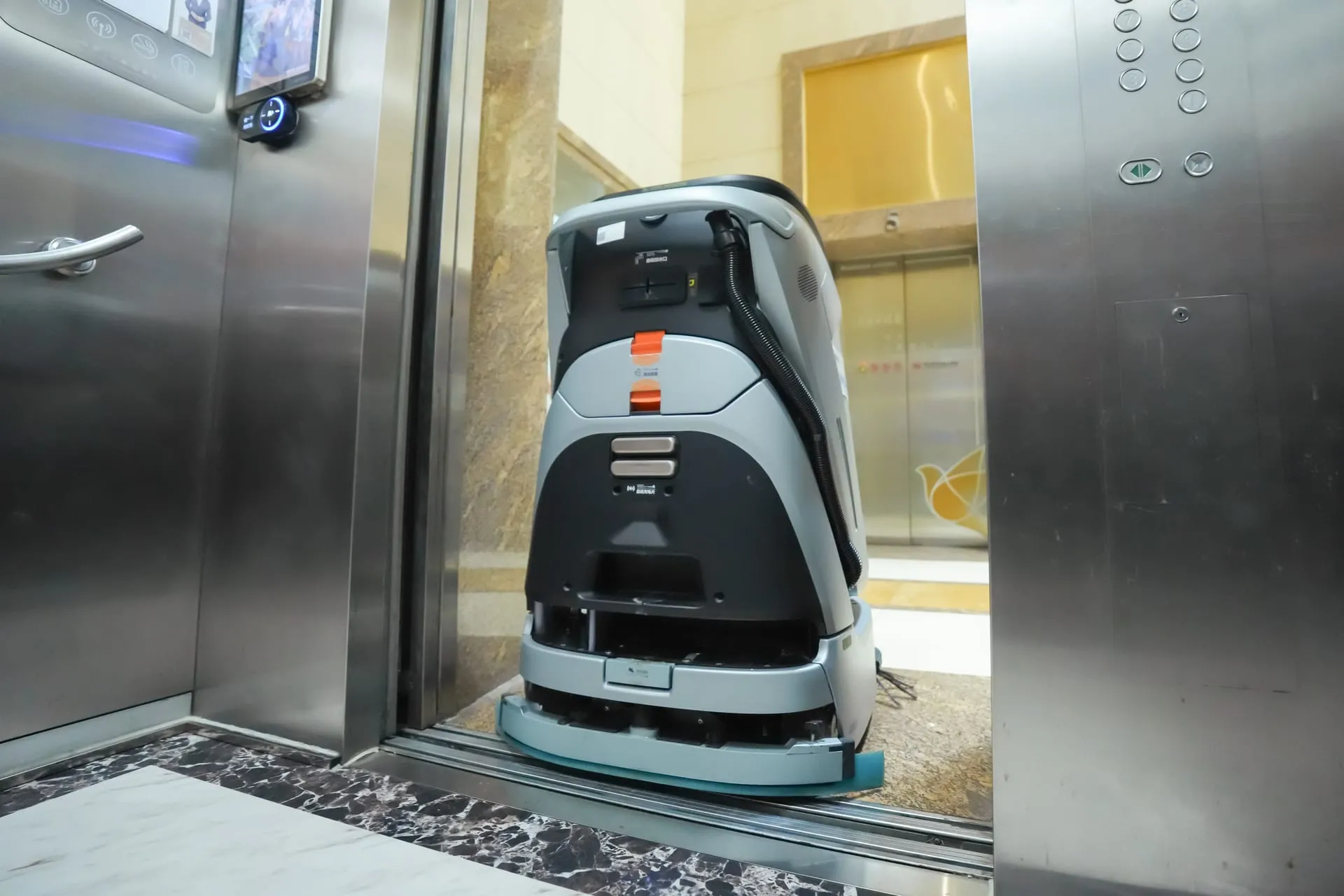
| Moving between floors | Equipment carried by staff | Docking station plus lift control |
Comparison figures are typical-scenario estimates from the solution handbook, not client measurements.
From the first survey to a running fleet: the same four steps on every project.
A walk-through of areas, surfaces, obstacles, lift and access-control conditions, plus the plumbing available for a docking station.
Model mix, zone plan, cleaning frequency and consumable estimate. A labour comparison is included only when the customer supplies a reliable baseline; the current answer set has no verified before-and-after labour case.
Staging plan, charging and docking positions, network and lift integration scope, and a training schedule for the operating team.
The cloud platform reports equipment status and faults, and self-check covers sensors, motors and the main controller. Partners receive remote technical support for genuine product faults; site-network, water or drainage problems remain site responsibilities.
The next scenarios in the line.