Oil and slip hazards
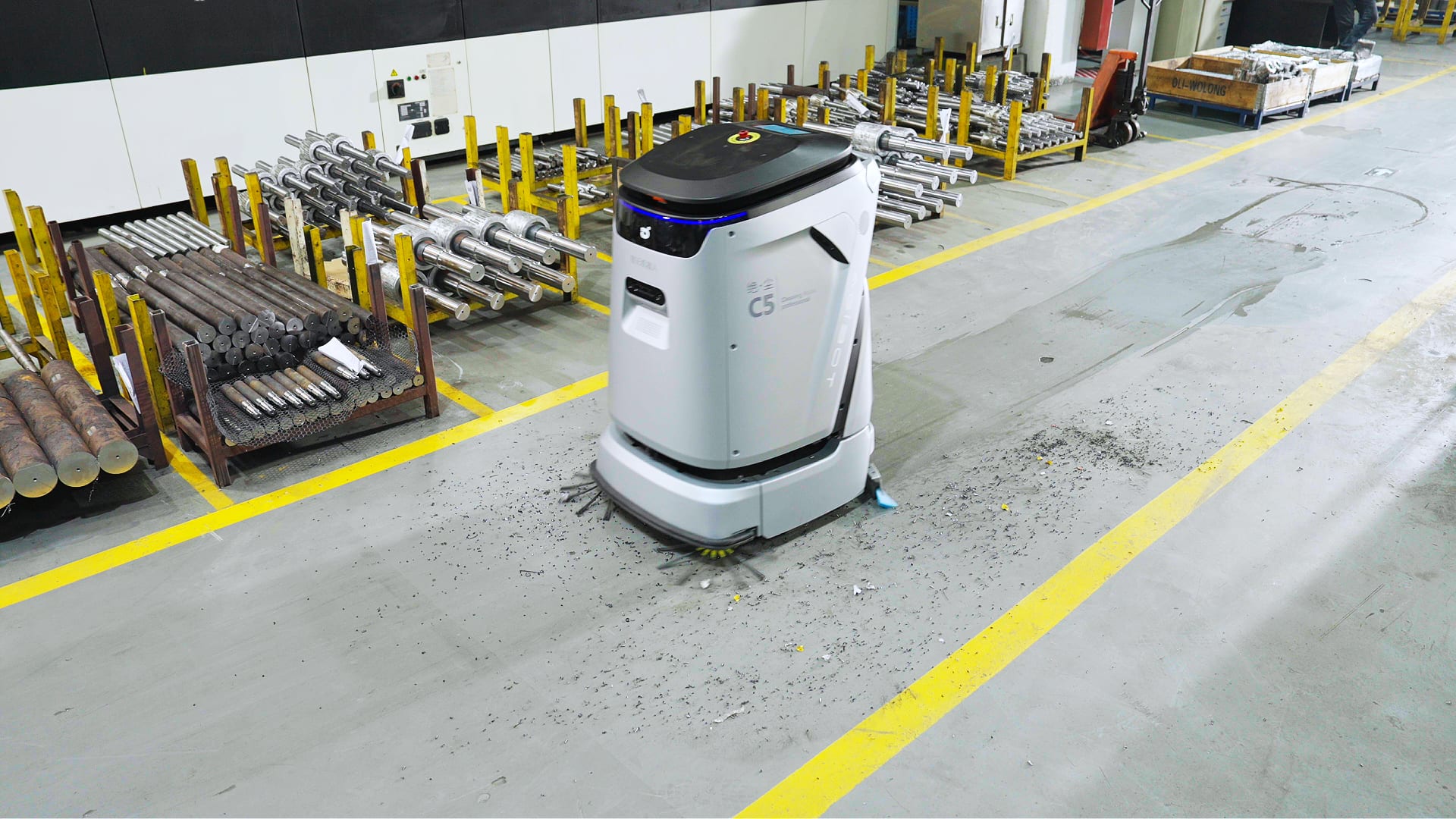
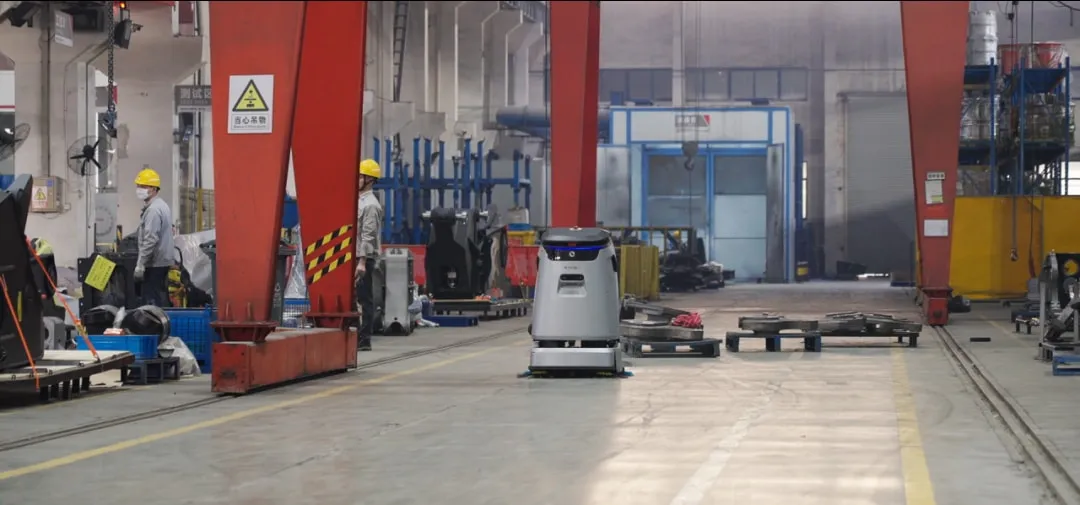
Heavy oil contamination on industrial floors creates high slip hazards, and harsh environments put workers at health risk.
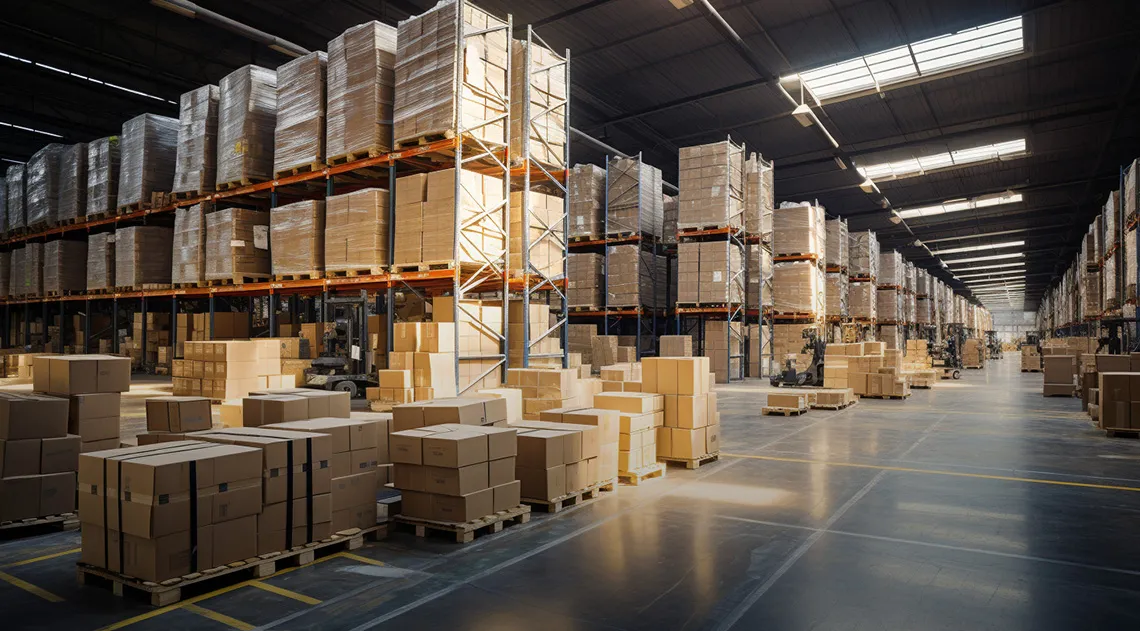
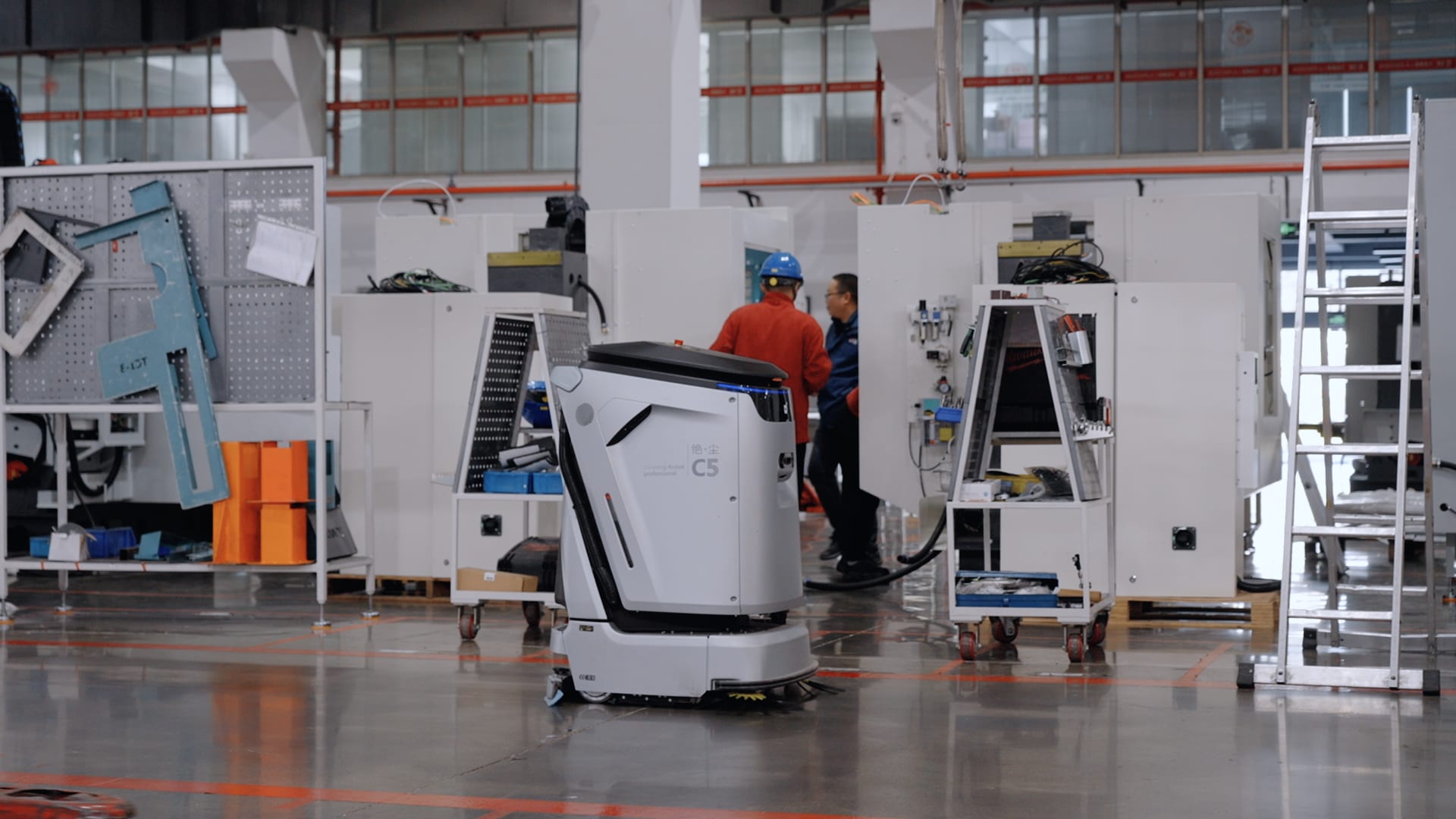
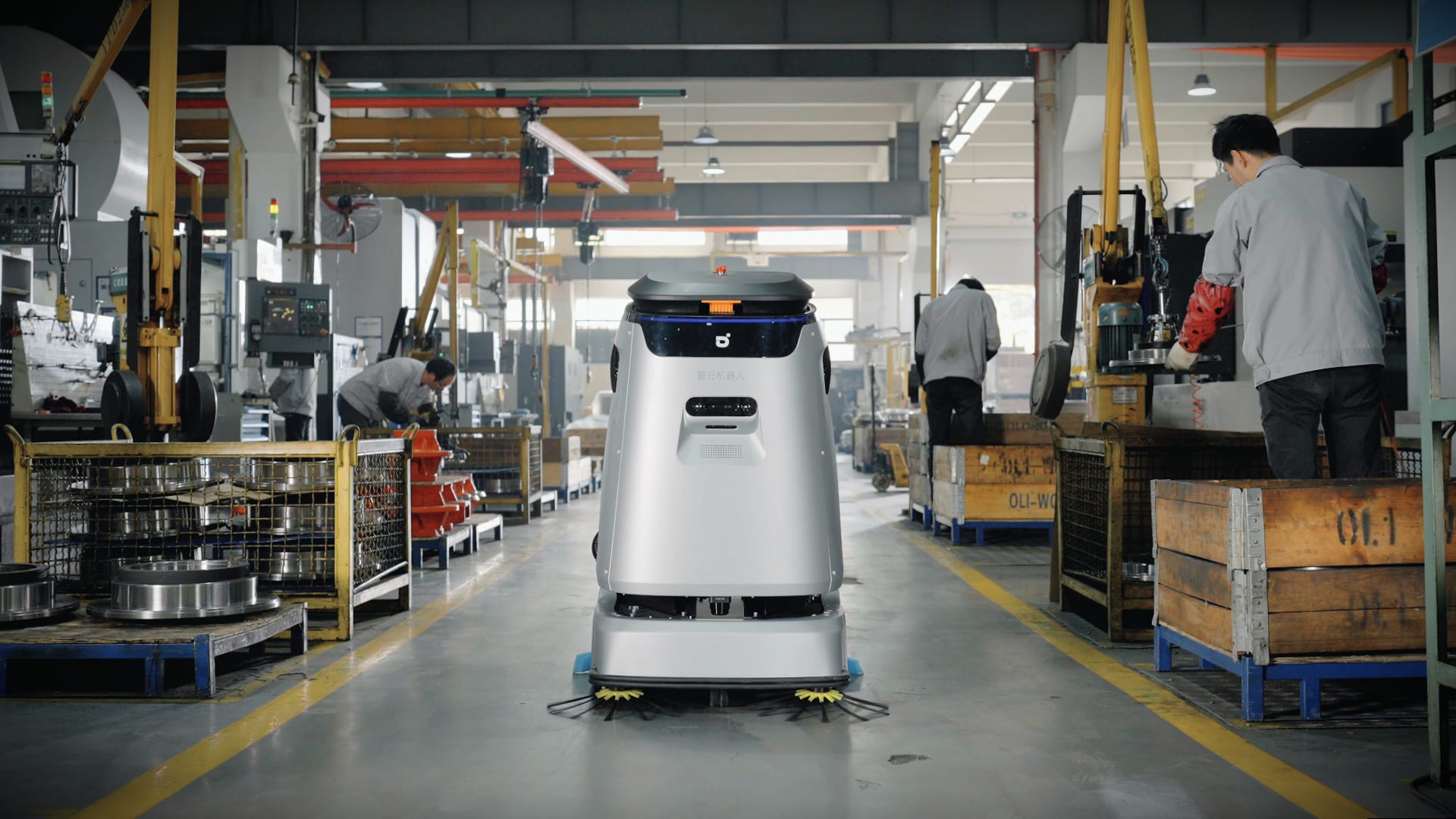
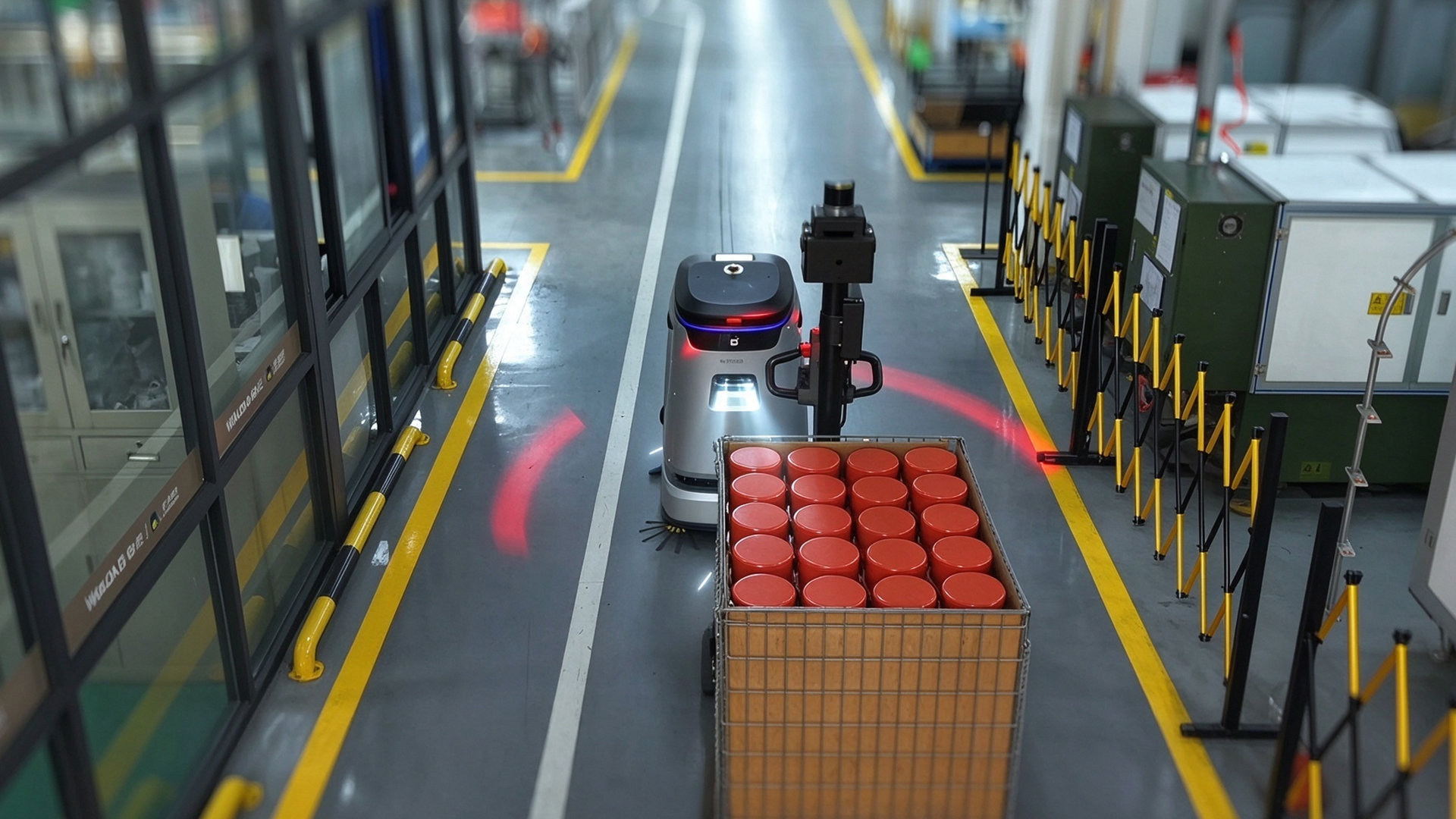
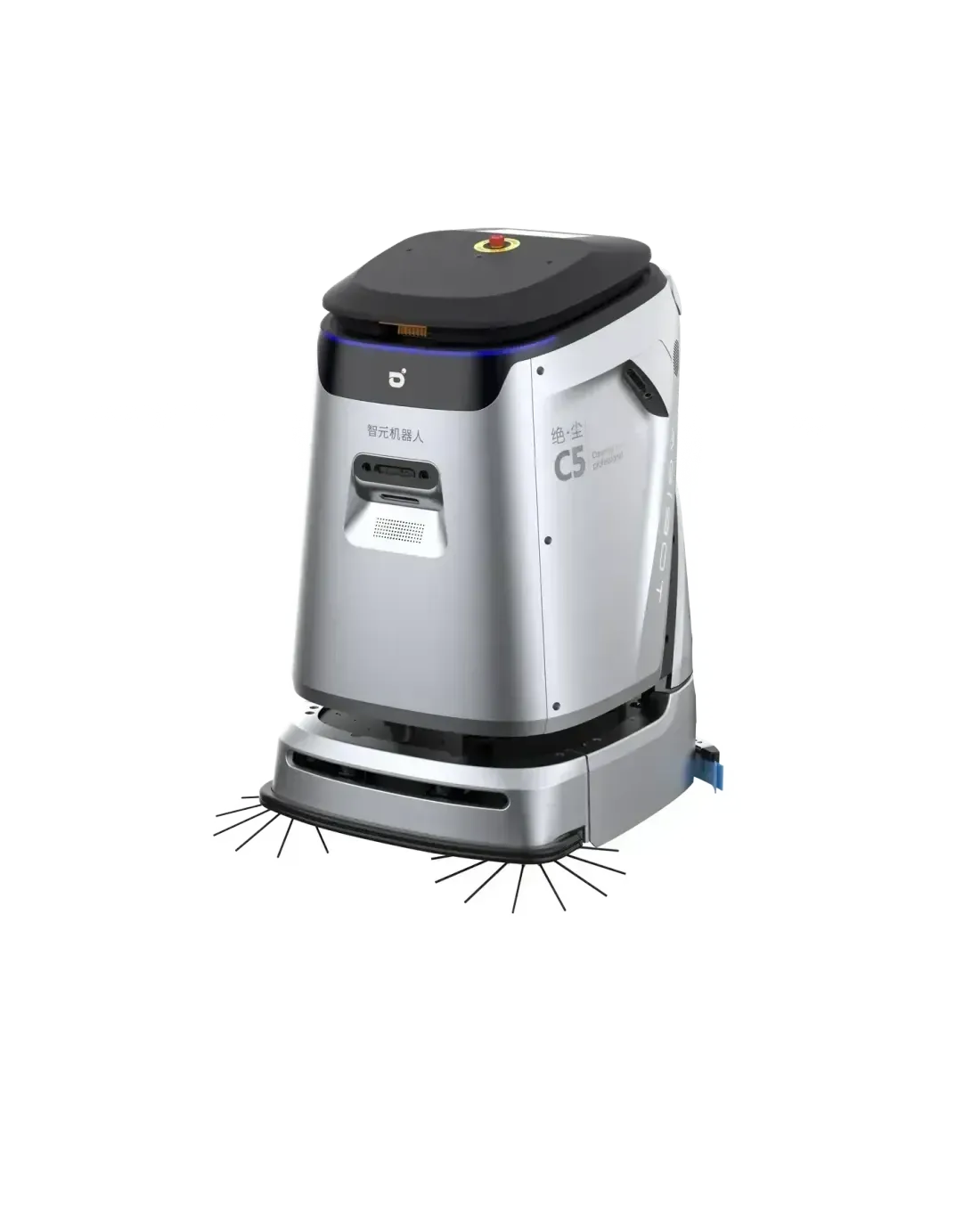
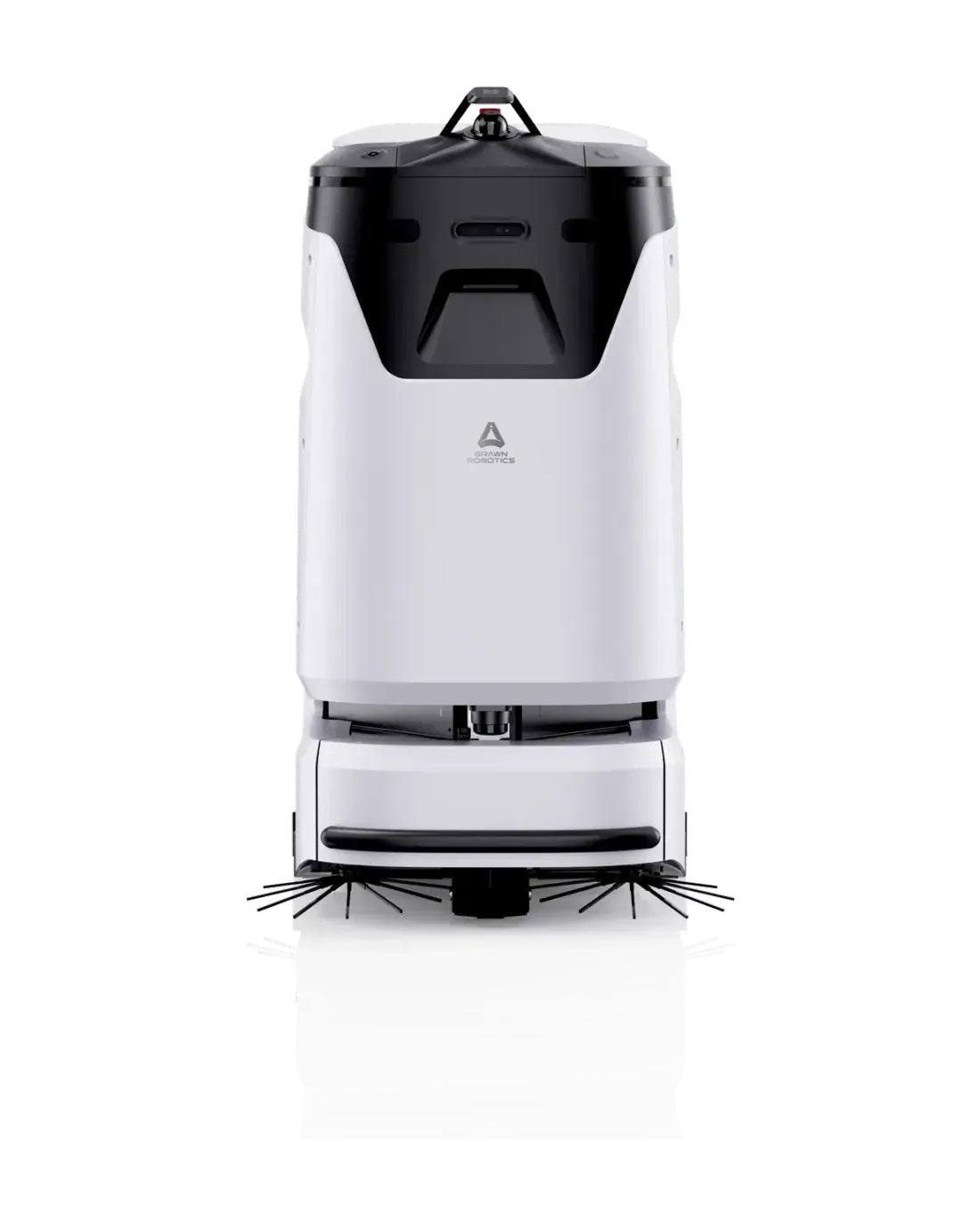
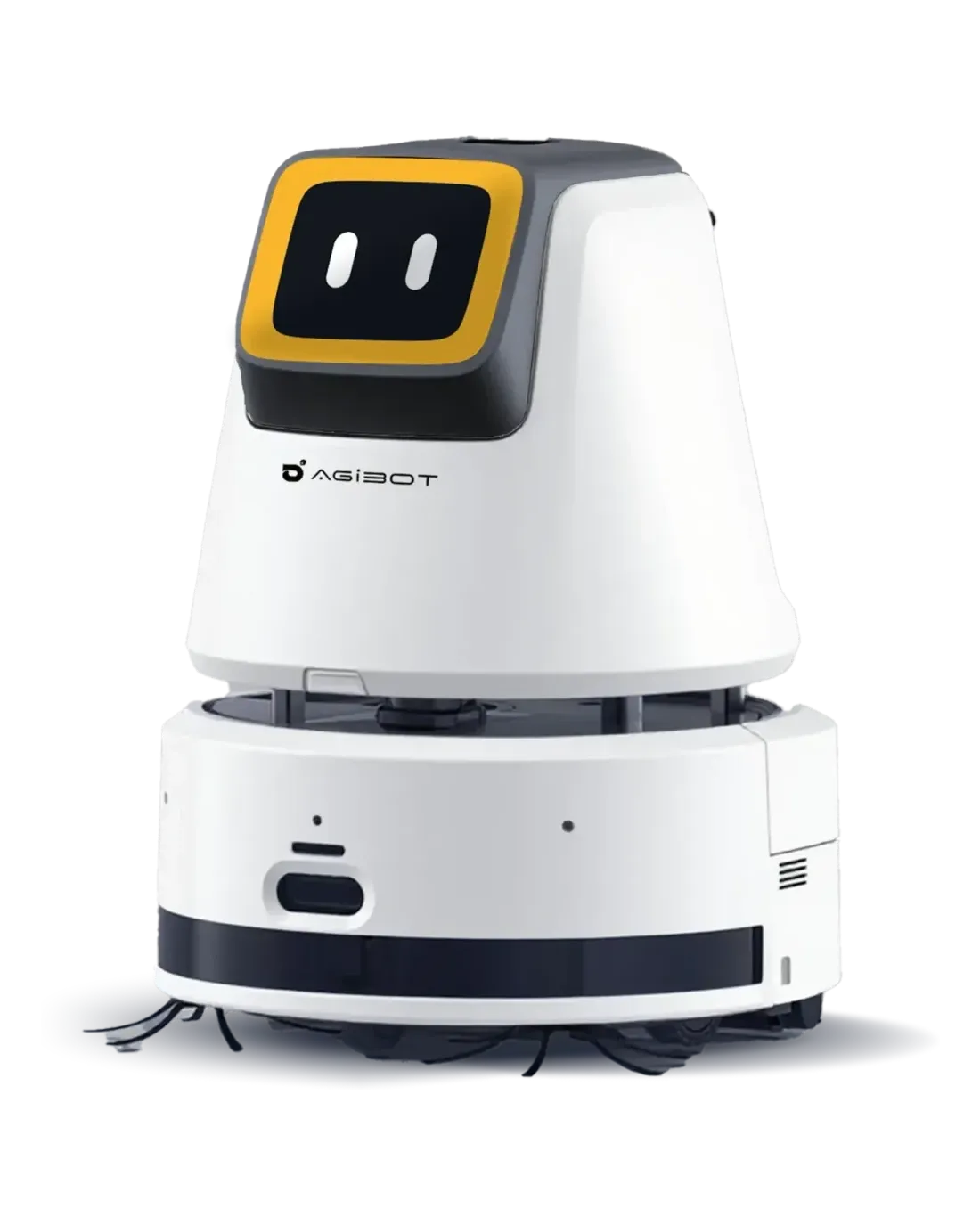
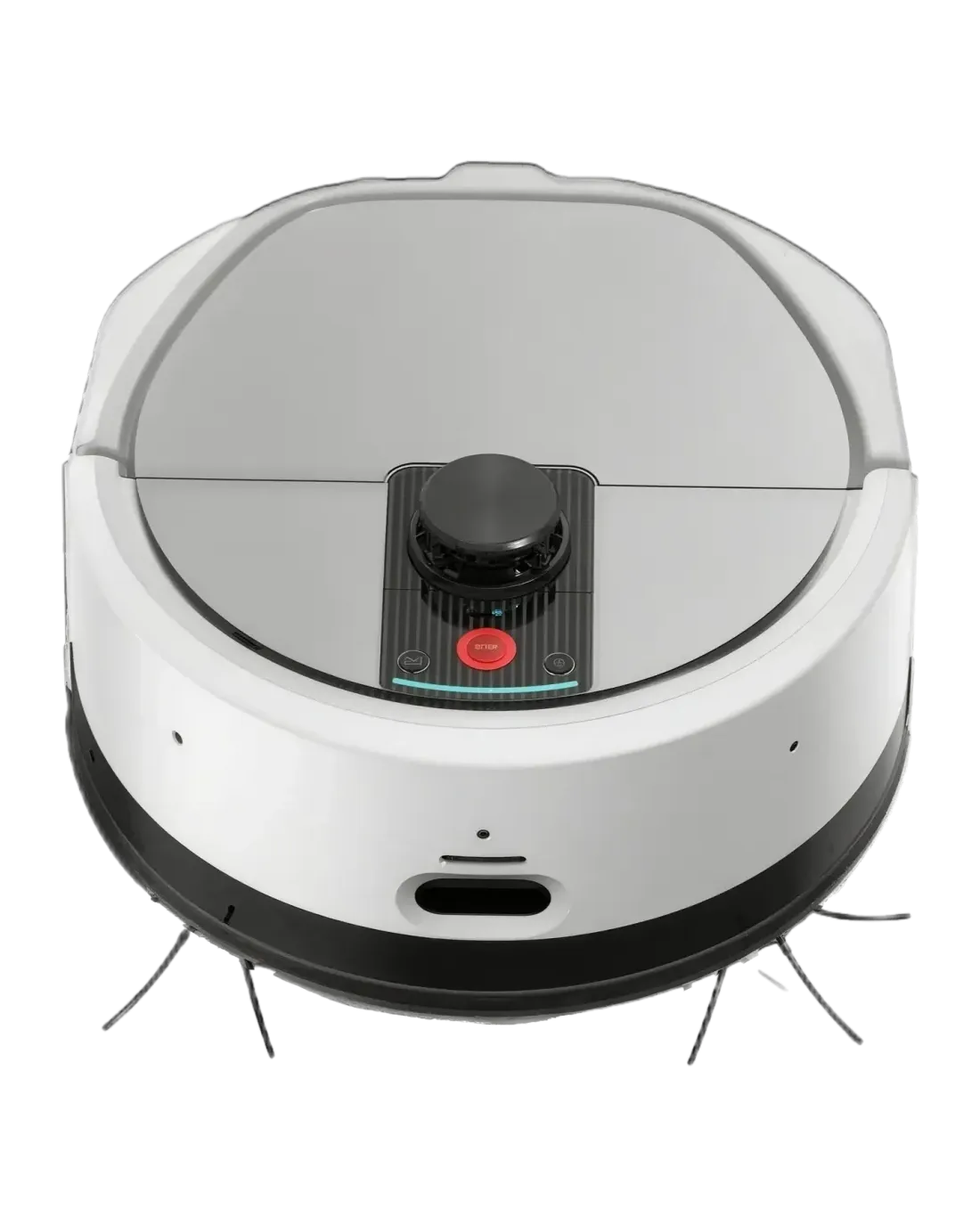
Industrial floors carry oil that turns into a slip hazard, and cleaning has to fit around production. C5 takes the scheduled scrubs and dust-mops; the crew keeps edges, spills and exceptions.
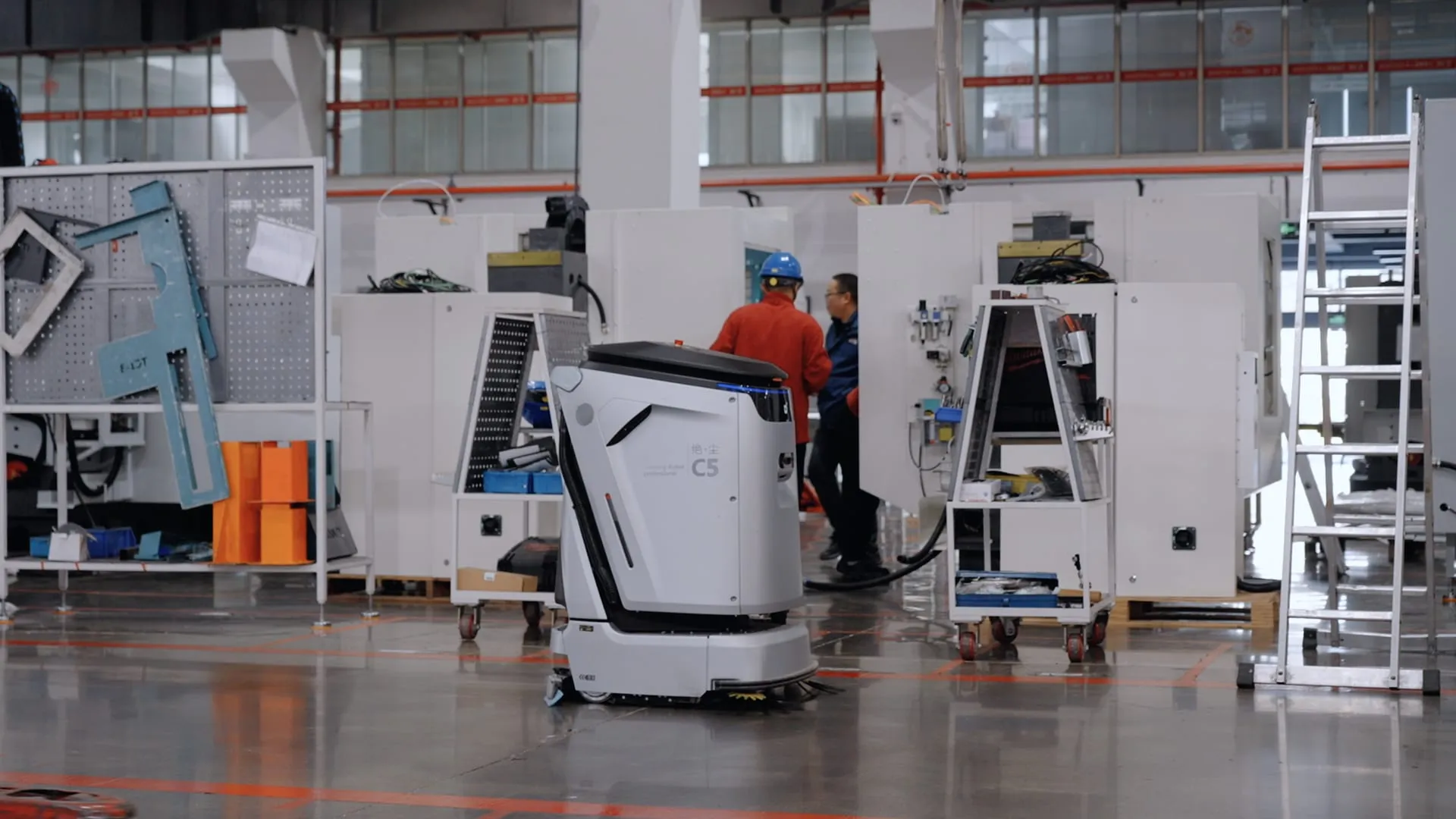
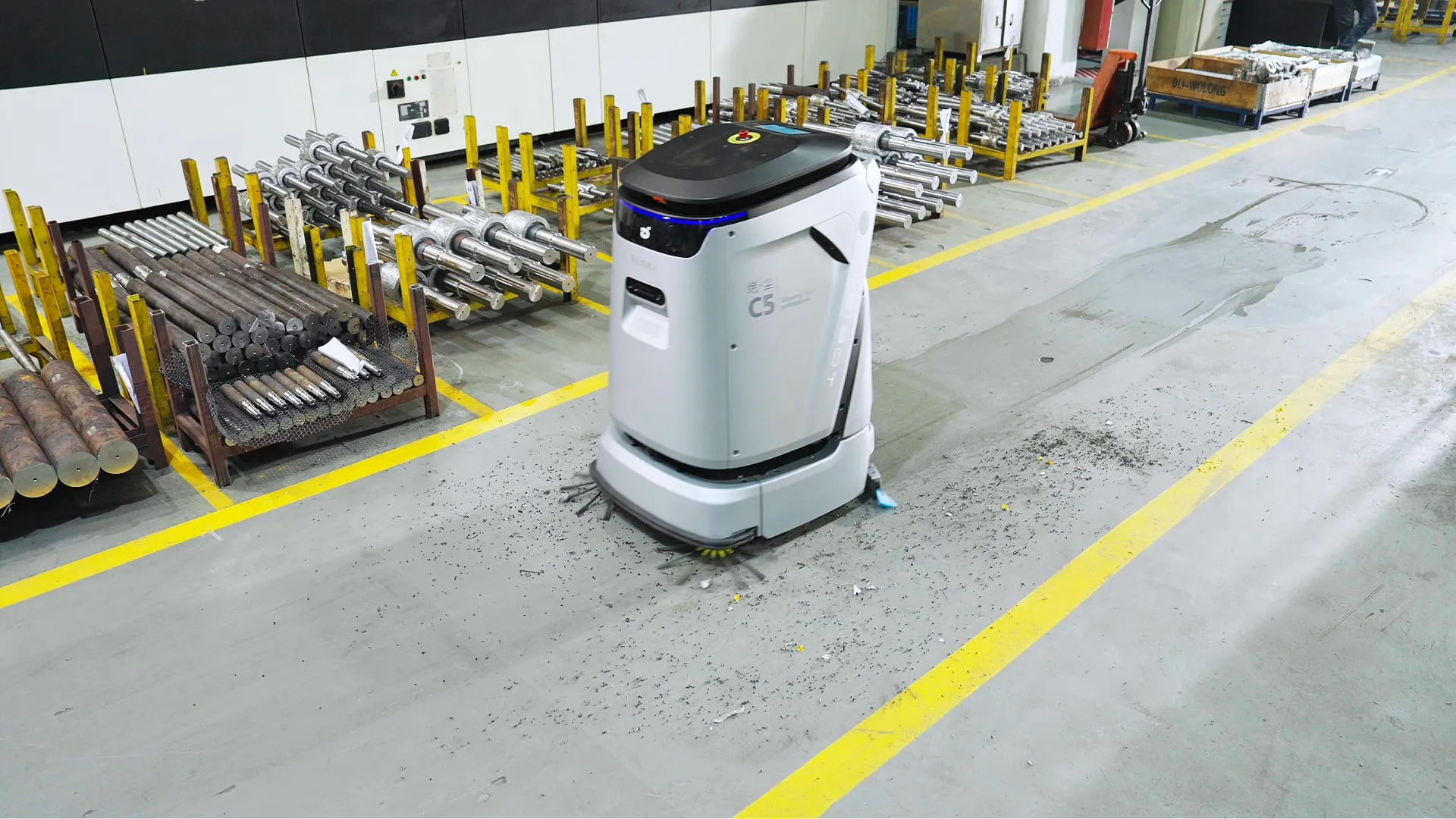
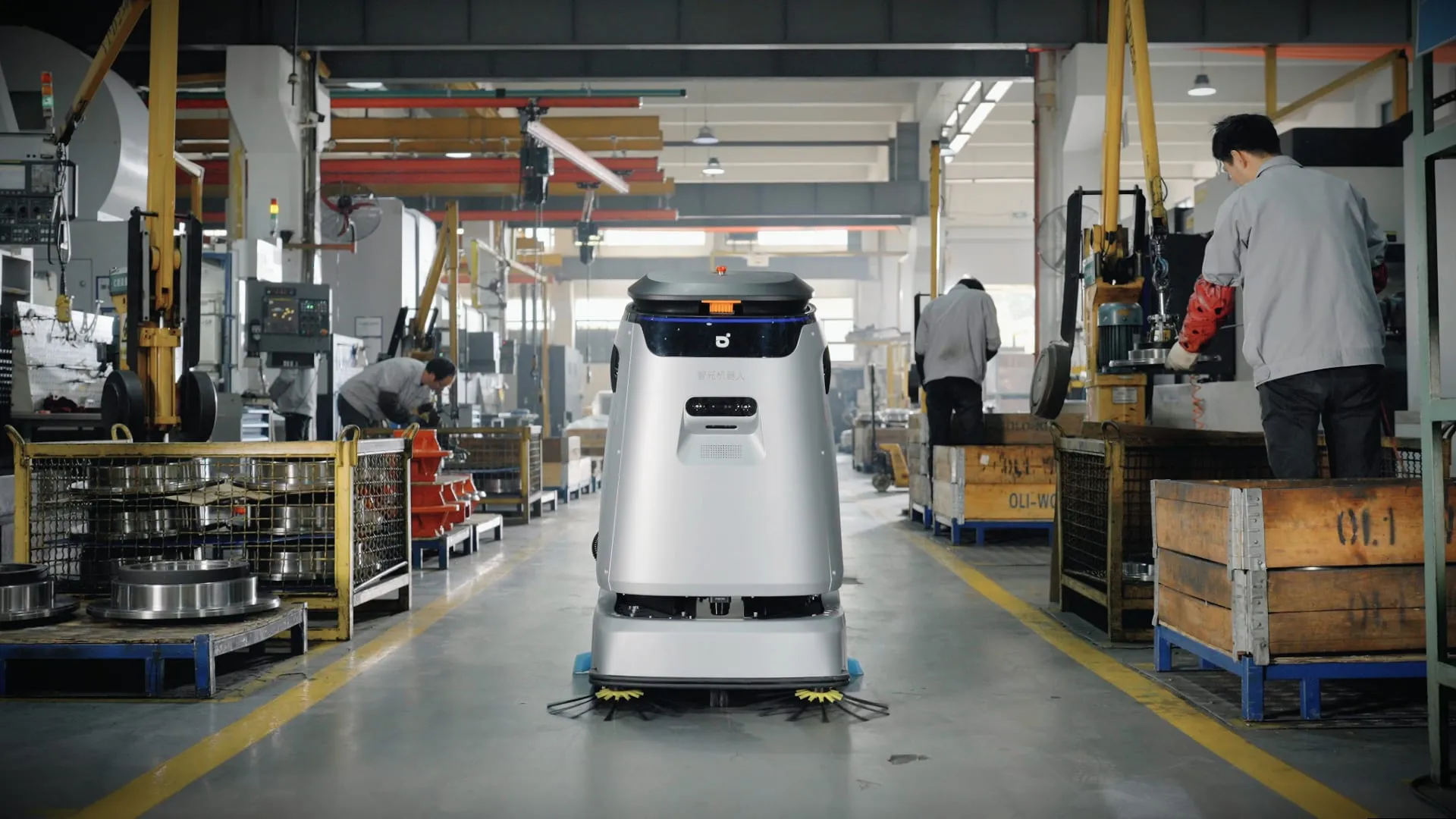
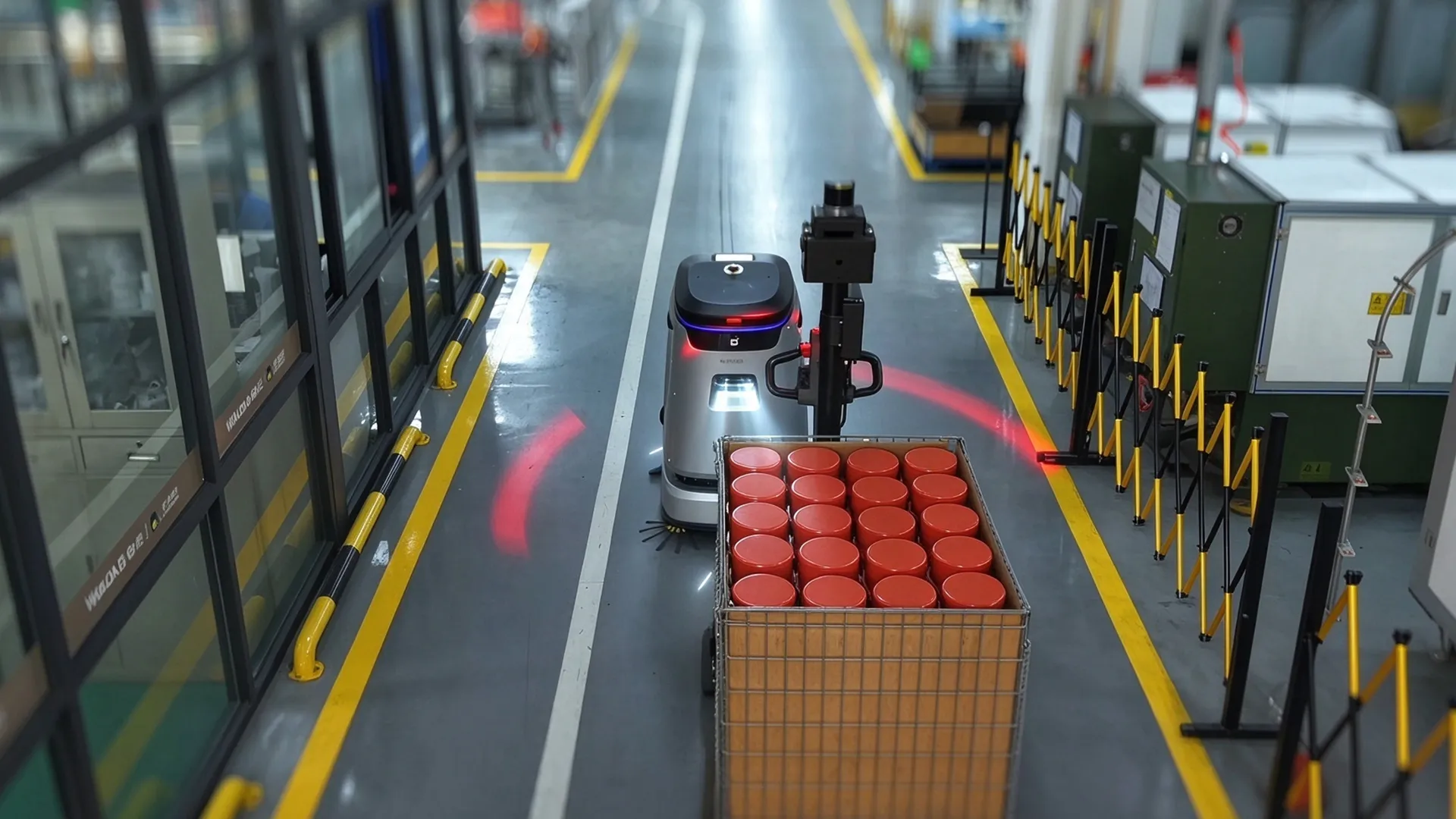
Oil, dust, footfall and the hours you can clean decide the plan before a model does.
Heavy oil contamination on industrial floors creates high slip hazards, and harsh environments put workers at health risk.
In oil-heavy environments surfaces often revert to a soiled state shortly after cleaning, and large floor areas make the workload enormous.
Recruiting is difficult, the cleaning workforce is ageing, and in some plants production staff end up cleaning instead of producing.
The machines, the zones they cover and the records that prove what happened.
Three choices that change how the site runs.
C5 combines high water volume with heavy ground pressure, and cleaning agents can be applied to heavily soiled zones.
Laser plus vision-assisted positioning copes with the environmental changes common in industrial settings.
The docking station handles charging and water, while elevator and access-control integration covers multi-floor, multi-zone work. Wastewater-tank self-cleaning removes half the routine maintenance.
Zone by zone, in the order the site actually runs them.
The same work, before and after, on the metrics that matter to this site.
| Metric | Manual cleaning | With BRAWN robots |
|---|---|---|
| Cleaning frequency | 4 passes/day in oil-heavy zones | Up to 15 passes/day in key zones |
| Manual cleaning load (3,000 m²) | Repeated manual passes per day | Continuous coverage with fewer manual passes |
| Process control | Cleaning cannot be monitored | Tasks and results are traceable |
| Health and safety | Oil and dust exposure for staff | Robots take the high-risk zones |
Comparison figures are typical-scenario estimates from the solution handbook, not client measurements.
From the first survey to a running fleet: the same four steps on every project.
A walk-through of areas, surfaces, obstacles, lift and access-control conditions, plus the plumbing available for a docking station.
Model mix, zone plan, cleaning frequency and consumable estimate. A labour comparison is included only when the customer supplies a reliable baseline; the current answer set has no verified before-and-after labour case.
Staging plan, charging and docking positions, network and lift integration scope, and a training schedule for the operating team.
The cloud platform reports equipment status and faults, and self-check covers sensors, motors and the main controller. Partners receive remote technical support for genuine product faults; site-network, water or drainage problems remain site responsibilities.
The next scenarios in the line.