
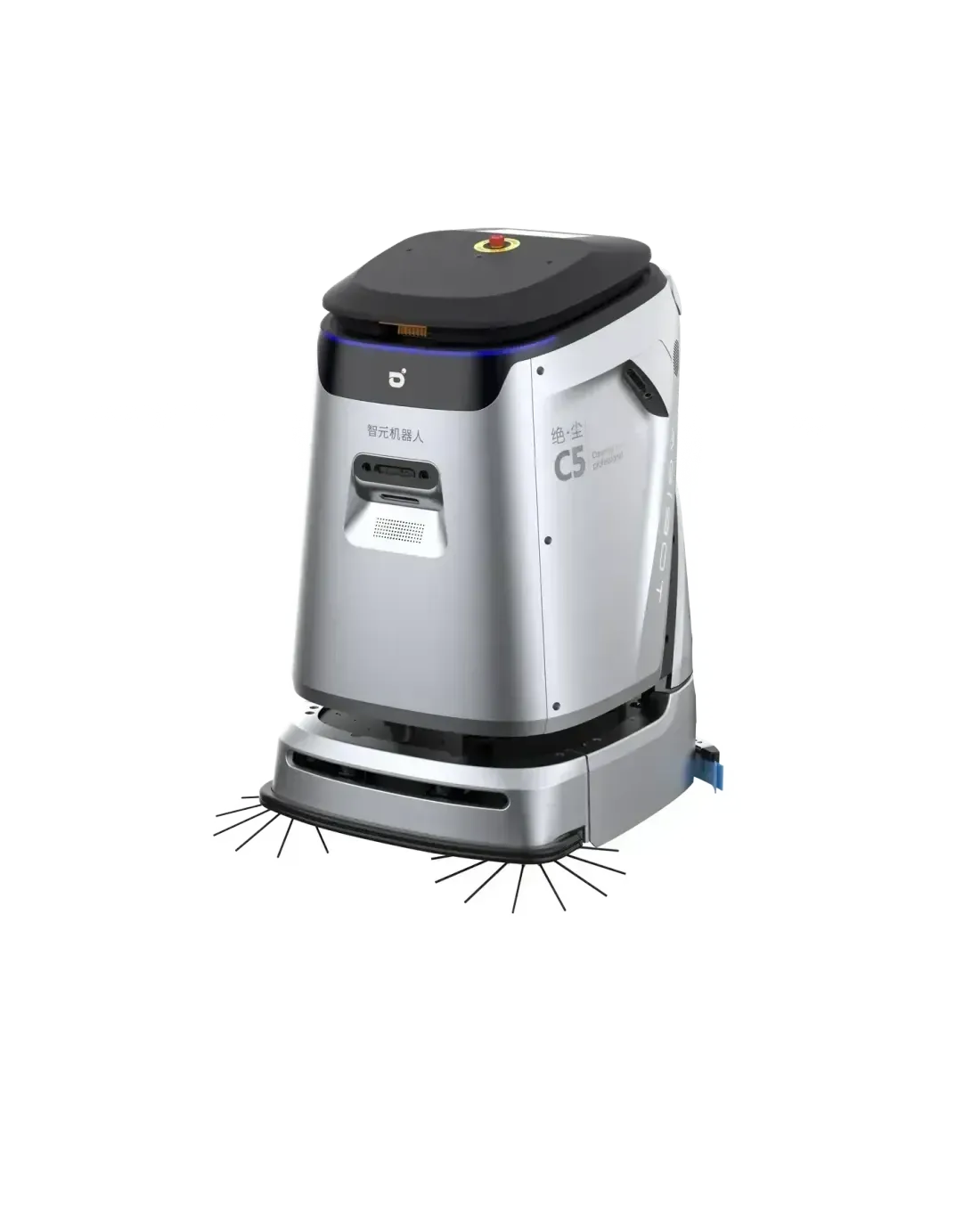
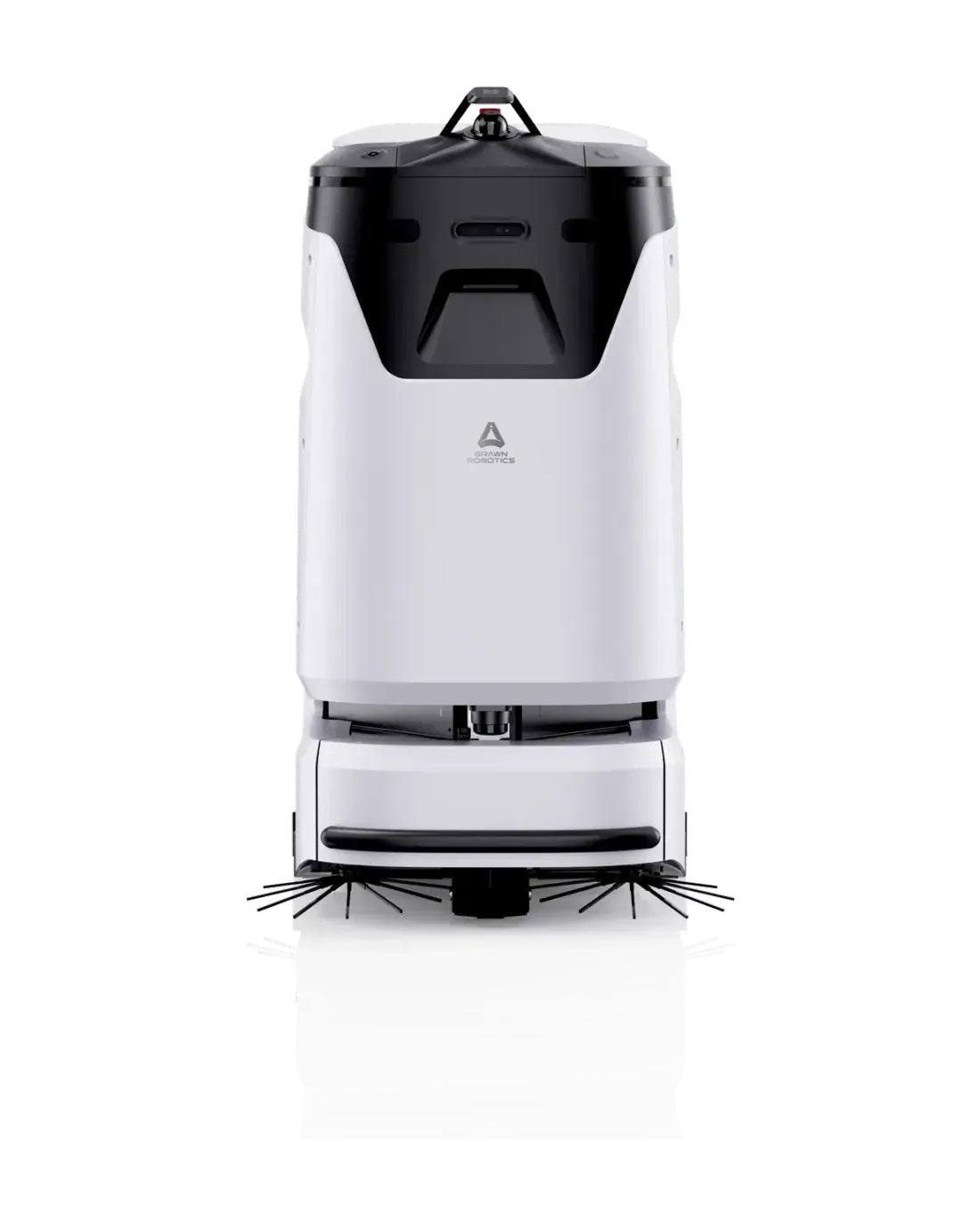
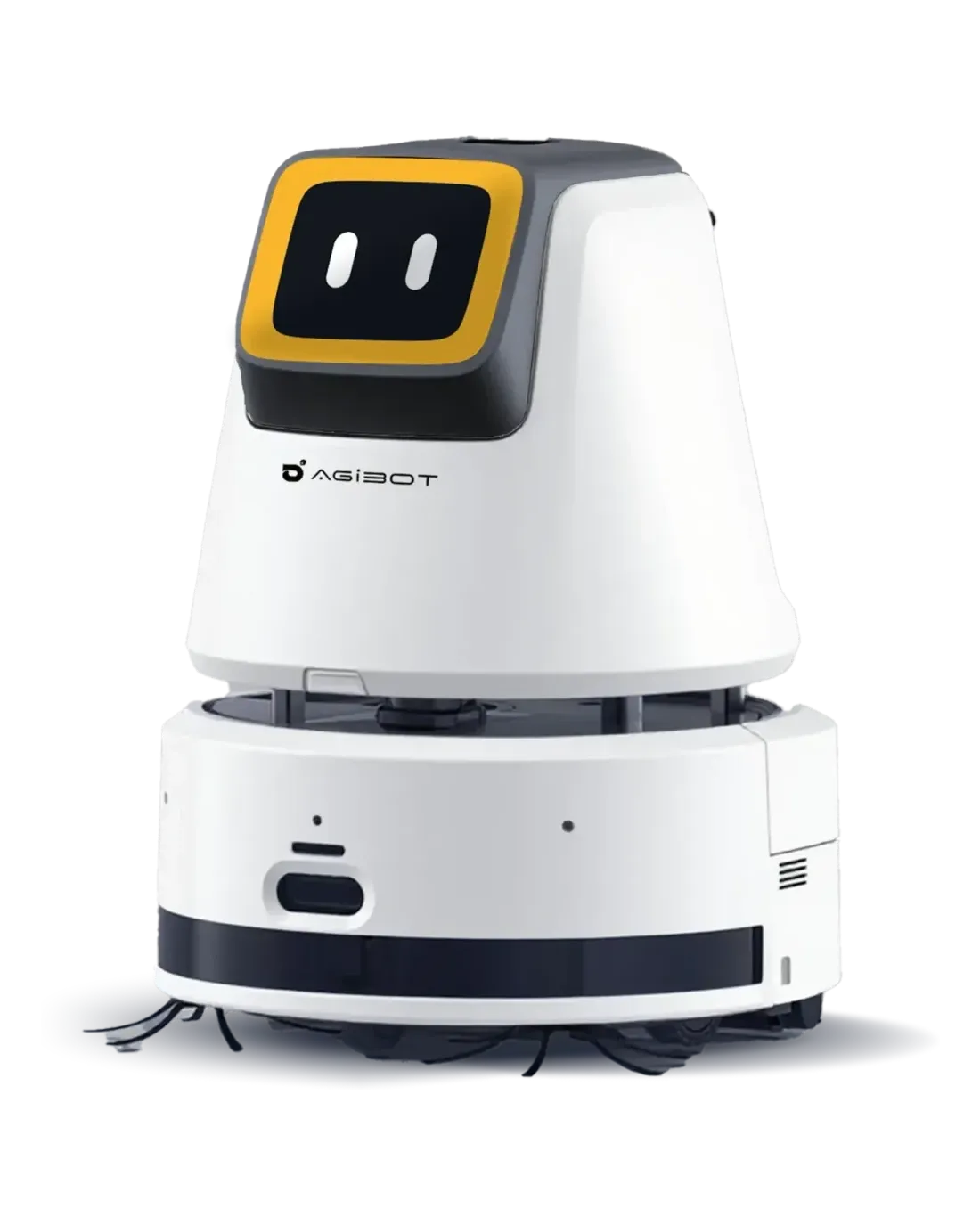
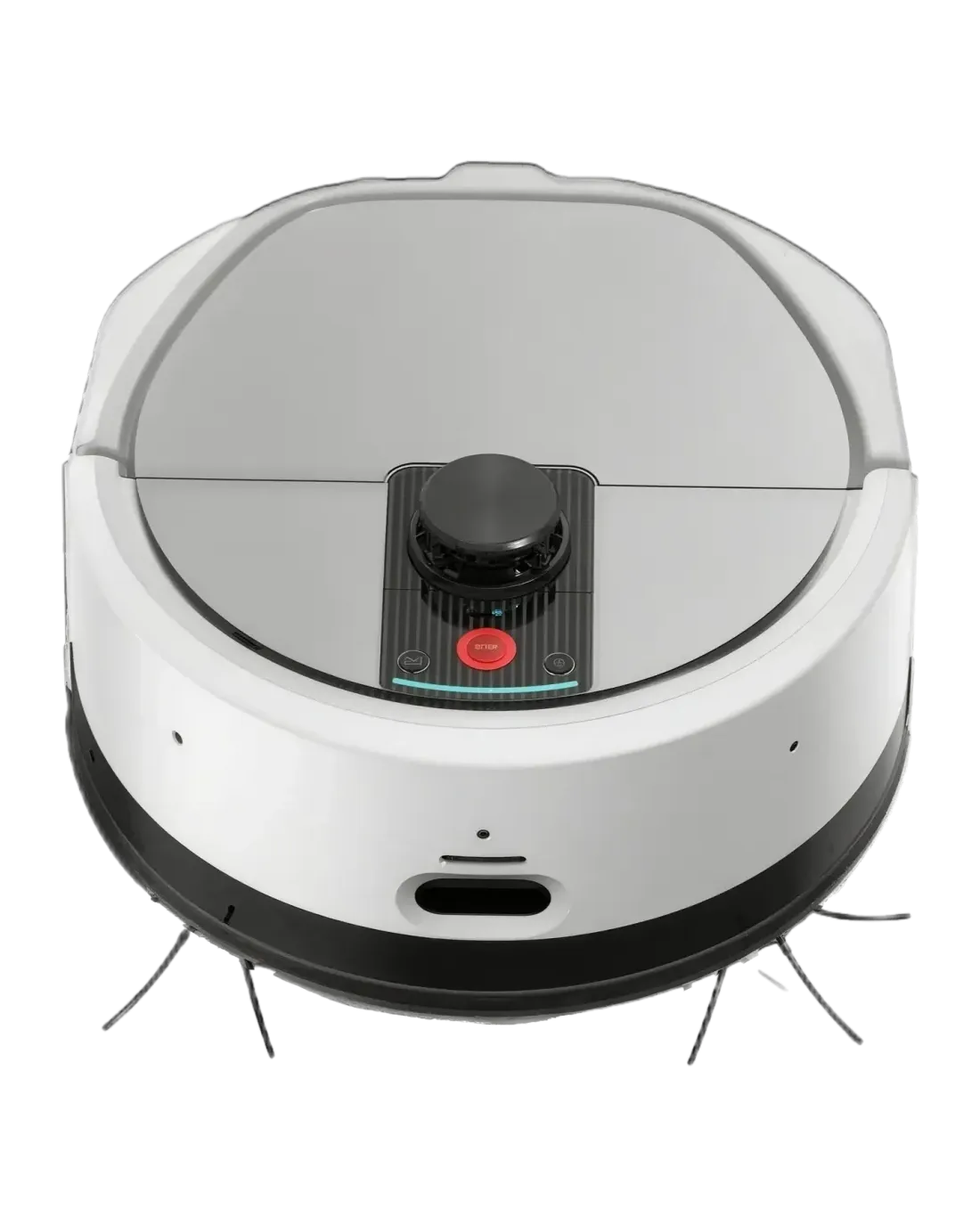
Drier floors, less rework: the C5 dual-chamber squeegee

A floor is not clean while it is still wet. Water that stays in the grout lines turns a finished pass into a repeat visit — and a wet corridor into a liability.
Where the water stays behind
A single squeegee blade lifts most of the water, but tile joints and micro-texture hold a film that the blade passes over. On a busy floor that film means the area cannot reopen straight away; on the wrong floor, it means someone can slip. Crews either wait, or go over the same strip again.

Two chambers instead of one
The dual-chamber squeegee design adds a secondary wastewater treatment module: water is collected and purified as the machine moves, so far less stays behind the pass. It is the kind of change that does not show up first on a datasheet — it shows up at the end of the shift, on the areas people walk on.
What it changes for a facility team
Less rework: cleaning windows end when planned, not when the floor dries. Fewer slip-risk minutes on polished tile and marble at entrances. And for contractors, a result that is easier to explain to a client: floors that look finished because they are dry.
The same design shows up in the site notes for hospitals and transport hubs, where a wet floor is an operational problem and not only a visual one. If drying time is part of your cleaning dispute, that is the conversation to have with our team.